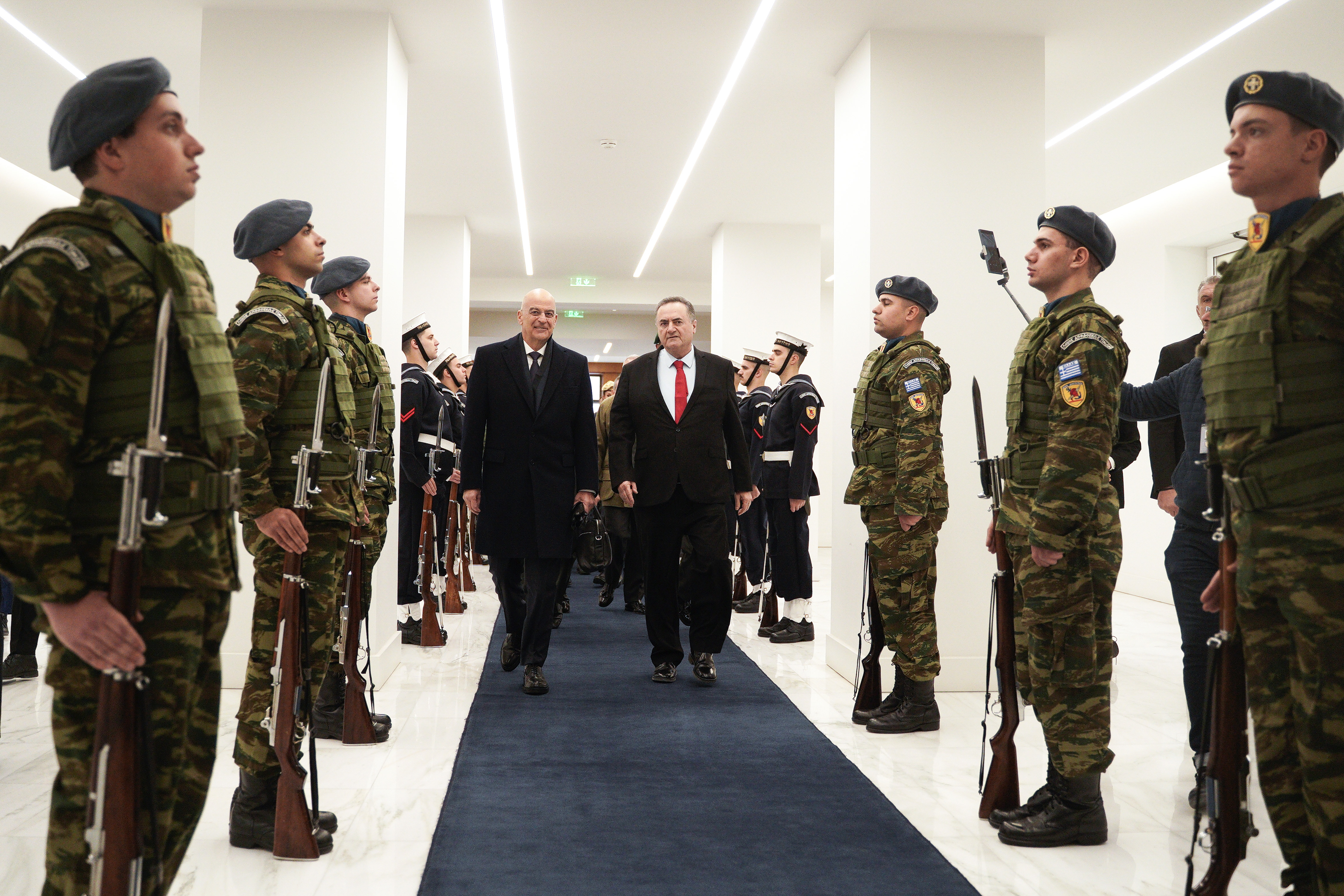
Greece and Israel agreed Tuesday to step up cooperation on counter-drone technology and cybersecurity, underscoring the deepening strategic relationship between the two countries as Israeli Defense Minister Israel Katz began a four-day official visit to Greece.
Greek Defense Minister Nikos Dendias said the talks focused on new forms of warfare and emerging security threats, including swarms of unmanned aerial vehicles and unmanned underwater systems. “We agreed to exchange views and know-how to be able to deal with drones and in particular swarms of unmanned vehicles and groups of unmanned subsea vehicles,” Dendias said in joint statements with Katz. “We will also work together in order to be ready to intercept cyber threats,” he added.
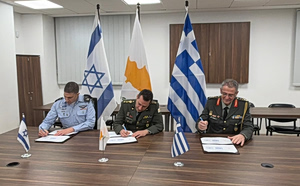
The meeting took place at the Greek Ministry of National Defense in Athens and was followed by expanded talks between senior Greek and Israeli military and diplomatic officials. According to the Greek side, the discussions built on already close defense ties and explored ways to further deepen cooperation across operations, training, research and defense technology.
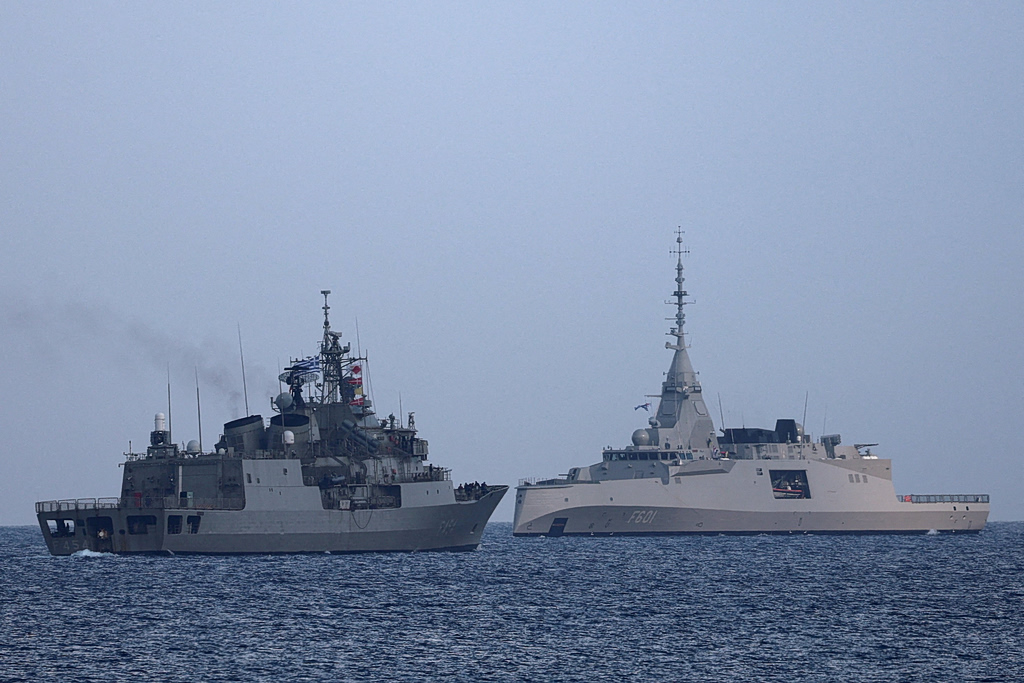
Greece and Israel maintain strong diplomatic and economic links and have intensified military cooperation in recent years. The two countries jointly operate an air training center in Greece and regularly hold bilateral military exercises. Greece last year approved the purchase of 36 Israeli-made PULS rocket artillery systems for about 650 million euros and has been in talks with Israel on developing a multi-layer air, missile and drone defense system estimated to cost around 3 billion euros, Reuters reported.

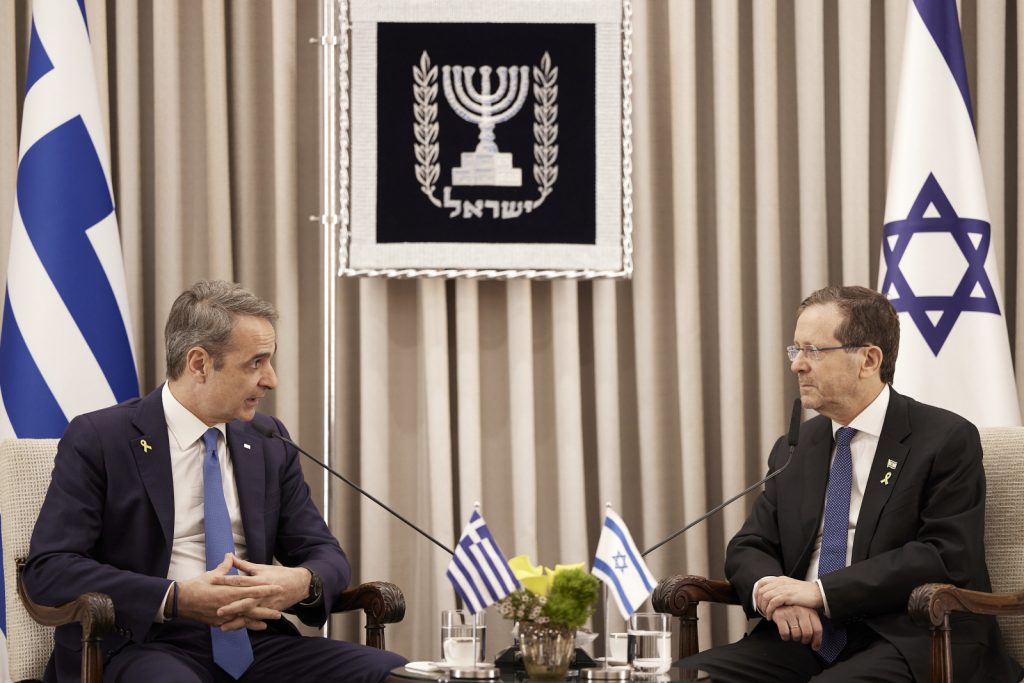
The Greek Minister of National Defense, Nikos Dendias meets his Israeli counterpart Israel Katz, at the Ministry of National Defense in Athens, Greece on January 20, 2026. ( Nick Paleologos / SOOC)
Speaking after the meeting, Katz said both countries were determined to prevent destabilizing actors from gaining a foothold in the region. “We are equally determined regarding another critical issue: not to allow actors who seek to undermine regional stability to gain a foothold through terror, aggression or military proxies in Syria, in Gaza, in the Aegean Sea,” he said, according to Reuters.
Neither minister named specific countries or groups as potential sources of drone or cyber threats. However, Greece and Israel both view Turkey as a significant regional security concern, Reuters noted.
Dendias also highlighted broader pillars of cooperation, including joint research and innovation, and pointed to Greece’s recently established Hellenic Center for Defense Innovation, modeled in part on Israel’s defense technology ecosystem. He said Greece aims to move beyond being only a buyer of defense systems to becoming a co-producer of innovative, dual-use technologies.
The two sides also discussed regional developments in the Eastern Mediterranean and the Middle East, including Syria and Lebanon. Dendias said Greece supports strengthening the Lebanese armed forces and emphasized the protection of Christian communities in Syria and Lebanon as a top priority.
Dendias also reiterated Greece’s support for President Donald Trump’s initiative on Gaza and said Athens was ready to contribute to efforts to promote peace and stability in the region. Notably, however, there was no direct discussion of the humanitarian or military situation on the ground in Gaza, beyond general statements of support for the plan.