 Μake us preferred on Google
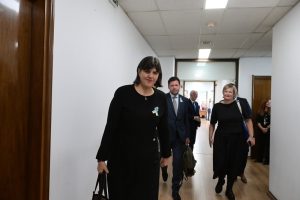
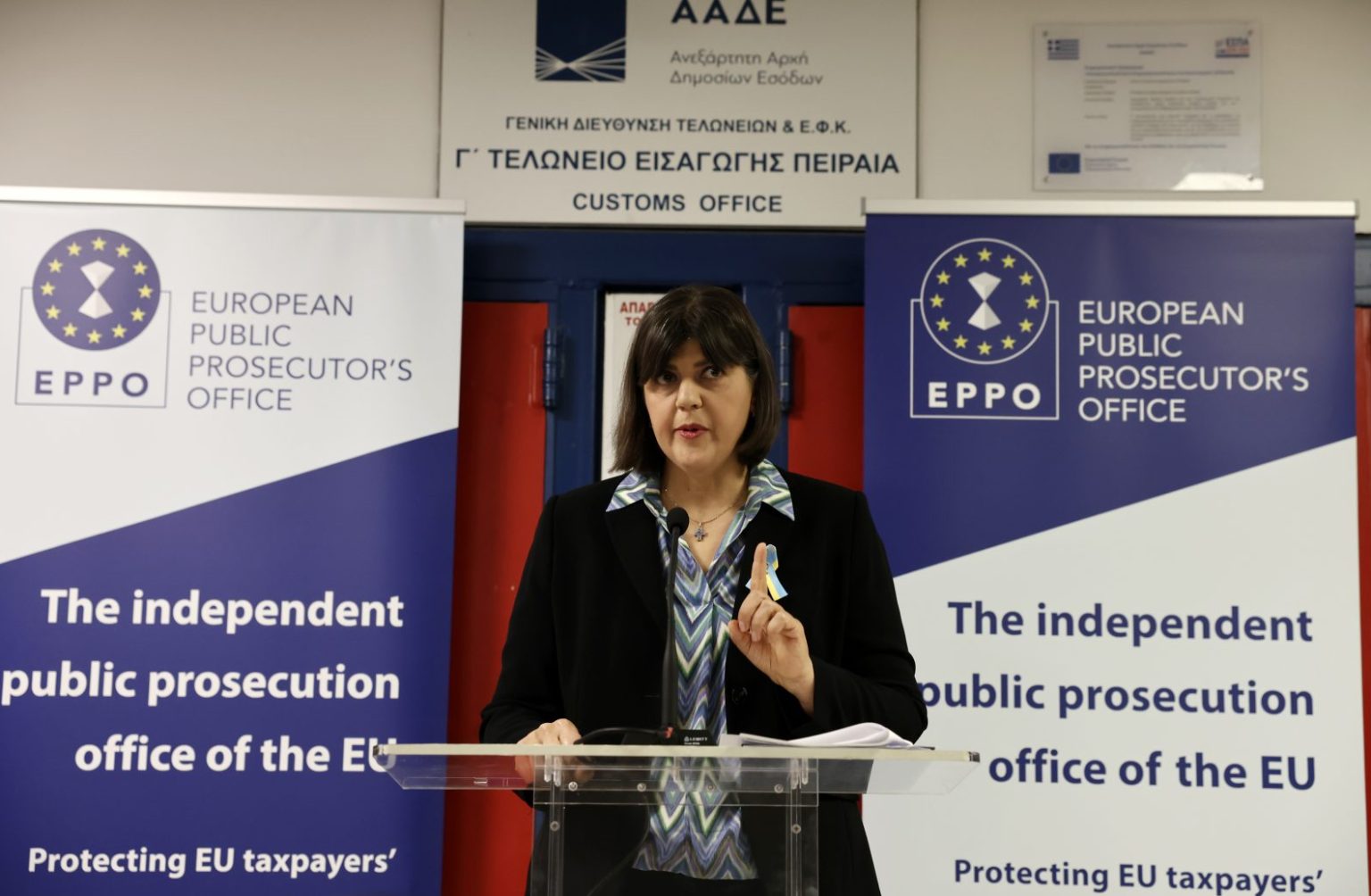
 Speaking at a press conference in Athens, European Chief Prosecutor Laura Kövesi warned that Article 86 of the Greek Constitution, which governs ministerial accountability, is preventing corruption investigations from moving forward.
She cited two high-profile cases — the Tempi train disaster and the agricultural subsidies scandal — as examples where her office’s work was obstructed. “The only solution is to change it,” Kövesi said, adding that recent talks with the government convinced her there is political will for reform.
Corruption with a human cost
Kövesi made clear that corruption is not just a financial crime but also a danger to public safety. Referring to the 2023 train crash at Tempi, she said:
“Corruption can kill. Tempi is one of those examples.”
She rejected suggestions that corruption is uniquely Greek: “There is corruption everywhere. The question is how we confront it, not whether we hide it under the carpet.”
Warning against interference
The prosecutor spoke in uncompromising terms about the independence of the European Public Prosecutor’s Office (EPPO). “Independence is a red line — no one will cross it,” she declared, warning against any attempt to influence EPPO investigations.
She also dismissed criticism that her office acts with political bias: “Anyone who says EPPO is not independent is spreading fake news.” All cases in Greece, she stressed, are overseen by the EPPO’s headquarters in Luxembourg and assigned randomly.
Fraud investigations across Europe
Kövesi highlighted the scale of ongoing investigations into VAT fraud, fake invoices, and customs violations. She pointed to the operation “Calypso”, which involves more than 5,000 customs declarations and prosecutors from 14 EU countries, calling it “the first step in a long marathon.”
She also said organized crime groups are exploiting Europe’s ports to traffic goods and drugs: “Cocaine does not fall from the sky — it enters through ports. We need urgent, coordinated action not just in Piraeus, but across all European ports.”
Agricultural subsidies and OPEKEPE
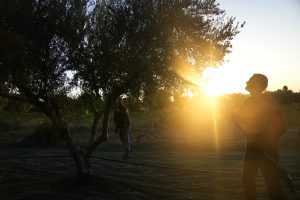
On the agricultural subsidies case, Kövesi noted that fraud in agricultural funding is not unique to Greece but a Europe-wide challenge. She revealed she had received a letter from a Greek farmer claiming honest applicants were excluded from EU funds because others resorted to bribery. “Let’s talk about this: how honest farmers had no access,” she urged.
Relations with Greek authorities
During her Athens visit, Kövesi met with several ministers, describing the meetings as “constructive.” She said her talks with Finance Minister Kyriakos Pierrakakis left her “impressed,” noting he understood the EPPO’s role quickly. She also praised Justice Minister Giorgos Floridis, saying recent meetings had “gone better,” and called her first encounter with Citizen Protection Minister Michalis Chrysochoidis “excellent.”
She stressed, however, that EPPO’s cooperation with national authorities is a matter of duty, not personal rapport: “It is our job. We are here to stay.”
Future of the EPPO in Greece
Kövesi announced plans to strengthen the EPPO office in Athens, though she admitted more resources are needed. She emphasized that the office’s presence is permanent: “We are here to stay.”
She also underlined the importance of not turning judicial proceedings into public spectacle, criticizing the exposure of witnesses in the media. “If you want to find the truth, don’t put witnesses on TV,” she said.