When Ursula von der Leyen, the president of the European Commission, held up a small metallic object at the G7 summit in Canada earlier this year, it was no ordinary prop.
The rare earth magnet, a critical component in electric vehicles and renewable energy, was offered as a symbol of Europe’s industrial ambitions in an era of strategic competition.
That magnet was given to President von der Leyen by the Canadian company Neo, through which Greek executive Vasileios Tsianos has quietly become one of the most influential figures in the global race for control over these powerful minerals.
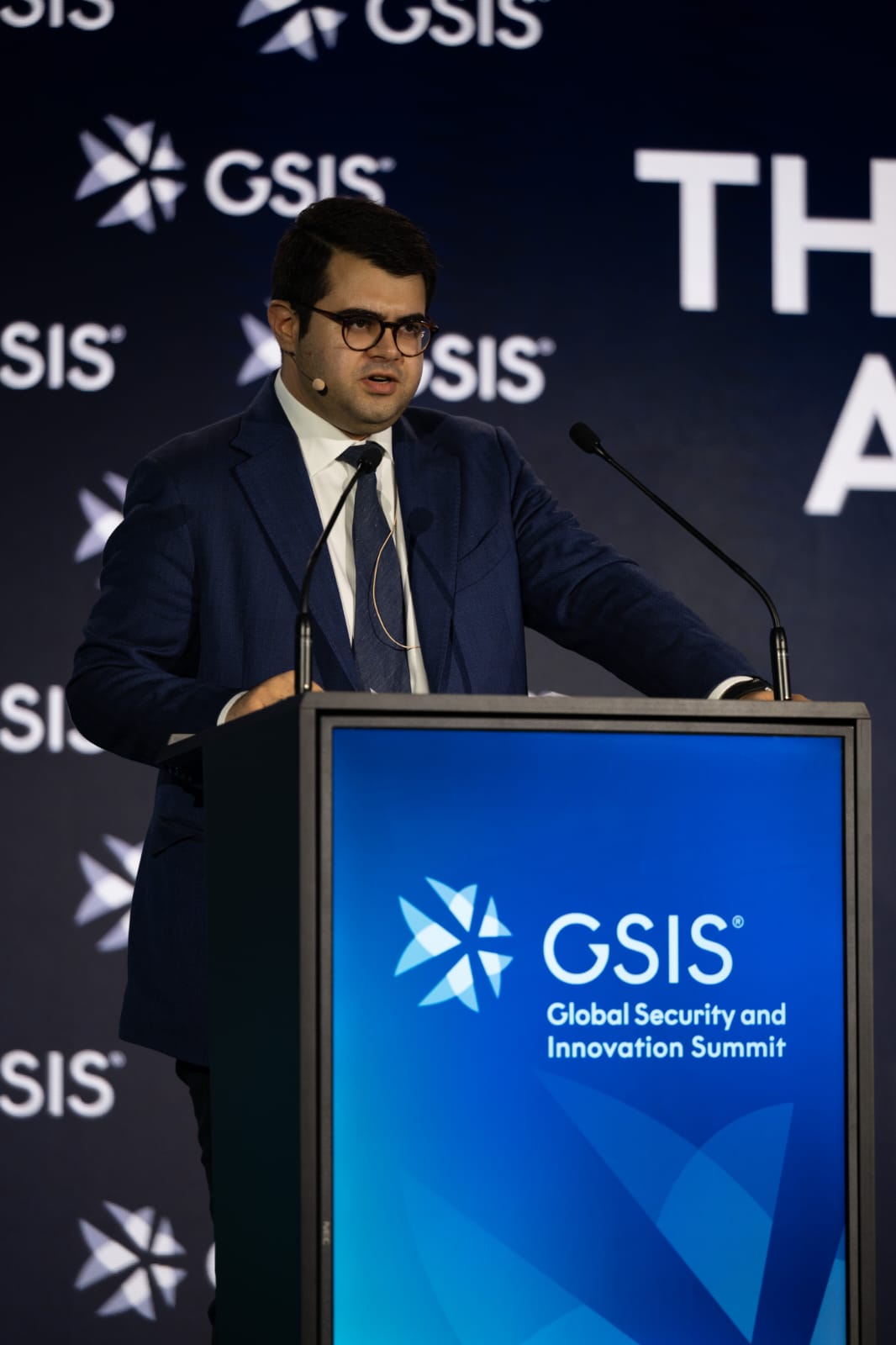
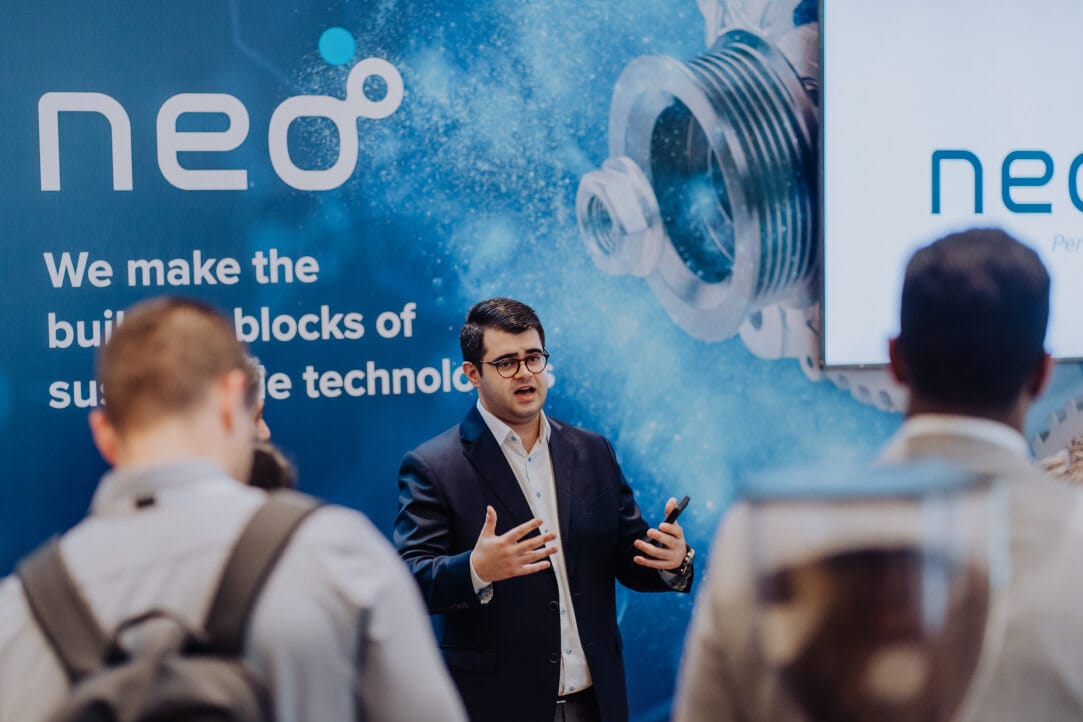
Tsianos was elected Chairman of the Brussels-based Global Rare Earth Industry Association and Vice President of Neo Performance Materials, a Canadian mining and magnet manufacturing company whose operations now stretch from North America to Asia and the European Union.
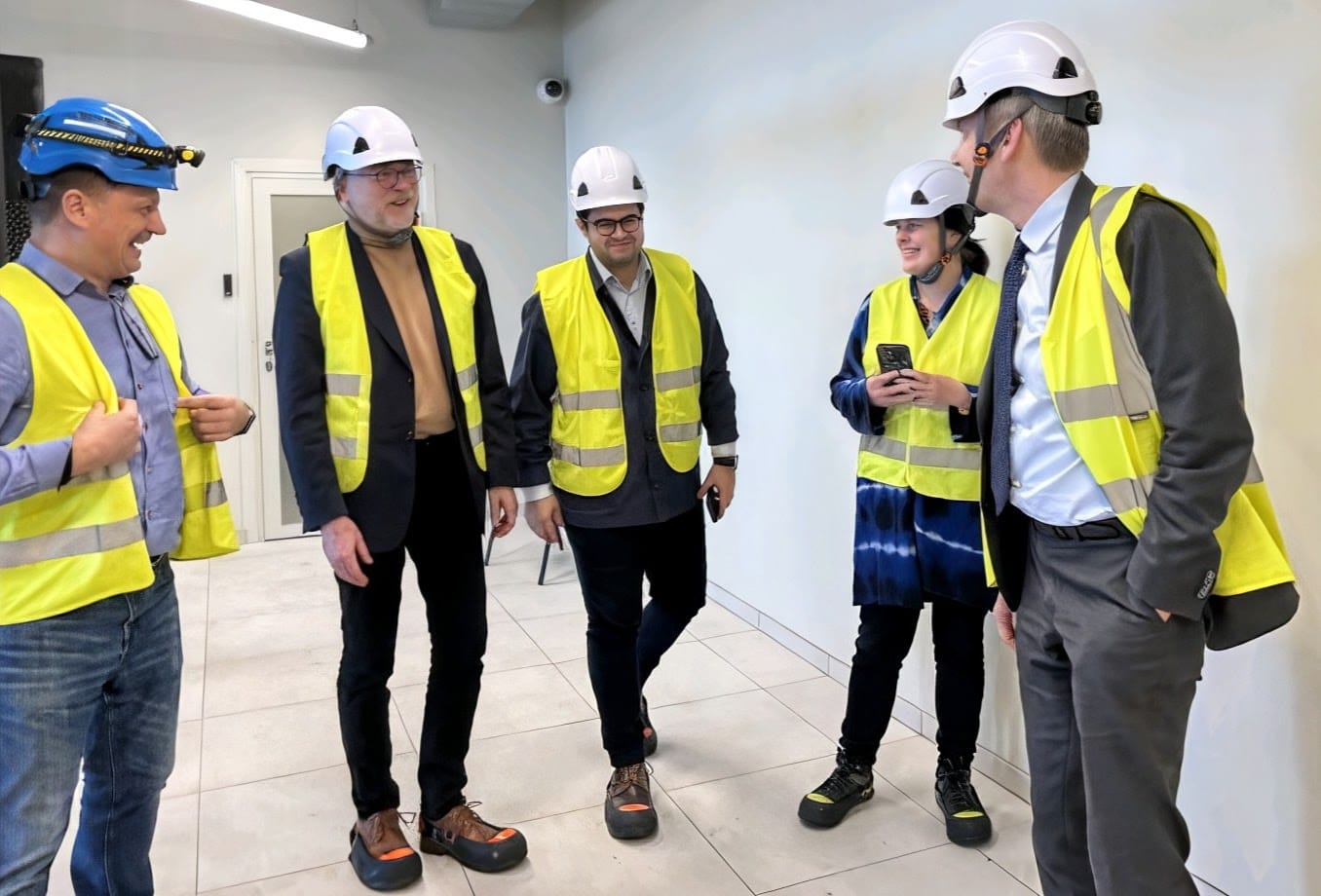
The company built an emblematic rare earths magnet plant in the EU, located in Estonia, a move some in Brussels see as the beginning of Europe’s long-overdue industrial awakening.
In a period marked by war in Ukraine, global trade tensions, and rising pressure on energy systems, rare earths have become a central flashpoint. These 17 metallic elements, with names like neodymium, samarium and dysprosium, are essential to producing permanent magnets that power everything from electric vehicle motors and offshore wind turbines to drone systems and the turboengines of F-35 fighter jets.
Add them to an electric motor, Tsianos explains, and they boost its energy efficiency by nearly a third. “They are the lynchpin to our world’s transition to Net Zero and digital technologies” he said. “They are energy-saving magnets, and they unlock the technoeconomic cases for critical applications of the future.”
This reality has sharpened the stakes for Europe. For decades, the continent relied almost entirely on importing magnets from China, leaving major manufacturers, especially Europe’s automakers, vulnerable to geopolitical contest and supply chain disruption.
More than 80 percent of the global demand for such magnets comes from the automotive sector itself. “A magnet shortage doesn’t just limit vehicle production,” Tsianos said. “It shuts it down. Tens of thousands of jobs could be at risk.”
While the United States and Japan have been pouring public and private resources into securing new supply chains, China has tightened export controls, limiting the flow of key minerals. Europe, Tsianos believes, is playing catch-up, and has little time left.
“For Europe, these are days when decades happen,” he said during a call from Salvador, Brazil, where he was meeting with mining investors before flying to Malaysia. “Until recently, Europe’s policy response was focused only on regulation. Now there are developments that indicate bolder visions like stockpiling. Supply chain resilience has now a political emergency.”
A few years ago, in Brussels, rare earths were still a niche topic. Today they are discussed in the same breath as semiconductors and LNG imports. “What was once seen as simply a risk, today is viewed as an existential crisis,” he said.
He recognizes the merits of a stockpiling mechanism akin to the consortium that secured Covid vaccines for the bloc in 2020, and for a rapid mobilization of the European Investment Bank to support mining developments beyond the EU’s borders.
Tsianos says he has confidence in the European Union and the G7, who are “finally grasping the magnitude” of the issue. But he insists that Europe must move beyond studies and declarations of intent. “There is no energy transition without magnets. There is no electric car industry without them,” he said. “Industrial policy cannot just be a slogan.”
Despite the urgency, Tsianos sees space for smaller countries, including his own. In Greece, he notes, the opportunity for industry is not in mineral deposits but in talent and R&D. “Some of the best rare earth researchers and industrial scientists graduated from engineering schools of Greece. Many of the leading motor designers in Silicon Valley and Europe are Greek.”
That scientific diaspora, he believes, could be the backbone of a research-driven value chain advancement, similar to Tesla’s electric motor R&D facility already operating outside Athens.
He also points to another rare metal: gallium, a byproduct of bauxite mining.
Greece, with its longstanding aluminum sector, could become one of the first producers of primary gallium outside China thanks to the planned investment by METLEN, one of the country’s largest energy and metallurgy companies.
He said this development “opens a new diplomatic avenue and global supply chain participation for Greece,” positioning the country alongside partners like Canada, which can process the material, and major manufacturing hubs such as the United States, Germany, and Japan, which depend on it to produce semiconductors.
Neighboring Turkey recently announced the discovery of substantial rare earths reserves and says it will process them domestically. But Tsianos offers a reality check.
“In the last 20 years, more than 200 major rare earth deposits have been announced outside China,” he said. “In all that time, only one new commercial mine has come into sustained production. Rare earth minerals are not rare. Bringing online competitive mines and processing plants is rare.”
Whether Europe can turn its early moves into a true industrial revival is still uncertain. Yet Tsianos is unequivocal about the stakes. “The countries that work together to master this industry will be the beneficiaries in the energy transition of the century,” he said.