Greece is entering a period of mounting hydrological stress, with Attica and two island municipalities at the center of escalating concerns over water scarcity.
The Water Plenary of the Regulatory Authority for Waste, Energy and Water (RAAEY) convenes to consider declaring Attica, Patmos and Leros under “red alert,” on Thursday, Nov. 27. Approval for the two islands has already been granted, triggering a special emergency management regime within 24 hours.
For the capital region, the decision is viewed as effectively settled and is expected to be finalized Friday, following a review of a National Technical University of Athens study. Petros Varelidis, secretary-general for natural environment and water resources at the Ministry of Environment and Energy, confirmed that Patmos and Leros have formally been placed under emergency status.
This designation allows local authorities to immediately unlock Public Investment Program funds for desalination projects and other critical measures to bolster dwindling water reserves. Regarding Attica, Varelidis stressed that—even if an emergency is declared—there will be no impact on consumers: no usage restrictions, no price hikes. The focus, he said, is simply to accelerate long-planned infrastructure works.
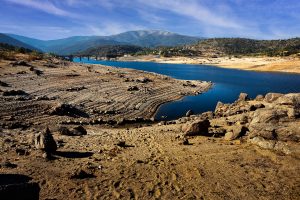
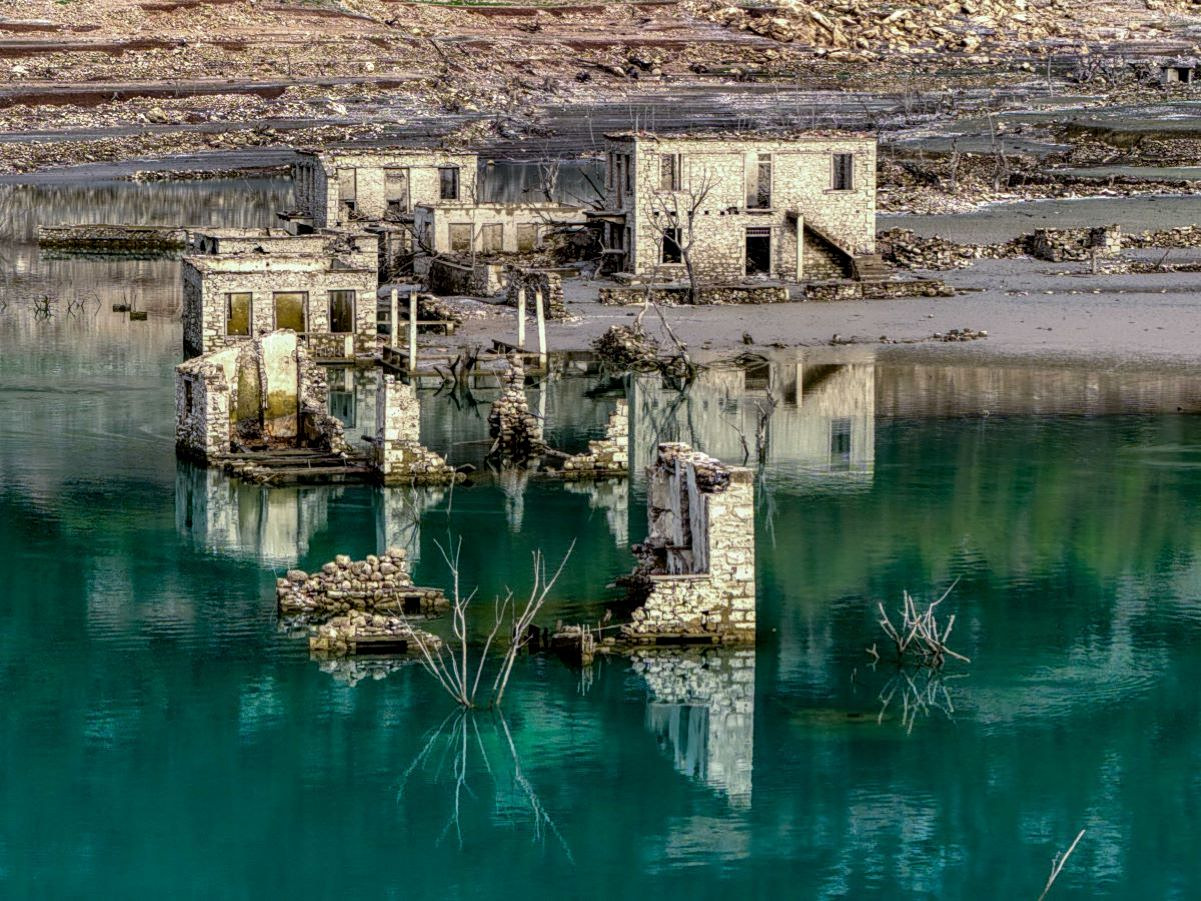
Latest data from the Athens Water Supply and Sewerage Company (EYDAP) paint a stark picture: total reserves in the four main reservoirs—Evinos, Mornos, Yliki and Marathon—have fallen to 363.3 million cubic meters, down from 571 million in 2024, a 37% drop.
What About Water Bills?
The next question concerns tariffs. EYDAP, which posted 5.5 million euros in losses in the last half-year, is again pushing for price adjustments—an effort that has stalled for two years despite Greece maintaining some of Europe’s lowest water rates.
The final decision lies with RAAEY, not the government. The regulator is reviewing EYDAP’s data to determine the “allowed revenue,” assessing investment plans, infrastructure needs and operating costs. Any increases are expected to be gradual to avoid undue pressure on households. Final decisions are anticipated by year-end.
Current scenarios point to a possible rise of 2–3 euros per month, translating to 6–9 euros on a quarterly bill.