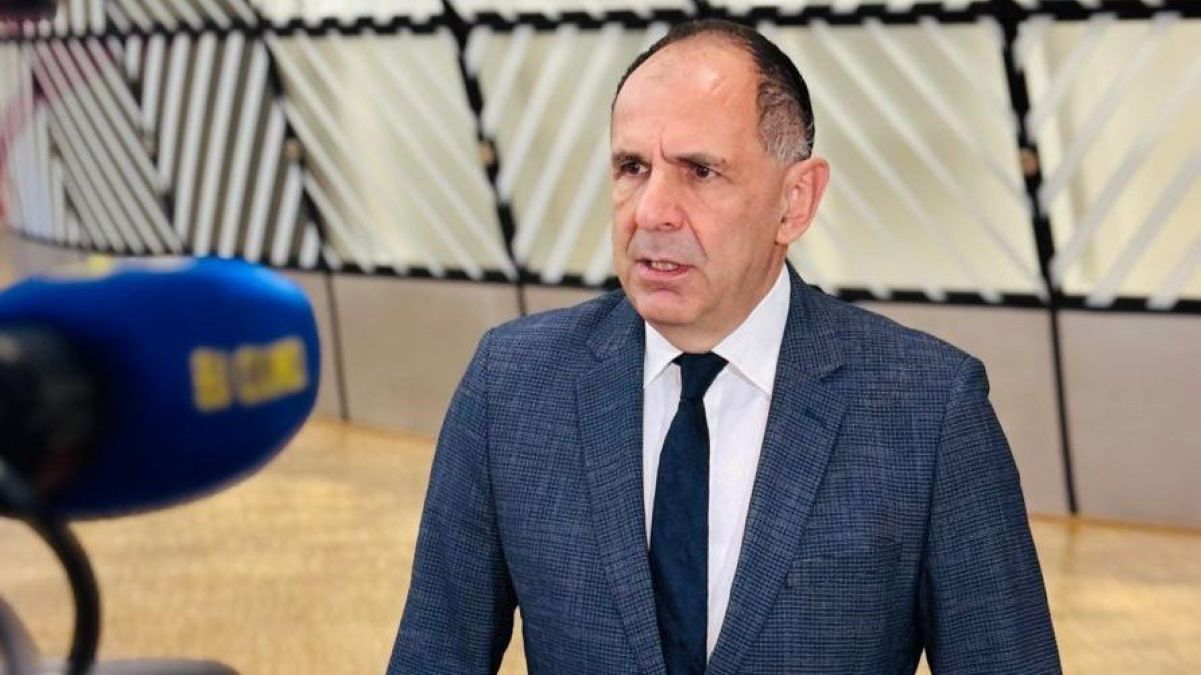
Greek Foreign Minister Giorgos Gerapetritis, arriving in Brussels on Thursday, 20 Nov., for the EU Foreign Affairs Council, outlined the key issues dominating the meeting’s agenda.
“The Council will focus today on three open wounds in the international security architecture—Gaza, Ukraine, and Sub-Saharan Africa, particularly the Sahel region and Sudan,” he said.
On Ukraine
Gerapetritis welcomed the latest proposal for a ceasefire in Ukraine, stressing that Greece and the European Union have consistently supported any initiative aimed at halting hostilities and opening a window for peace.
“Any plan must, of course, be acceptable to Ukraine,” he noted. “It is crucial that we defend territorial integrity and oppose any form of revisionism.”
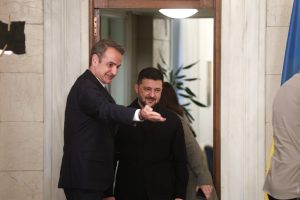
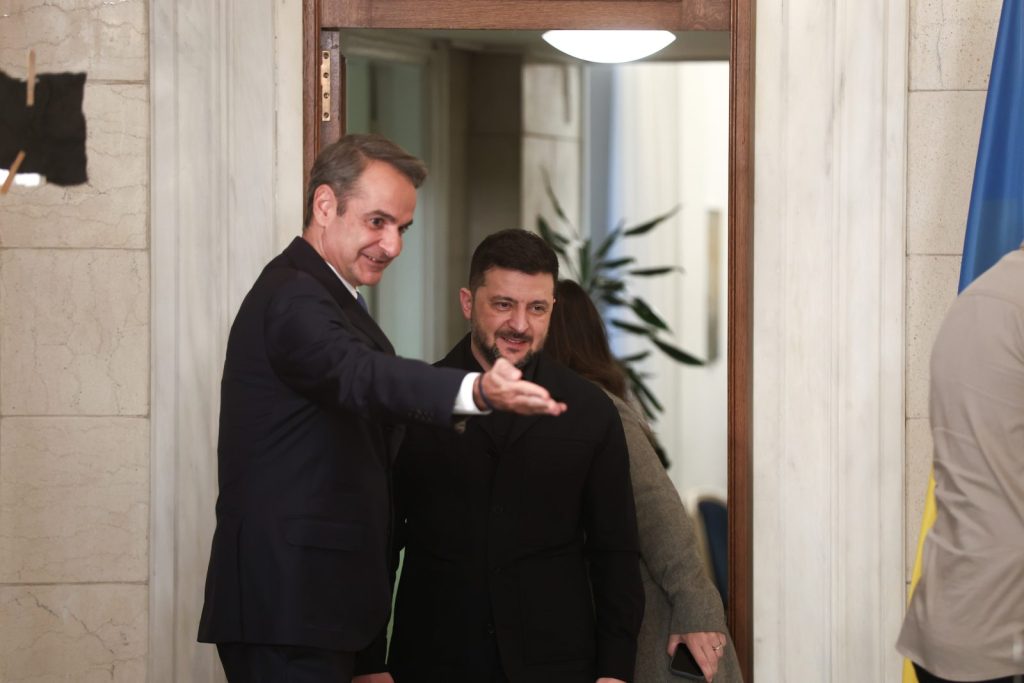
He highlighted Greece’s recent efforts to bolster Ukraine’s energy security through major agreements signed during President Zelensky’s visit to Athens last week.
On Gaza
Turning to developments in the Middle East, the minister underlined Greece’s substantial role in shaping and advancing the recent UN Security Council resolution on Gaza.
“This is an important window of opportunity that must not go unused,” he emphasized. Immediate action is needed, he argued, to secure lasting peace in the region.
Gerapetritis added that reform of the Palestinian Authority will inevitably be part of the discussions. “The Palestinian Authority must have a prominent role after its reform process,” he said.
On Sudan
Addressing the escalating crisis in Sudan, Gerapetritis described the situation as an “unprecedented humanitarian disaster” requiring swift and decisive measures.
“All actions that violate the UN Charter must cease,” he said, adding that he had held extensive talks the previous day with Sudan’s foreign minister.
“The situation is extremely critical. The EU must take an active role to stop the bloodshed, end the humanitarian catastrophe, and prevent population movements that could trigger major migration flows.”
Greece’s Position
Concluding his remarks, Gerapetritis emphasized that Greece remains deeply involved in a highly sensitive geopolitical environment. He underscored the country’s strong diplomatic alliances, its significant capital within international organizations, and its commitment to upholding international law in support of global peace and prosperity.