 Μake us preferred on Google
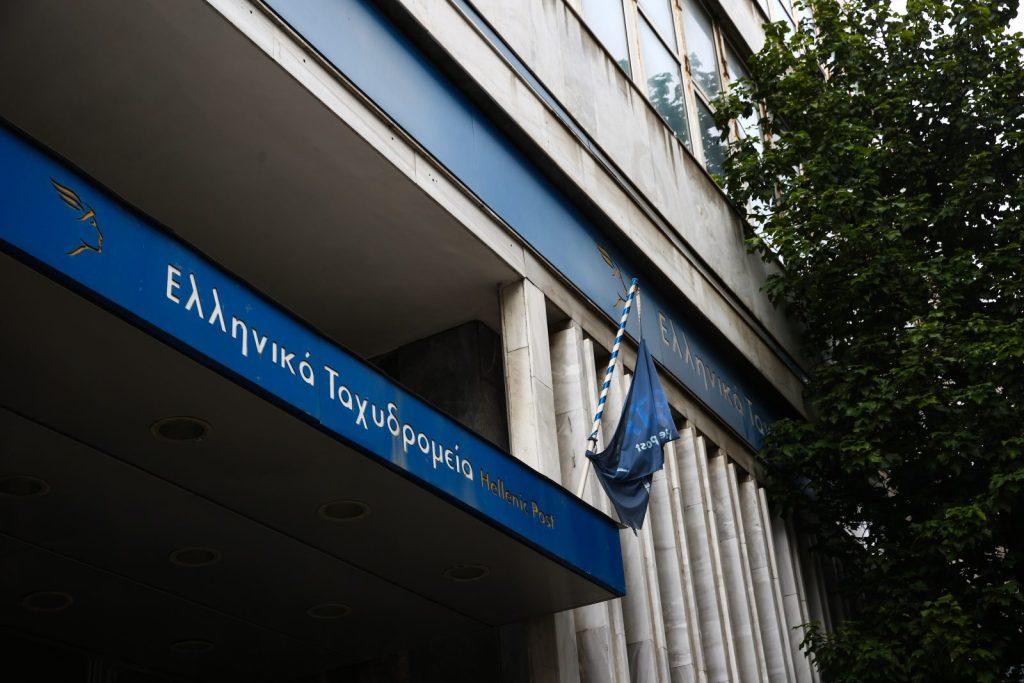
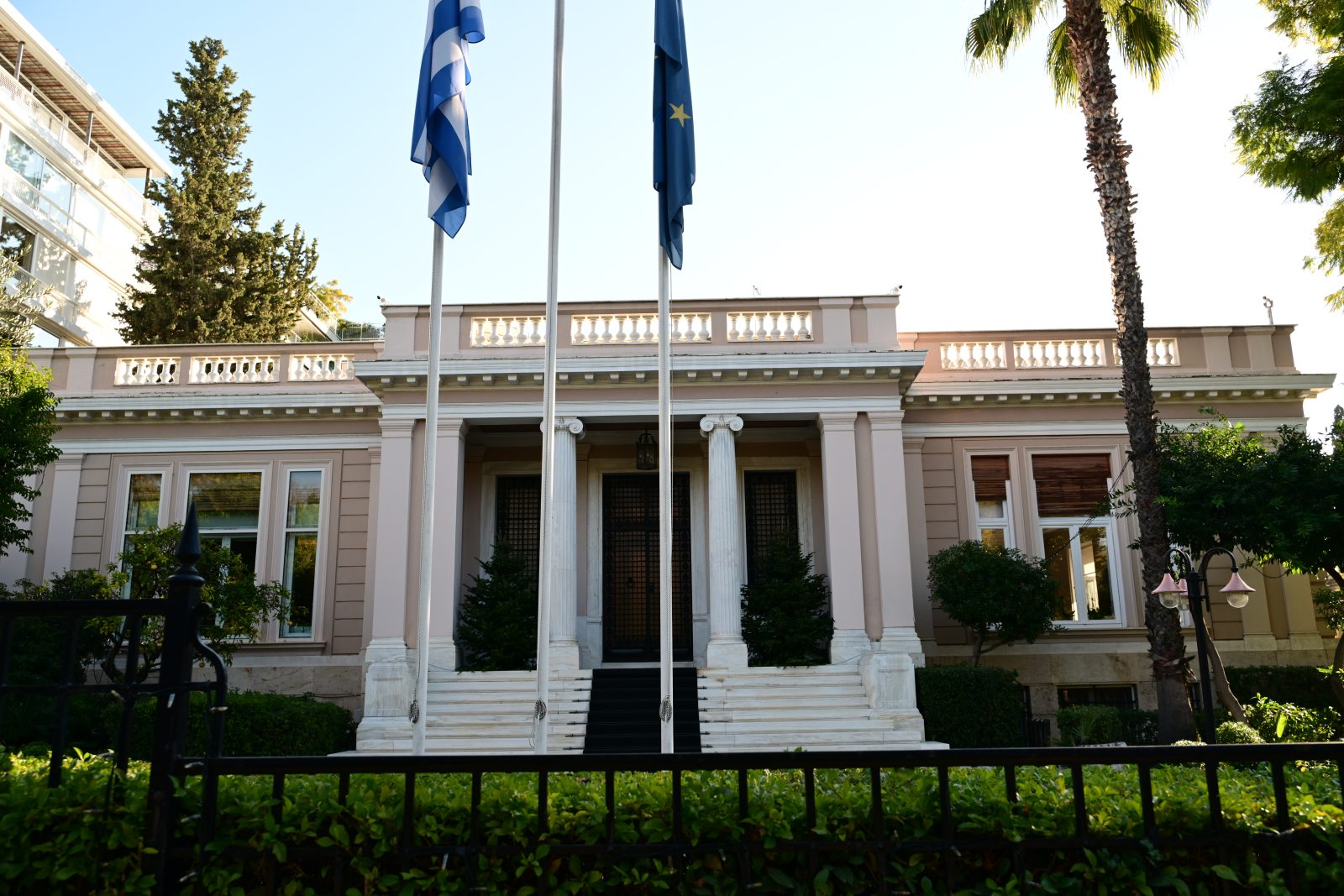
 The Greek government is urgently seeking a pressure valve to release mounting intra-party tension sparked by its decision to shut down branches of the Hellenic Post (ELTA). The Prime Minister’s office at Maximos Mansion is under fire after a wave of outrage from ruling New Democracy (ND) MPs, who accuse officials of blindsiding them with a politically explosive move.
The government’s initial “damage-control” tactic — a three-month suspension of the closures for regional post offices — appears to have failed to calm local communities or convince party members of the necessity of the plan.
Communication Failure or Political Misfire?
Officially, the administration insists that the uproar stems merely from poor communication by ELTA’s management and the Hellenic Corporation of Assets and Participations (known as the “Superfund,” which oversees state assets). But few within ND’s parliamentary ranks are buying that explanation.
During an informal meeting of the party’s parliamentary group on Monday afternoon, MPs directed their anger squarely at ELTA CEO Grigoris Sklikas and Digital Governance Minister Dimitris Papastergiou, demanding clarity on who approved the controversial plan and why it was implemented so abruptly.
The Blame Game at the Top
Adding fuel to the fire, no other senior government officials with relevant oversight attended the online session — a decision that further inflamed tempers. Behind the scenes, senior figures within the government have reportedly been pointing fingers over who bears responsibility for the decision announced on Friday and enforced the following Monday.
Deputy Prime Minister Kostis Hatzidakis suggested a collective government responsibility, telling reporters:
“ELTA faces serious viability problems, as the Finance Minister has stated in Parliament — a view shared by the entire government,” he said.
“It was agreed we should proceed with a restructuring plan. Beyond that, the communication strategy explaining this to the public was clearly inadequate.”
Hatzidakis stressed that what matters now is finding a way forward:
“Those who propose doing nothing are effectively calling for ELTA’s shutdown. We will meet with mayors and local authorities, explain the situation, and make corrective adjustments where feasible.”
ND Lawmakers Boiling Over
According to sources, the atmosphere during Monday’s ND parliamentary meeting was explosive. Several MPs demanded resignations and the withdrawal of the closure plan, furious at being caught off guard by a decision that has provoked fierce backlash from their own constituents — in both rural regions and urban centers.
MPs privately described the parliamentary group as “a boiling cauldron” that has been simmering for months. The ELTA closures, they said, were “the drop that made the glass overflow,” after a string of policy missteps that have eroded voter confidence.
Among the grievances: the OPEKEPE scandal — involving delays in EU agricultural subsidy payments — and other unpopular reforms that have left MPs fending off angry voters across the country.
Government Spokesman: Just a Communication Error
Earlier that same day, government spokesman Pavlos Marinakis attempted to contain the fallout, insisting the problem was “purely communicational.”
“There’s no doubt that ELTA’s management handled the issue poorly,” Marinakis admitted during a press briefing, “causing unnecessary concern in local communities and among MPs — concern that may, at first glance, seem justified.”
He argued that, had there been proper dialogue and explanation in advance, the “concerns or genuine objections would have been minimal or nonexistent.”
Marinakis described the closures as unavoidable, explaining that since 2013, Greece’s postal sector has been fully liberalized, making it impossible for the state to subsidize ELTA’s unprofitable operations.
“The State Cannot Pay the Bill”
According to Marinakis, ELTA was placed under the Superfund’s control in 2018 by the then SYRIZA government, meaning the company now operates independently of central government oversight. “All parties debated and agreed on this framework back then,” he said, implying that the responsibility now lies with ELTA’s management, not the government itself.
Still, Marinakis insisted that no citizen would be left without service:
“No pensioner, no island, no rural or urban area will be left unserved. Already, 92% of pensions and 90% of mail deliveries are made directly to people’s homes,” he noted, highlighting ELTA’s shift toward door-to-door services.
Defending the closures, he added that physical post offices now represent just 10% of ELTA’s operations, yet account for nearly 50% of its costs. “The times have changed,” he said, arguing that the restructuring is a financial necessity.
Each branch, he explained, costs €150,000 per year to operate. With around 200 offices set to close in two phases, that represents €30 million in annual savings — money, he stressed, the state is not legally allowed to cover.
“Those who oppose the plan have not offered a viable alternative,” Marinakis concluded.
Rebellion in the Ranks
But by Monday evening, it was clear that ND lawmakers were not persuaded. The same arguments Marinakis laid out had already circulated among MPs — and were firmly rejected.
Several called on the government to reverse the decision entirely, warning that the closures risk alienating key voting blocs ahead of local elections and deepening perceptions of an administration out of touch with everyday citizens.
For now, Maximos Mansion is buying time — but the unrest has not subsided. The post office issue, which might have been dismissed as a technical or budgetary matter, has instead exposed deep fractures within the ruling party and sparked a political storm that the government is scrambling to weather.