 Μake us preferred on Google
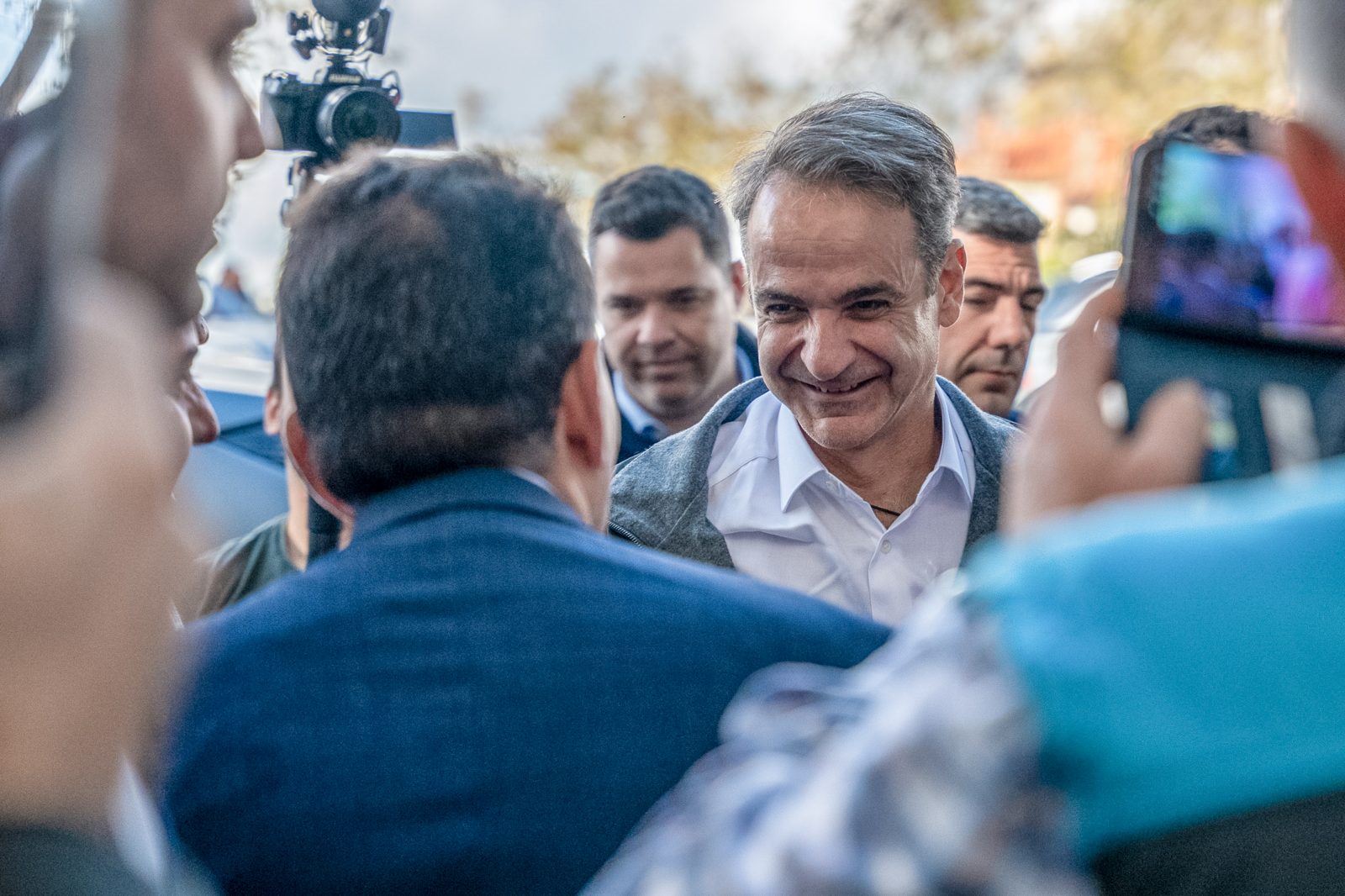
 Greek Prime Minister Kyriakos Mitsotakis is set to visit Elefsina today, where he will meet with citizens at noon, as part of a renewed effort to reconnect with local communities amid growing discontent from the country’s agricultural sector.
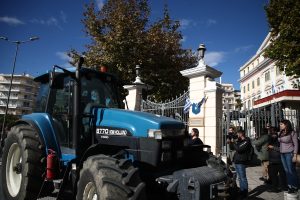
The visit comes shortly after the Prime Minister’s controversial departure from Alexandroupolis Airport, where protesting farmers had gathered. Opposition parties and local demonstrators accused him of being “escorted out via a dirt road” to avoid confrontation.
Government spokesman Pavlos Marinakis dismissed those claims as “nonsense,” clarifying that Mitsotakis left through a designated security exit after protesters refused to send a delegation to meet him, citing their ongoing rally in Athens.
Pressure Mounts Over Delayed Farm Subsidies
The government has come under significant pressure from farmers, who are angered by the delayed distribution of EU agricultural subsidies following an administrative scandal and by the ongoing impact of livestock diseases. The sector, which plays a major role in Greece’s rural economy, has accused authorities of inaction and mismanagement.
The tension was evident during Mitsotakis’ recent visit to Thrace, where demonstrators gathered outside Alexandroupolis Airport to protest agricultural policy failures.
Controlled Setting for Elefsina Appearance
Today’s event in Elefsina coincides with a ceremony at Megara Airport, where the Ministry for Climate Crisis and Civil Protection will receive three new firefighting aircraft. While the Prime Minister’s meeting with citizens is scheduled for midday, the exact location has not been disclosed — a move widely interpreted as an attempt to avoid potential protests.
Digital Outreach on Tax Relief for Youth
In parallel, the Prime Minister’s communication team is stepping up efforts to highlight new tax relief measures for young workers. Mitsotakis recently turned to TikTok to explain that Greeks aged up to 25 earning under €20,000 annually will now be fully exempt from income tax.
He said the change means a worker earning €980 per month will see their take-home pay rise by €91, adding nearly one extra month’s salary per year. However, critics note that the government has yet to clarify how many citizens will benefit or whether the increase will offset persisting inflation and cost-of-living pressures.