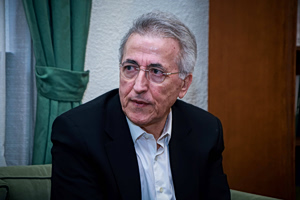
The European Union must systematically invest in its energy security by strengthening infrastructure, diversifying supply sources and routes, and accelerating the energy transition, Greek Environment and Energy Minister Stavros Papastavrou said during a roundtable discussion at the Munich Security Conference.
Papastavrou spoke at a panel titled “Securing the EU’s Energy Future,” moderated by Grégoire Roos, the director of the Europe, Russia and Eurasia programs at Chatham House. The discussion included senior national and European officials.
Energy security as strategic autonomy
“Energy security is not only an economic necessity; it is a matter of strategic autonomPapastavrou at Munich Security Conference Calls for EU Energy Security, resilience and geopolitical stability,” Papastavrou said. At the same time, he stressed that energy policy must ensure affordable and reliable energy for households and businesses, a key concern for families and companies across Greece and the EU.
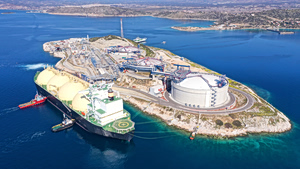
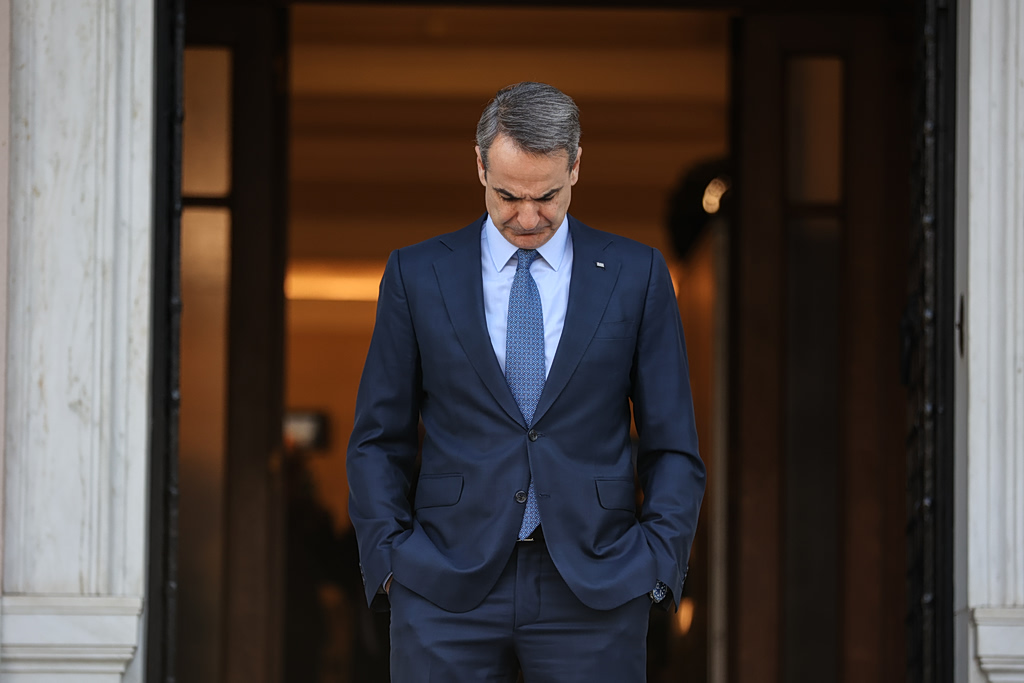
He added that the government of Prime Minister Kyriakos Mitsotakis is consistently investing in energy networks, cross-border interconnections and the development of national resources. The goal, he said, is to strengthen Greece’s energy security and geopolitical standing while adequately diversifying its energy mix.
Competitiveness and democracy
Linking energy policy to Europe’s broader strategic outlook, Papastavrou referred to recent remarks by European Commission President Ursula von der Leyen, who has said that competitiveness is not only the foundation of prosperity, but also of security and, ultimately, of democracies.
In this context, he argued that energy security and economic competitiveness are deeply interconnected, especially at a time of geopolitical uncertainty and market volatility.
Ending dependence on Russian gas
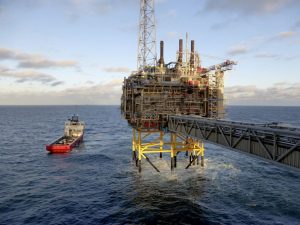
Papastavrou described the EU’s effort to reduce dependence on Russian energy and in particular Russian natural gas, as a complex undertaking that requires coordinated European action.
“Under no circumstances should the EU allow second thoughts or backtracking,” he said. “Effectively addressing alternative entry points for Russian gas into Europe, including the TurkStream pipeline, is now a matter of energy security,” he noted.
The Vertical Corridor and regional stability
The Greek minister made special reference to the so-called Vertical Corridor. He described it not only as an alternative energy supply route for the region and Europe, but also as a broader strategic concept. The initiative, he said, aims to create stable foundations of security for a region of 100 million people by developing energy, transport and trade interconnections, effectively building “arteries” of growth and prosperity.
A technology-neutral energy transition
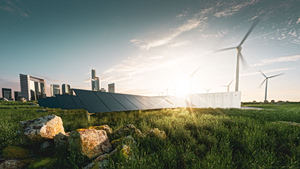
On the green transition, Papastavrou emphasized that Europe’s shift to cleaner energy must remain technology-neutral and focus on the most efficient solutions. He echoed a position previously articulated by Prime Minister Mitsotakis in an article in the Financial Times.
“Greece is a consistent advocate of energy realism as the only sustainable path toward Europe’s energy independence,” Papastavrou said.