Iceland has declared the potential collapse of a major Atlantic Ocean current, the Atlantic Meridional Overturning Circulation (AMOC), a national security threat, citing its far-reaching implications for the country and the planet.
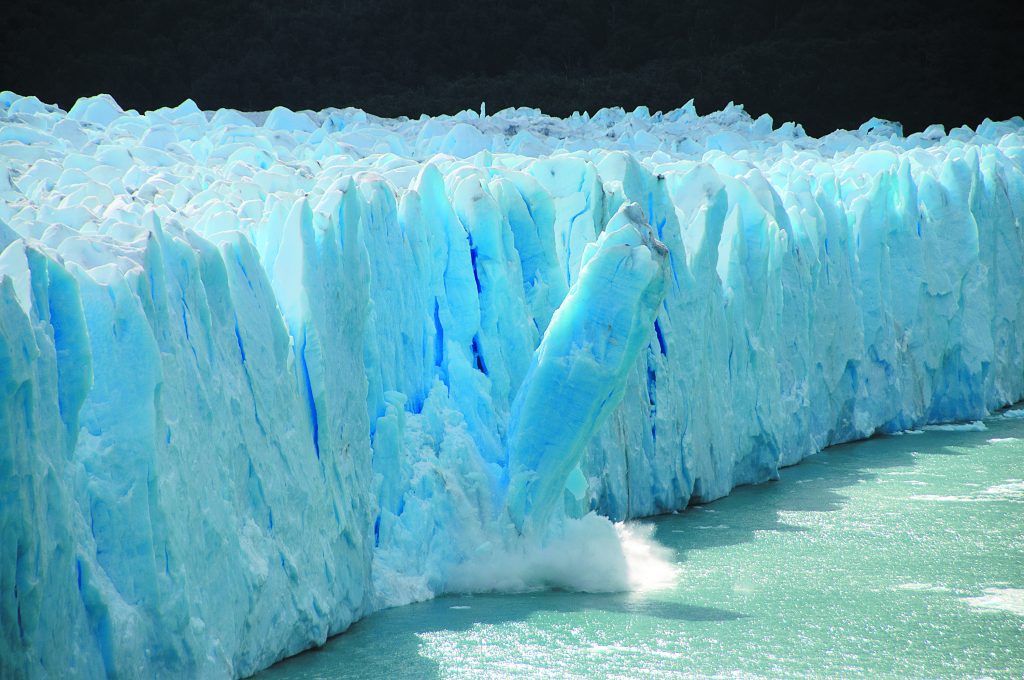
The AMOC carries warm tropical waters north toward the Arctic, moderating Europe’s winters. Scientists warn that melting Arctic ice and Greenland freshwater runoff could slow or halt the current, potentially triggering a modern-day ice age in Northern Europe, with unprecedented cold, snow, and ice.
“It is a direct threat to our national resilience and security,” said Iceland Climate Minister Johann Pall Johannsson as reported by Reuters. For the first time, a specific climate-related phenomenon has been formally presented to Iceland’s National Security Council as an existential risk.
Preparing for worst-case scenarios
Iceland’s government is assessing policies and disaster preparedness measures to counter potential consequences across energy, food security, infrastructure, and international transport. Ministries are now coordinating on research, risk assessment, and planning for worst-case scenarios.
The effects of an AMOC collapse would not be limited to Europe. Scientists warn of disrupted rainfall patterns vital to subsistence farmers in Africa, India, and South America, along with accelerated warming in Antarctica, threatening ice sheets and sea ice.
The Nordic Council of Ministers recently hosted a workshop with 60 experts to evaluate societal impacts, emphasizing that while the timing of an AMOC collapse remains uncertain, the societal risks are under-researched.
Countries across Northern Europe are ramping up scientific studies and considering policy responses. Ireland, Norway, and the UK are funding research to understand potential timelines and impacts, even as climatologists warn that tipping points may be near.
“Sea ice could affect marine transport; extreme weather could severely affect our capabilities to maintain any agriculture and fisheries, which are central to our economy and food systems,” Johannsson said. “We cannot afford to wait for definitive, long-term research before acting.”