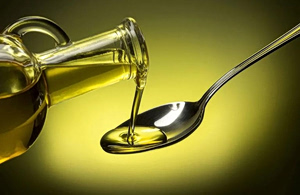
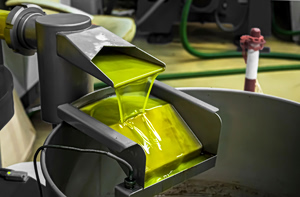
The health benefits of olive oil—often described as Greece’s “liquid gold”—will take center stage at the Agricultural University of Athens, where internationally recognized researchers are gathering for the conference “The Olive Sector: Challenges and Prospects,” organized by the Scientific Society of Olive Encyclopedists (4E) on June 11–12.
A dedicated session will present the latest findings from epidemiological studies, examining how olive oil may help combat some of today’s most pressing health challenges, including obesity, cardiovascular disease, neurodegenerative disorders, and cognitive decline. Beyond confirming its health-promoting reputation, the conference aims to explain the biological mechanisms behind these effects.
Researchers will focus on three interconnected processes that play a central role in human health: oxidation, thrombosis, and inflammation. Each is essential for normal bodily function when kept in balance, but can become harmful when overactivated.
Oxidation, for example, is a natural process involved in energy production and is stimulated by moderate exercise. Excessive oxidative activity, however, can lead to oxidative stress and trigger inflammation. Thrombosis is another vital defense mechanism, preventing blood loss after injury. Yet when blood clots form inside arteries, they can obstruct blood flow and cause heart attacks or strokes. Inflammation, meanwhile, serves as the body’s frontline defense against harmful agents, but chronic inflammation can damage healthy tissues and contribute to disease.
Particular attention will be given to Platelet-Activating Factor (PAF), one of the most powerful inflammatory mediators known. While it plays a protective role under normal conditions, excessive PAF activity has been linked to oxidative stress, abnormal clot formation, atherosclerosis, and cardiovascular disease.
According to researchers, olive oil exerts a dual protective action through two key groups of compounds. Its phenolic compounds act as potent antioxidants, helping to reduce oxidative stress and moderate inflammatory pathways. At the same time, glycerol ether compounds found in olive oil are among the strongest natural inhibitors of PAF, directly limiting its harmful activity.
By shedding light on these mechanisms, the conference seeks to deepen public understanding of olive oil’s nutritional and therapeutic value while stimulating new scientific discussion about its role in disease prevention and overall health.