

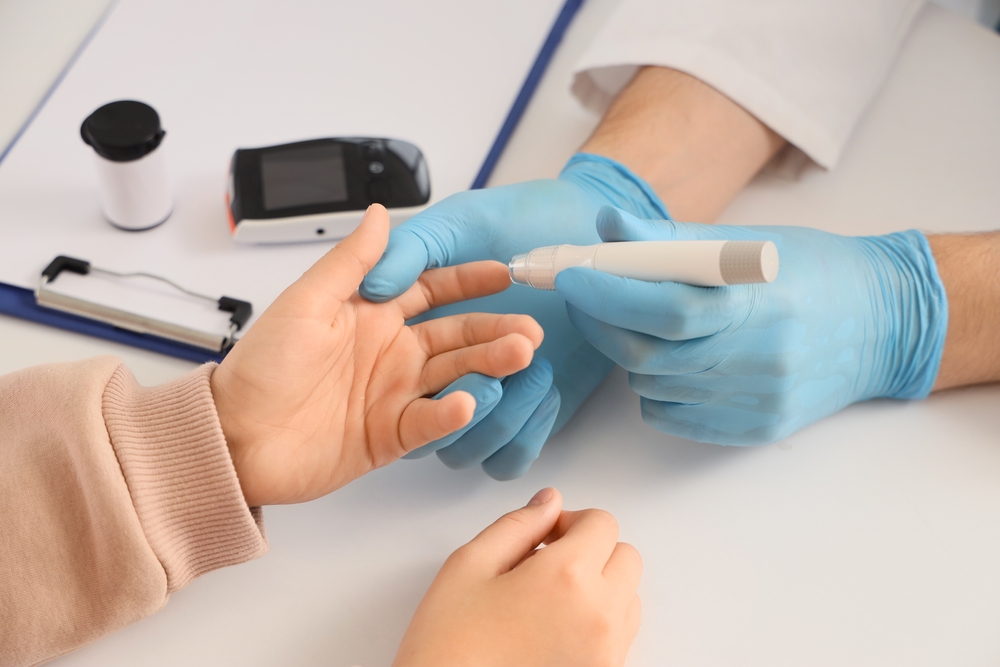
Researchers from the University of British Columbia in Canada have developed a groundbreaking non-invasive test that can detect early metabolic changes linked to type 2 diabetes — well before symptoms appear. This saliva-based test, which eliminates the need for needles and blood draws, may also help identify risk for other chronic conditions such as obesity and heart disease.
Saliva Instead of Needles
Traditionally, insulin levels — a key indicator of metabolic health — are measured via blood tests. High insulin levels, a condition known as hyperinsulinemia, can be a warning sign of type 2 diabetes, cardiovascular disease, and obesity. However, the new study has shown that a simple saliva test can detect these same insulin levels, offering a painless and accessible alternative.
According to Dr. Jonathan Little, lead author of the study published in the journal Applied Physiology, Nutrition and Metabolism, the saliva test can reveal early metabolic changes that precede not only diabetes but also other chronic diseases. Dr. Little is a professor at the University’s School of Health and Exercise Sciences.
The Study and Its Surprising Results
The study involved 94 healthy volunteers with varying body weights. After fasting, participants consumed a meal-replacement beverage and provided saliva samples at 30, 60, and 90-minute intervals. They also underwent a traditional finger-prick glucose test.
Dr. Little noted that individuals with obesity had significantly higher levels of insulin in their saliva compared to those who were underweight or slightly overweight — even though all participants had similar blood sugar levels. This suggests the saliva test can flag diabetes risk well before glucose levels rise or symptoms develop.
Time for Early Action
Type 2 diabetes affects around 400 million people globally and is typically diagnosed through elevated blood glucose. However, conditions like insulin resistance and hyperinsulinemia can begin developing 10 to 20 years earlier.
“If hyperinsulinemia can be identified before glucose levels increase, it opens the door for early interventions that can delay or even prevent the onset of the disease,” said Dr. Little.
A Broader Risk Indicator
The findings are particularly important because hyperinsulinemia is a known early indicator of multiple health risks, including hypertension, stroke, certain cancers, and obesity. The researchers emphasized that even individuals with normal weight and glucose levels could be at risk.
Co-author Dr. Hossein Rafiiei highlighted that some low-weight participants in the study still showed high post-meal insulin levels in their saliva, underscoring that body weight alone may not be a reliable risk factor.
Waist Circumference a Stronger Indicator
The study also examined how waist circumference, Body Mass Index (BMI), age, and sex relate to insulin levels in saliva. Waist circumference emerged as the strongest predictor of elevated insulin, more so than weight or age.
“These results suggest that combining waist measurement with saliva insulin testing could provide a more accurate assessment of metabolic health compared to traditional methods,” the researchers concluded.
A Step Forward in Preventative Health
This new saliva-based test offers a promising new tool for early detection and prevention. By identifying those at risk of type 2 diabetes and related diseases before symptoms arise, it allows for earlier lifestyle or medical interventions — potentially changing the course of chronic illness for millions.