

The World Health Organization (WHO) has issued an urgent warning regarding the chikungunya virus, a mosquito-borne disease with the potential to spark a global epidemic. The virus causes fever and severe joint pain, which can be debilitating and, in some cases, fatal.
Chikungunya: A Rising Global Threat
Often misdiagnosed due to its similarity to dengue and Zika, chikungunya presents a significant public health challenge. According to the WHO, the virus has been detected in 119 countries, putting an estimated 5.6 billion people at risk.
“Chikungunya is not widely known, but it poses a serious global threat,” said Diana Rojas Alvarez, an official with the WHO. She noted that in regions where the population has little or no immunity, the virus can rapidly infect up to 75% of the population, leading to widespread outbreaks.
A History of Rapid Spread
Alvarez highlighted a major outbreak in 2004–2005, which began on small islands in the Indian Ocean before spreading globally and affecting nearly half a million people. Europe has since reported imported cases, with local transmission recorded in France and suspected cases in Italy.
“This pattern mirrors what we saw in 2004,” she warned. “That’s why the WHO is calling for urgent action now—to prevent history from repeating itself.”
Transmission and Symptoms
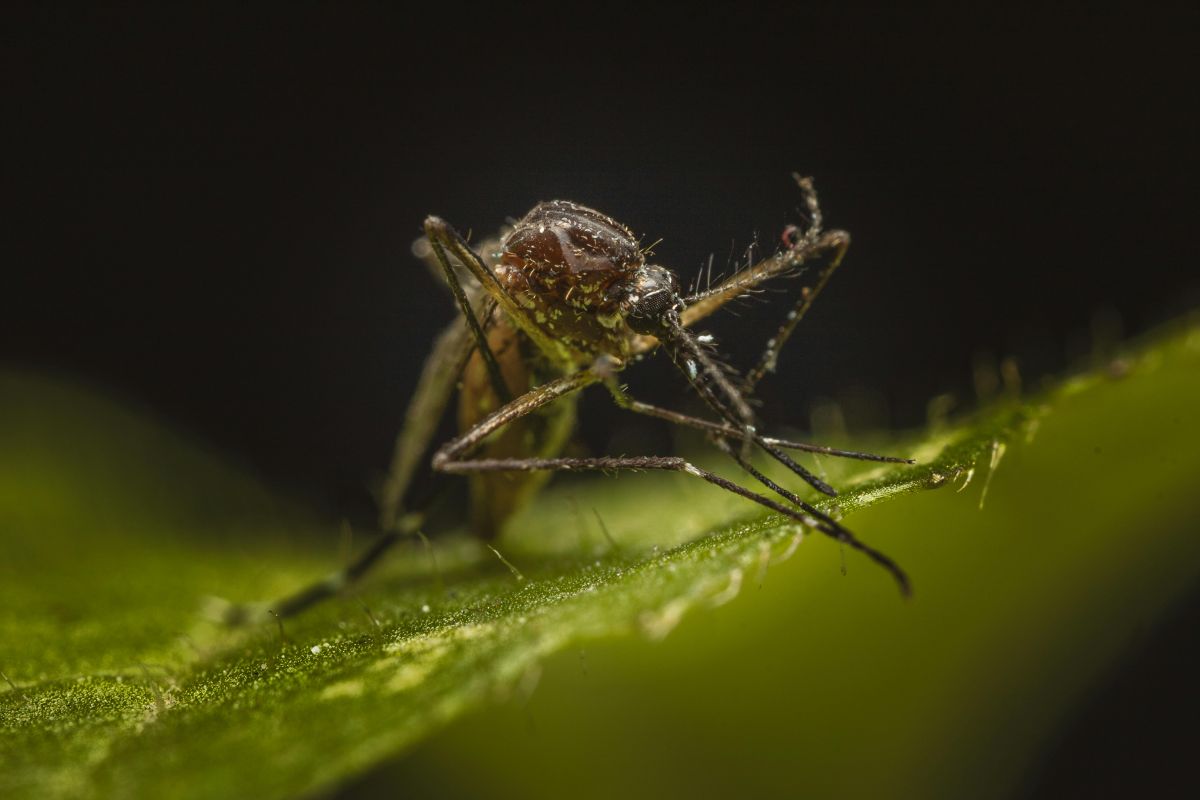
The chikungunya virus is transmitted through the bites of infected female mosquitoes, primarily the Aedes aegypti and Aedes albopictus species. The latter, commonly known as the tiger mosquito, is expanding its reach northward due to climate change. These mosquitoes are most active during daylight hours, especially in the morning and late afternoon.
Once infected, individuals typically experience fever, severe joint pain, headache, rash, and muscle aches. While the fatality rate is below 1%, widespread infection means that even this small percentage could result in thousands of deaths.
Prevention and Early Action
The WHO is urging countries to strengthen their surveillance and response capacities before outbreaks spiral out of control. “When you’re dealing with millions of cases, even a 1% fatality rate is alarming,” Alvarez noted.
The public is advised to take preventive steps, including:
- Using insect repellent
- Eliminating standing water in buckets, containers, or other breeding grounds
- Wearing protective clothing, particularly during mosquito activity hours
Recent Outbreaks Signal Urgency
In 2025 alone, significant chikungunya outbreaks have been reported in Réunion, Mayotte, and Mauritius, with estimates suggesting that one-third of Réunion’s population has already been infected.