 Μake us preferred on Google
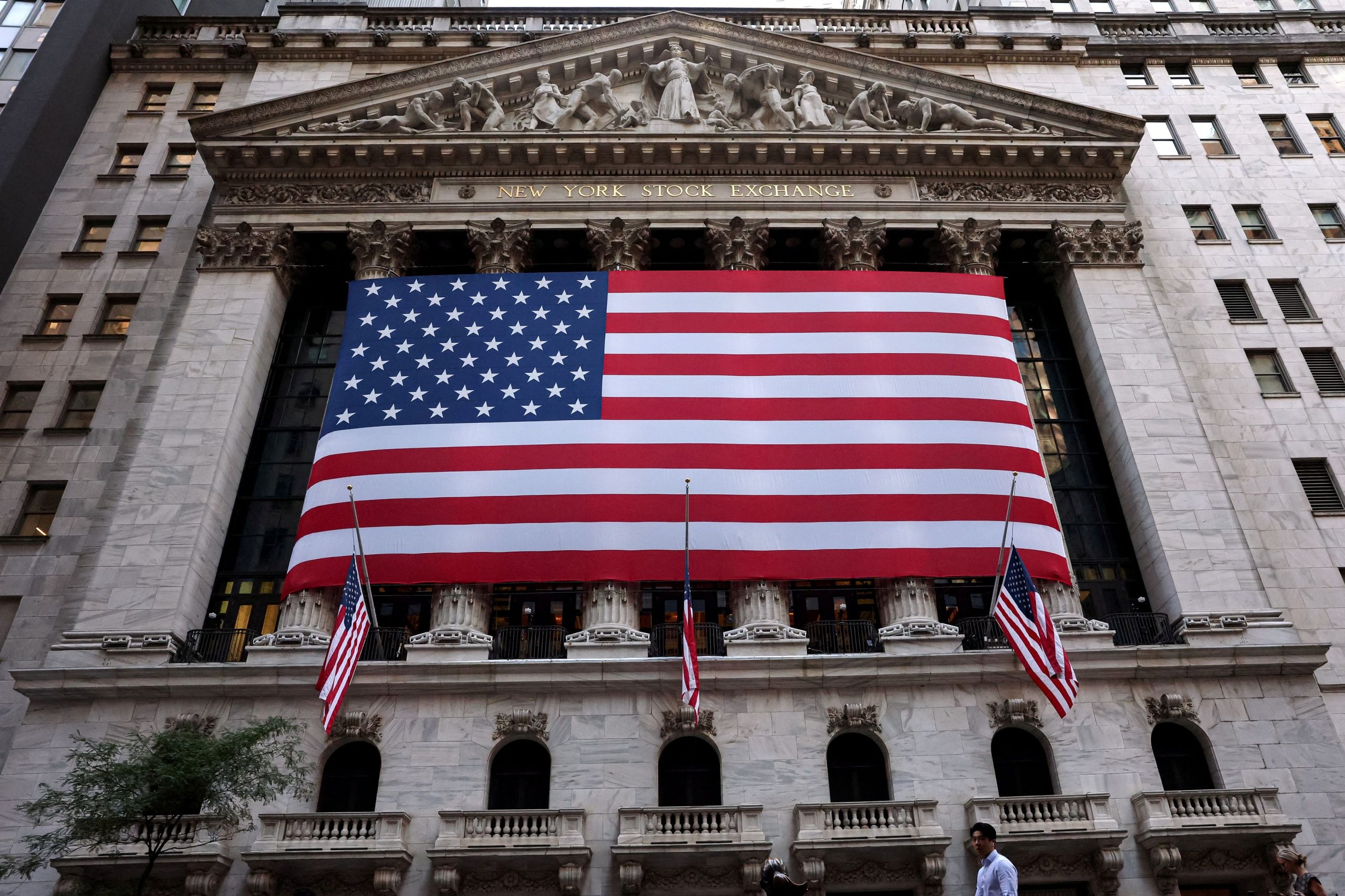
 Twenty-four years ago today, 2,977 people lost their lives after four planes were hijacked by Al-Qaeda members and crashed in New York City, Washington, D.C. and Shanksville, Pennsylvania.
Confusion and horror washed over the United States. Millions watched from classrooms, living rooms, store windows, and sidewalks as firefighters and rescue workers ran into a cloud of smoke and dust, hoping desperately for them to reemerge.
Immediate Aftermath
In the United States, the September 11 attacks mark an annual day of remembrance, as a growing number of people, including most of Generation Z, navigate a world where the events are discussed as a historical event, rather than a personal memory—a world characterized by heightened suspicion, fortified security, and a new wave of American imperialism.
The day of the attacks, fear crept its way into American homes and never really left. Many had to confront the common sentiment, often pitifully recounted by parents to their children, of American immunity. That nothing bad could ever happen on American soil.
The idea emerged following the end of the Cold War. The United States was now riding a wave of unipolarity—it was the world’s sole superpower. However, the attacks marked a turning point in American foreign policy, which ultimately entangled itself with the social landscape of a newly rattled public.
About one week after the attacks, former U.S. President George W. Bush made a speech at Congress that signaled the fall of what Americans once knew as the United States and the emergence of a post-9/11 society. It was the beginning of the nearly 20-year global war on terror.
Domestic Security and International Violence
In the early stages, the United States government underwent significant changes, establishing the U.S. Department of Homeland Security and passing the Patriot Act—a series of policies that allowed for unwarranted surveillance of domestic and international telecommunications and relaxed restrictions on agencies’ counterterrorism efforts. The act, which primarily remains in effect through its infrastructure, has been widely criticized for its invasion of public privacy.
However, Bush’s war on terror was certainly not limited to political restructuring. For years after the attacks, the United States launched destructive military campaigns in Afghanistan and Iraq. The former officially ended after the removal of U.S. troops by former U.S. president Joe Biden, resulting in the Taliban’s assumption of power. The latter, which concluded in 2011, is often questioned as illegitimate, as it resulted in the death of tens of thousands of civilians and a highly publicized war crime, where American soldiers were photographed happily torturing Iraqi prisoners at the Abu Ghraib prison.
Similarly, Bush established a military detention center in Guantanamo Bay, Cuba, designed to hold perceived threats of terror. However, a report released by the Institute of Medicine as a Profession concluded that health professionals and military agencies “designed and participated in cruel, inhumane and degrading treatment and torture of detainees.”
Lasting Impact
Domestically, the 2001 attacks also induced a period of hostility, violence, and suspicion toward Arab, Muslim, and brown Americans. And still, public perception of Islam in the United States has not fully healed. According to Pew Research, in 2021, 50% of Americans believed that Islam is more likely to encourage violence than other religions.
Perpetuating this idea to the American public, in 2017, President Donald Trump signed an executive order that banned travel from multiple predominantly Muslim countries, calling it a “Muslim Ban”—rhetoric that incited a spike in hate crimes against Muslim and Arab-Americans throughout his first term as president. Upon returning to the White House in 2025, Trump reinstated the ban.
While the immediate effects of 9/11 have dissipated, its legacy as a turning point in United States history is indisputable. Social and political rhetoric that spread throughout the country still hangs between the public and politicians, students and teachers, children and parents. The events of 9/11 not only tell a story of tragedy and significant loss at home, but also the horrific effects of imperialism and abuses of military power abroad.