Greek authorities have dismantled an alleged criminal network involved in the sale of counterfeit artworks and antiquities, arresting a well-known gallery owner and an employee following a coordinated police operation.
According to an official police statement, the suspects are accused of possessing and attempting to sell fake works of art, ancient objects and religious icons. The arrests were carried out on March 20 after an extensive investigation into complaints of systematic fraud targeting art buyers.
Hundreds of Items Seized
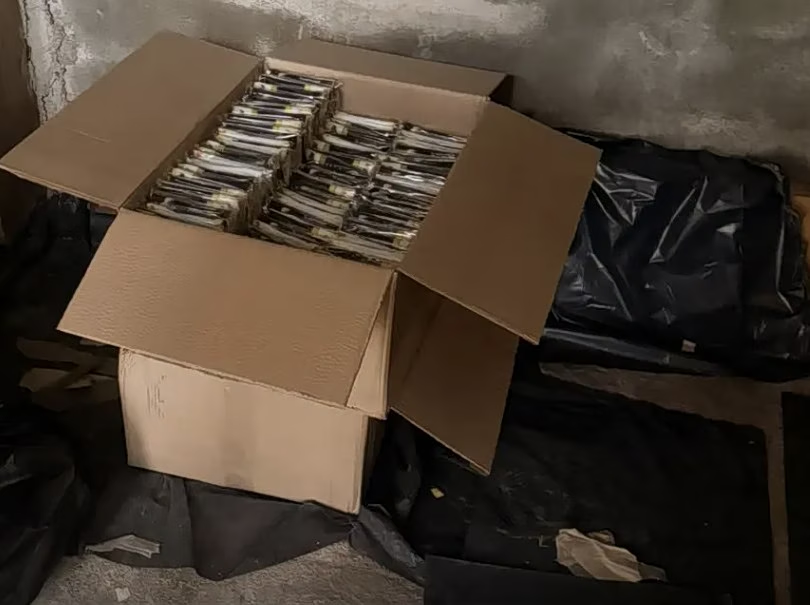
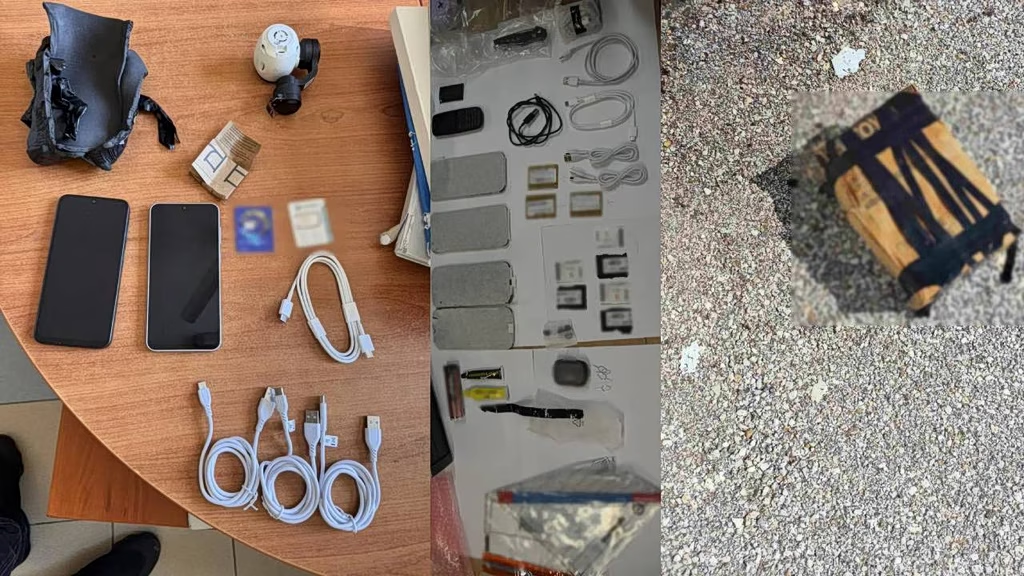
During searches conducted at properties, storage facilities, vehicles and business premises, authorities seized a total of 321 artworks, four wooden religious icons, a Gospel book, three ancient amphorae and additional items from the Byzantine period. Large sums of cash, including more than €226,000 and $32,000, were also confiscated, along with a firearm, ammunition and digital evidence.
Experts who examined the seized items concluded that the majority of the artworks were counterfeit. Some of the recovered objects fall under legislation protecting cultural heritage, indicating their potential historical significance.
Alleged Scheme and Methods
Investigators say the main suspect, acting as the manager of an art gallery business, had been offering items for sale since at least September 2025. The works were marketed through television auctions hosted by the suspect, as well as via an online store, and were presented as authentic pieces by well-known Greek and international artists.
Authorities believe the operation aimed to generate substantial illegal profits by deceiving buyers into purchasing fake or misrepresented items of high value.
The case was initially triggered by multiple complaints, including one from a scientific expert and a cultural authority, regarding the attempted sale of a rare Gospel book considered a unique collectible.