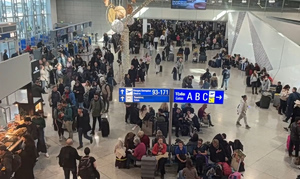
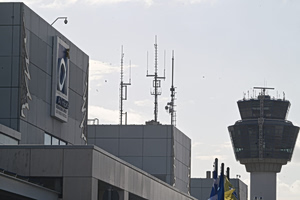
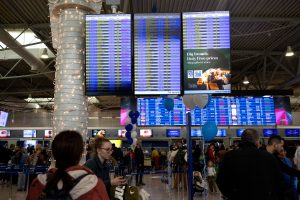
Greece is grappling with the fallout from a major air traffic control blackout in the Athens Flight Information Region (FIR), which occurred on Sunday, January 4. The incident led to the resignation of the head of the Hellenic Civil Aviation Authority (HCAA), sparking criticism of the previous administration’s handling of the country’s aviation infrastructure.
Panagiotis Psarros, president of Greece’s air traffic controllers, described the blackout as “extraordinary” but reassured the public that flying remains safe. Speaking to MEGA, he stressed that the previous HCAA leadership made repeated missteps that failed to address longstanding problems, noting that equipment upgrades alone could take at least four years.
Psarros warned that without immediate interventions and backup systems, similar blackouts could occur again. “No one can guarantee this won’t happen again,” he said, highlighting the urgent need for preventive measures to protect air traffic operations.
The resignation of HCAA chief Giorgos Saunatsos, who had been in the position since March 2024, was preceded by mounting criticism over persistent flight delays. Sunday’s blackout, described as a “massive interference across almost all communication frequencies serving the Athens FIR,” was the final trigger. Internal tensions with the new HCAA chief and concerns about Saunatsos’ handling of the incident reportedly influenced his departure.
A government-appointed special committee investigating the incident confirmed that outdated technology was a key factor. The existing Voice Communication System (VCS) and related infrastructure rely on Synchronous Digital Hierarchy (SDH) technology, which is no longer supported by manufacturers and lacks operational guarantees. The report emphasized that while the blackout disrupted operations, there was no immediate danger to aircraft.
The investigation also recommended relocating the Athens and Macedonia Control Centers (KEPATHM), citing unsuitable conditions, including previous reports of rodents and other hazards in the facility.