As flights over Greece surge to new highs, concerns are mounting over outdated air traffic control infrastructure, recent system failures and whether long-delayed upgrades can keep pace with soaring demand.
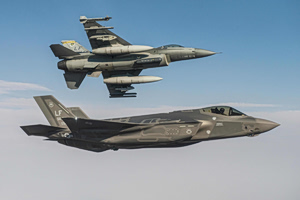
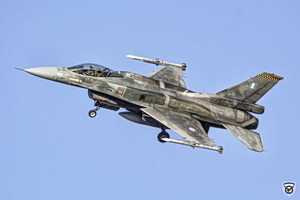
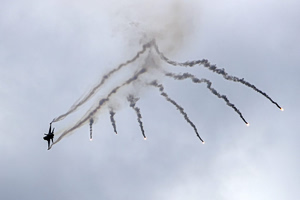
The incident marks first aerial engagement in months after two armed Turkish F-16s violated Greek airspace and initially declined to follow interception instructions
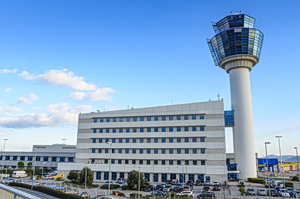
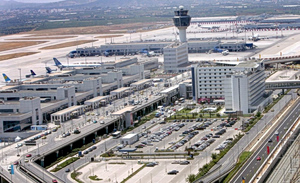
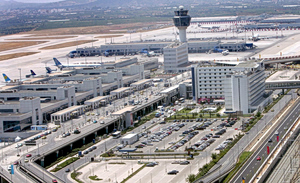
A radar data failure at Eleftherios Venizelos Airport caused flight delays, highlighting persistent long-term issues in Greece’s air traffic infrastructure, say controllers.
The two main airport operators in the country, the two biggest domestic airlines and a major construction and concessions group will cover the 4.7-million-euro donation for the VCRS
The government is also eyeing the upcoming installation of new transceivers with voice recording systems, ordered by the Civil Aviation Authority
Greek aviation authorities face scrutiny after a major air traffic control blackout, with experts warning the system could fail again without urgent upgrades
Greek air traffic controllers warn that a separate investigation into the FIR collapse has exposed serious management shortcomings.
The chronicle of a foretold blackout in Athens FIR highlights ignored warnings by employees about outdated systems, severe staff shortages, and key positions being filled “by people who obtained them through connections”—along with written reports and the mystery of why the backup system failed
Greek air traffic controllers say a new investigation into the Athens flight information region blackout reveals serious management failures, outdated equipment, and safety risks ahead of the busy summer travel season.
According to an announcement by Greece general staff, two formations (2X2) comprised of F-16s were identified as intruders. Additionally, a Turkish UAV was also recorded as infringing on Athens FIR rules and violating Greek airspace
According to the findings of the report, no outside interference or factors, such as cyberattacks, caused the failure, but rather, a 'desynchronization in a number of heterogeneous devices/interfaces'
An unprecedented blackout in Greece’s Athens Flight Information Region has exposed decades-old air traffic control systems battered by weather, technical failures, and chronic underinvestment
Greek aviation authorities confirm that recent communications blackout in Athens FIR posed no flight safety risk, with preliminary analysis pointing to equipment interference rather than cyberattack
Experts will examine the proper functioning of the VAR/VCS remote control system and whether the Ymittos transmitter was continuously activated last Sunday, as reported by staff who conducted an on-site inspection
Greek cybersecurity authorities say the air traffic disruption was caused by a technical failure in radio transmitters, not sabotage or interference, stressing that flight safety was never compromised
Greek authorities say the FIR Athens blackout was caused by a large-scale telecommunications failure, possibly linked to human error, stressing that flight safety was never compromised as investigations continue into how the outage occurred.
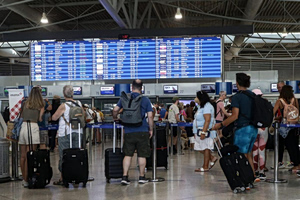
Following widespread flight disruptions caused by a communications blackout over Athens airspace, AEGEAN rebooked passengers free of charge, provided hotel accommodation and transport, and issued refunds in line with EU passenger rights rules.
Authorities launch parallel technical and judicial investigations after a 40-minute collapse of air traffic control disrupted flights, stranded passengers, and exposed concerns over aging infrastructure.
According to Greece's Civil Aviation Authority at some point on Sunday afternoon an electronic “noise” that was blocking the systems ceased
A prolonged communication failure in Greek airspace halted flights for hours, prompting investigations into technical faults, possible interference, and the resilience of ageing aviation systems