Two large apartment buildings in Athens’ Kypseli neighborhood have been classified as “red” following the passage of a tunnel-boring machine for the construction of Metro Line 4, according to information cited by Greek newspaper To Vima.
The two buildings, located on Spetses Street near the point where the tunnel-boring machine stopped after cracks and ground subsidence were first detected, contain a total of 21 apartments.
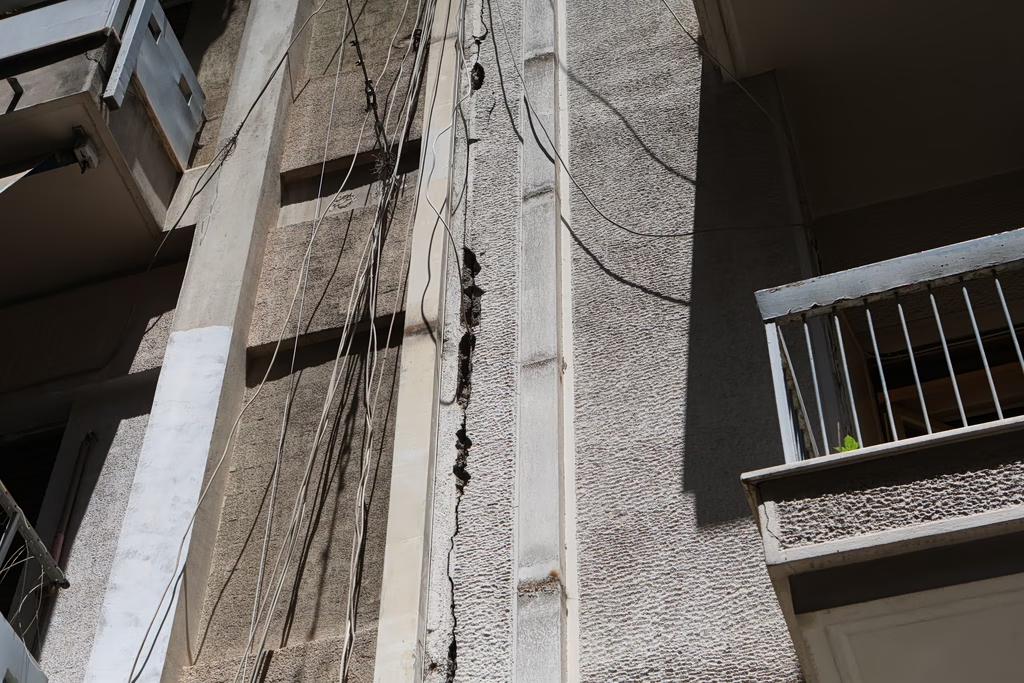
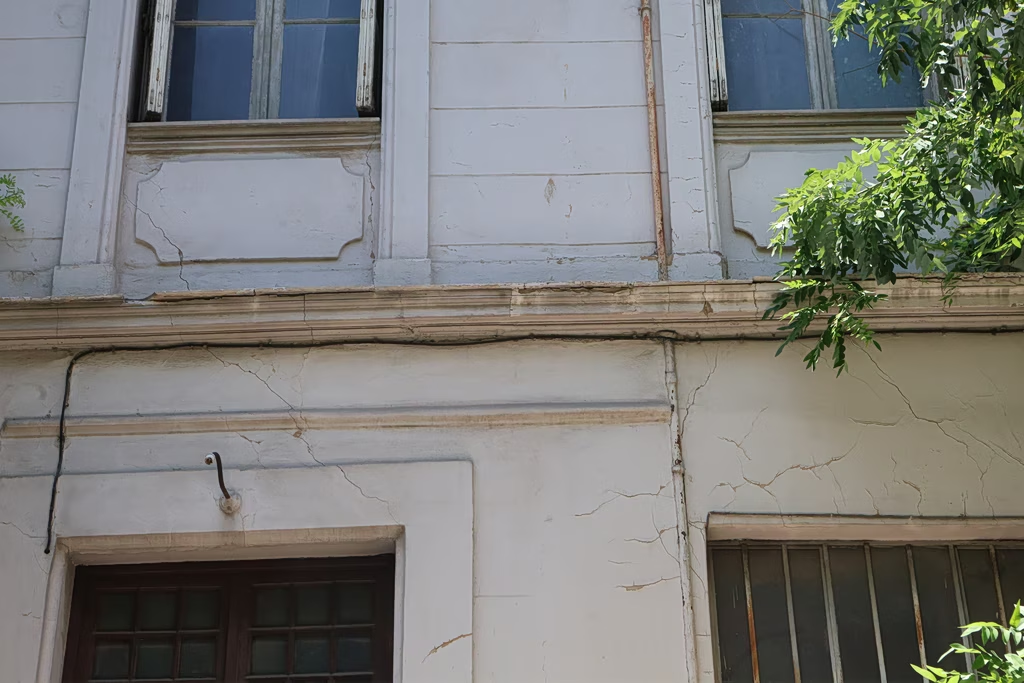
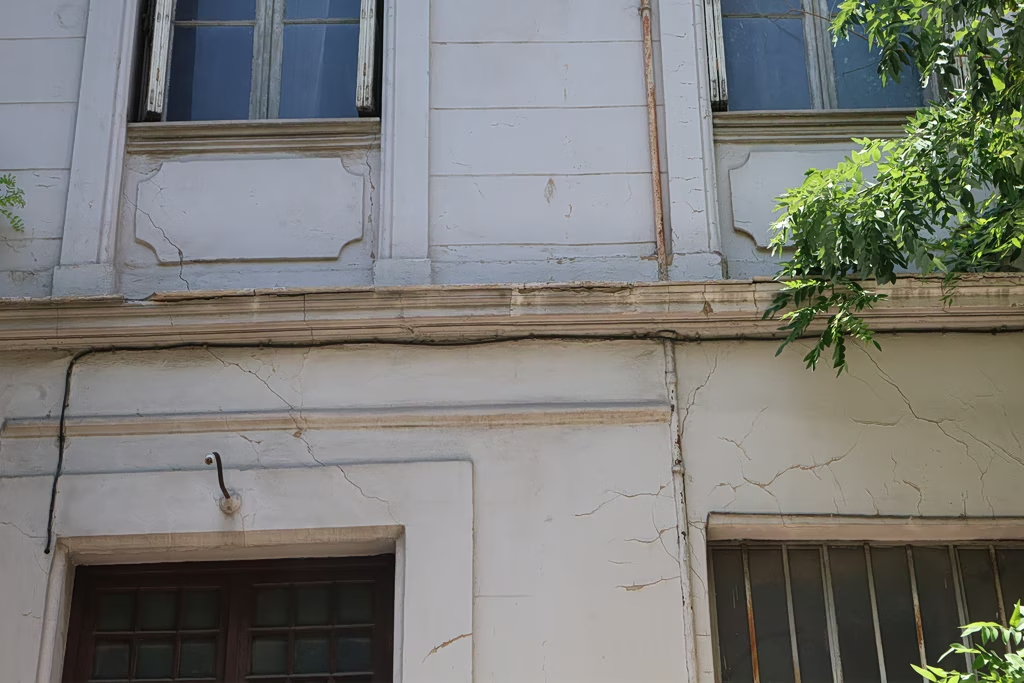
Initial assessments reportedly indicate damage to their structural systems, potentially making the buildings vulnerable in the event of an earthquake. Some experts have argued that the buildings should be evacuated.
Several of the other 14 apartment buildings inspected so far have reportedly been classified as “yellow,” meaning they require detailed technical studies and extensive repair and restoration work before they can be considered safe for occupancy.
What the classifications mean
According to Panagiotis Karydis, emeritus professor of earthquake-resistant structures, the classifications are based on Greece’s experience with earthquakes.
“A ‘red’ classification means that the building should not be occupied. It is dangerous and should be demolished,” Karydis told To Vima.
A “yellow” classification means that a building requires repairs and should not be occupied until it is cleared for use, he said.
Karydis also noted that the fact that the problems did not appear from the beginning indicates that they were developing over time.
Residents demand more information
On Monday, August 31, representatives of the Kypseli Residents’ Initiative, accompanied by their lawyer, Thanasis Kampagiannis, briefed residents on the condition of the buildings and the next steps.
The issue is expected to be discussed at a residents’ meeting on Tuesday evening, where they will consider whether to pursue legal action.
The developments came days after Elliniko Metro, the company responsible for Greece’s metro infrastructure, sent information to the Municipality of Athens concerning 14 apartment buildings. The material was provided under confidentiality clauses that prevented its public release.
Residents argue that more buildings have been affected.
Experts cite gaps in data
Scientists reviewing the material say the available measurements contain “major gaps, inconsistencies and ambiguities” and argue that all the buildings should undergo a new inspection from the beginning before firm conclusions can be reached.
They also say there is still no data-based answer to whether the ground subsidence has stopped, while residents continue to report new cracks in their homes.
Kampagiannis said the documents sent by Elliniko Metro to Athens Mayor Haris Doukas on August 27 represented only part of the material requested by residents through formal legal notices.
According to the residents’ lawyer, the documents cover only 14 apartment buildings, despite indications that more have been affected. They also do not include requested information on the development and current state of the subsidence, the project’s work log, the exact pressure exerted by the tunnel-boring machine at different locations and dates, and studies assessing the stability of the buildings and the project’s impact on them.
The residents are also seeking studies and revisions based on geological and geotechnical data, as well as a new report prepared by the contractor concerning the causes of the failure and the safe continuation of the project.
Kampagiannis criticized the confidentiality terms under which the material was provided to the mayor, arguing that affected residents have a right to be informed about information concerning their own properties.
He said residents whose buildings are included in the documents would be informed about the relevant findings.
The lawyer added that the material and reports received came from engineers working for the consortium and Elliniko Metro. Expert assessments by engineers appointed by the Technical Chamber of Greece are still pending.
Residents say concerns have been confirmed
According to Kampagiannis, the initial findings support residents’ concerns about the impact of the tunnel-boring machine.
He said the information indicates that Elliniko Metro and the contractor miscalculated the expected effects of the tunnel-boring machine’s passage on buildings in the area.
Buildings that had initially been classified as “green,” indicating insignificant expected effects before the tunnel-boring machine passed, are now classified as “yellow” or “red,” he said.
Kampagiannis also said the assessments acknowledge continuing risks that have been known for months, without the necessary measures being taken to address the problem and restore the affected buildings.
He noted that the risk assessments were based on inspections conducted months earlier, while residents and more recent inspections by engineers describe an ongoing phenomenon involving new cracks and damage.
He further disputed previous assurances from Elliniko Metro that there were no indications of damage to structural elements and that the buildings’ existing structural adequacy had not been affected.
According to Kampagiannis, the available documents instead contradict those categorical assurances or replace them with more qualified statements from engineers and recommendations for further inspections.
He said the incomplete and fragmented material nevertheless demonstrates the immediate need to take all necessary measures to protect the lives, physical safety and property of affected Kypseli residents, along with rapidly completing the required structural assessments and restoration studies.