
 Μake us preferred on Google
The project aims to make the archaeological site more accessible to visitors while preserving its natural setting, a landscape of olive trees, other vegetation and traditional dry-stone terraces. The planned improvements are deliberately modest, reflecting the site’s archaeological significance and the need for further excavation before it can be fully presented to the public.
The plans come as Ithaca, traditionally identified as the home of Odysseus in Homer’s epic, draws renewed international interest following the release and success of Christopher Nolan’s box office smash “The Odyssey.” The island’s association with the legendary king gives the site particular appeal, although the precise location of Homeric Ithaca and the identification of the archaeological remains remain subjects of scholarly debate.
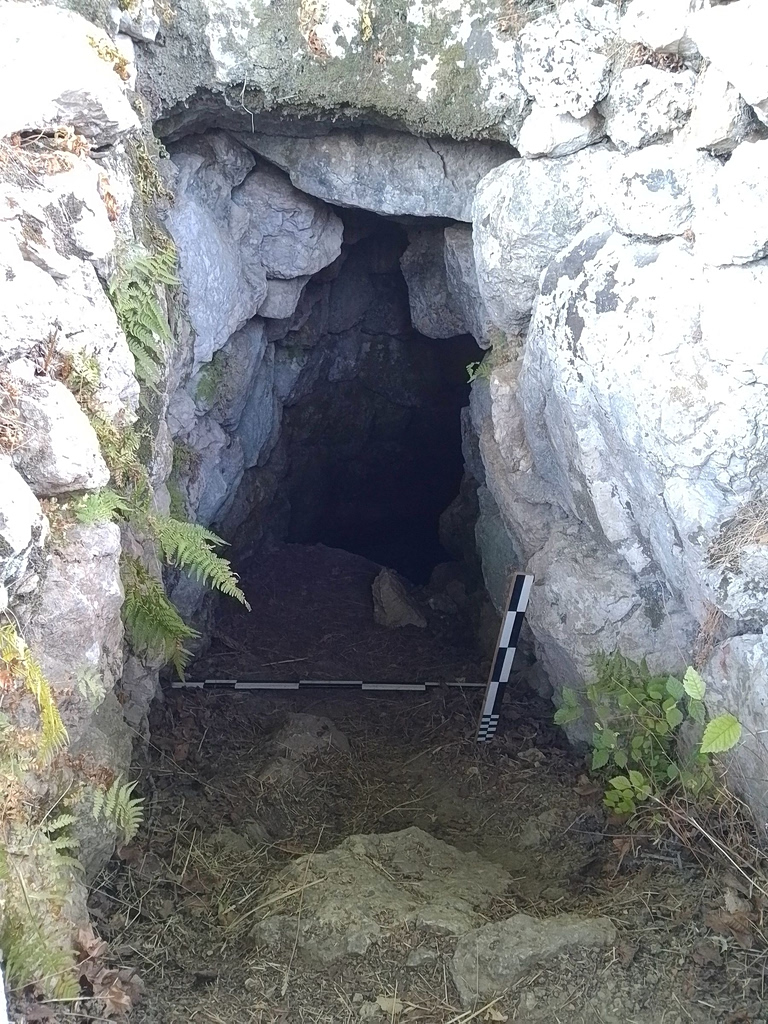
A view of the carved out underground spring from the northeast, at the Agios Athanasios–School of Homer archaeological site on the Ionian island of Ithaca. Culture Ministry photo / Χρ. Μαραμπέα
A discreet route through a landscape of ancient remains
The approved plans call for a main entrance about 30 meters from the Mycenaean-era spring, replacing an earlier proposal to place it just six meters away. The existing parking area will be improved with a discreet compacted-earth surface, while a small entrance guard post of three square meters and an eight-square-meter restroom facility accessible to people with disabilities will be built.
A natural-earth path will follow the contours of the terrain, linking the existing entrances and exits. A route with a suitable gradient will accommodate visitors with disabilities.
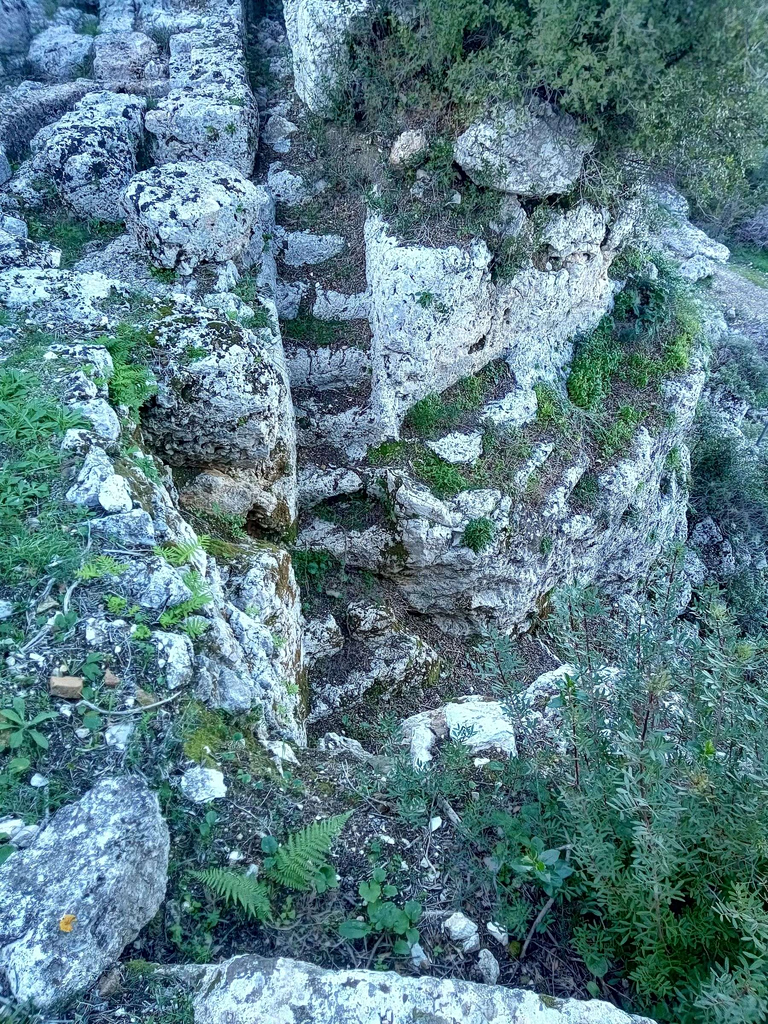
View of the upper section of the southern rock-cut staircase from the south, at the Agios Athanasios–School of Homer archaeological site on the Ionian island of Ithaca. Culture Ministry photo / Χρ. Μαραμπέα
A Mycenaean settlement, not a conclusively identified palace
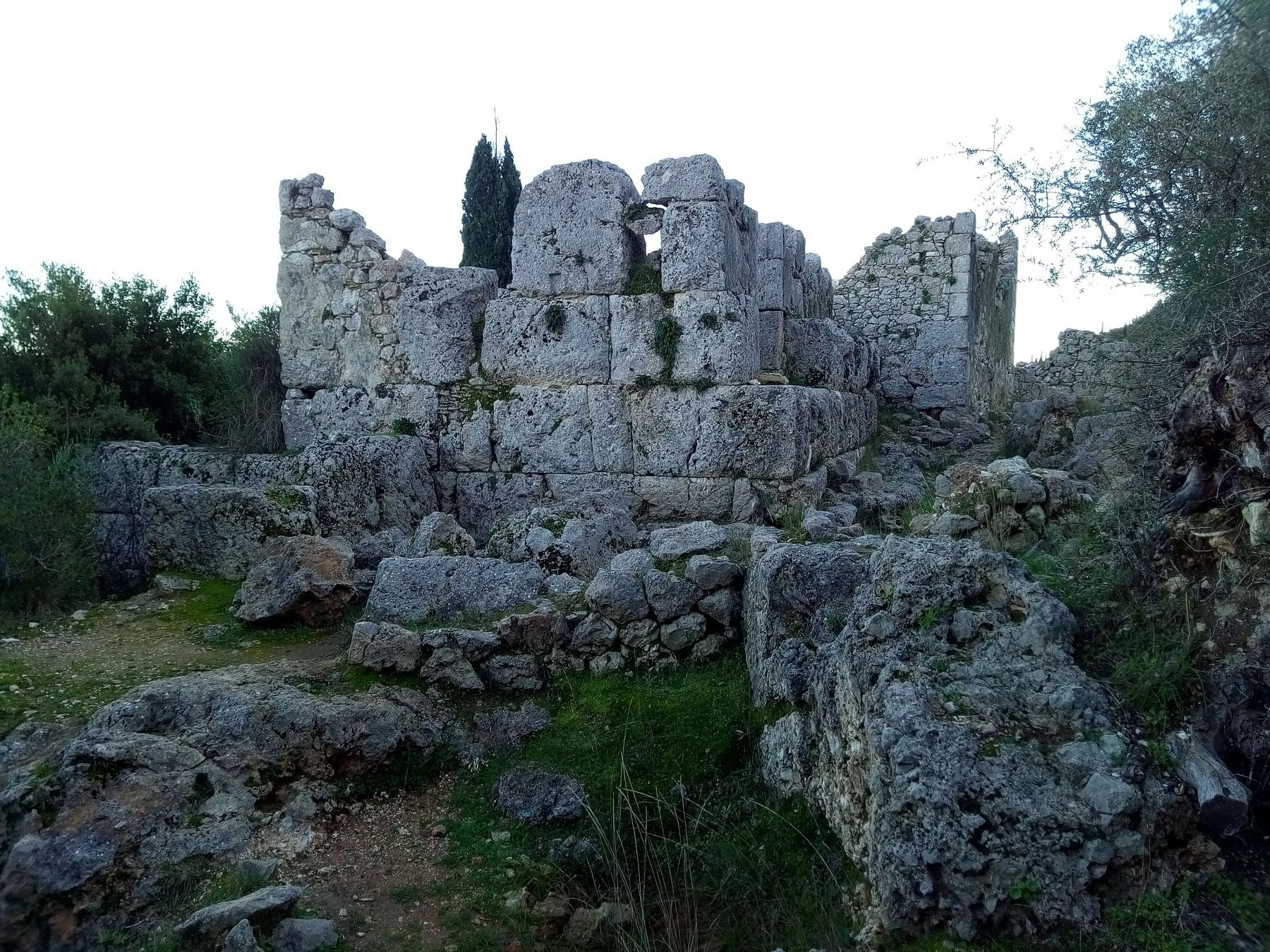
The culture ministry’s account of the site provides a more nuanced picture than the popular description of it as the “Palace of Odysseus.” Known as the School of Homer since the early 19th century, the site, with the placename Agios Athanasios, lies on the eastern slopes of Mount Exogi in northern Ithaca, in an area rich in natural springs. Excavated remains occupy two terraces connected by rock-cut stairways. They include the remains of a Hellenistic tower dating to the third century BC and a large rectangular building on the lower terrace.
Systematic excavations were conducted from 1994 to 2011 under the late associate professor Litsa Kontorli-Papadopoulou and professor emeritus Athanasios Papadopoulos. A research program launched by the University of Ioannina in 2018, led by professor emeritus Giannos G. Lolos with a major contribution from archaeologist Christina Marabea, has continued to document and interpret the finds. The ministry says evidence of human activity at the site dates back to the Late Neolithic period, while pottery fragments indicate activity during the late 14th and 13th centuries BC.
In August 2010, Papadopoulos publicly proposed that the fortified site on Ithaca could be identified with the palace of Odysseus and Penelope, while explicitly qualifying the interpretation in light of the available archaeological evidence. The identification remains a hypothesis rather than an established archaeological fact.
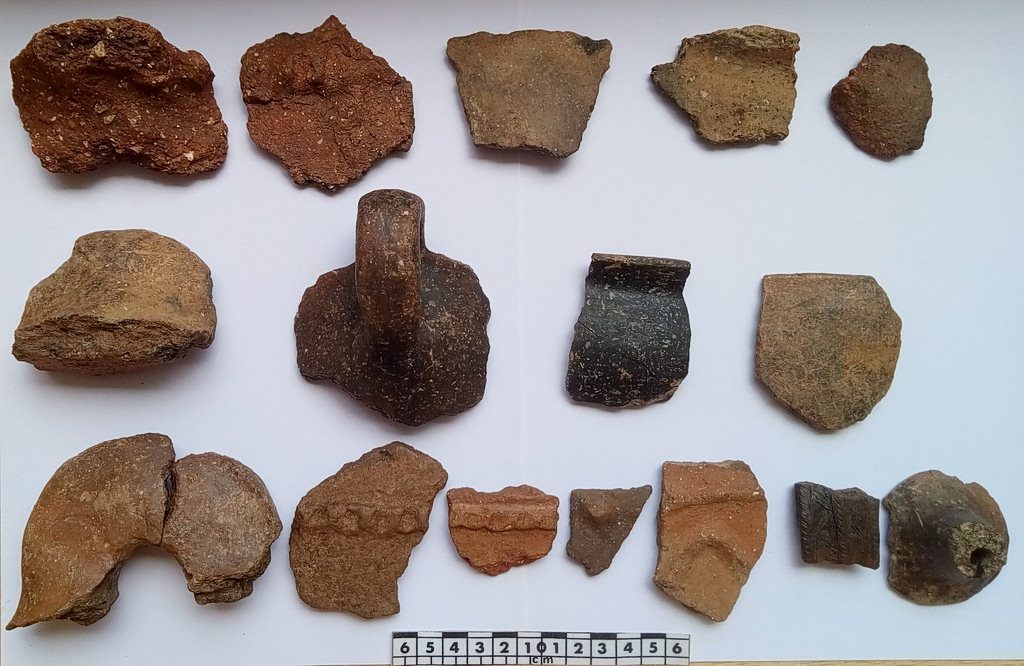
Selection of pottery sherds from various categories dating to the Final Neolithic period, at the Agios Athanasios–School of Homer archaeological site on the Ionian island of Ithaca. Culture Ministry photo / Χρ. Μαραμπέα.
Nevertheless, the debate also has a long history.
German archaeologist Wilhelm Dörpfeld, who worked with Heinrich Schliemann at Troy, argued that Homeric Ithaca was actually the nearby island of Lefkada (Lefkas). The continuing investigation of Agios Athanasios adds evidence to the discussion, but it does not by itself settle the question of where Homer’s legendary kingdom was located.

Matt Damon is Odysseus in “The Odyssey”, by Christopher Nolan.
The renewed international interest surrounding Nolan’s film has added to the wider appeal of the Homeric story, especially Ithaca and the tale of hero Odysseus. Released in July 2026, “The Odyssey” became a major global box-office success, with Universal Pictures reporting worldwide takings of more than $1.6 billion by September.