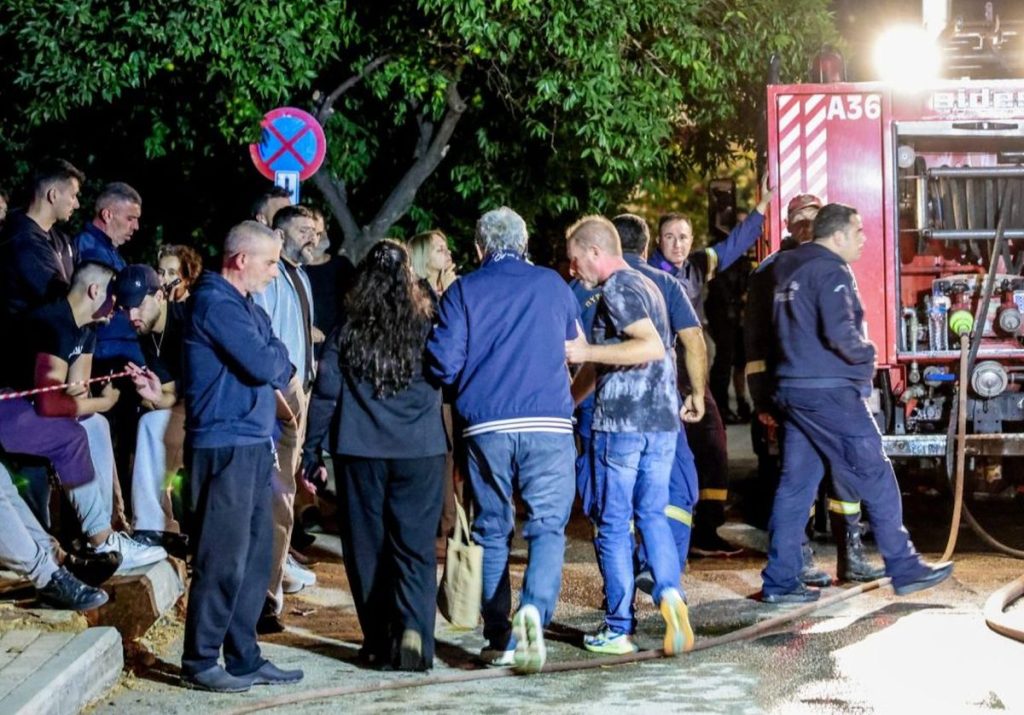
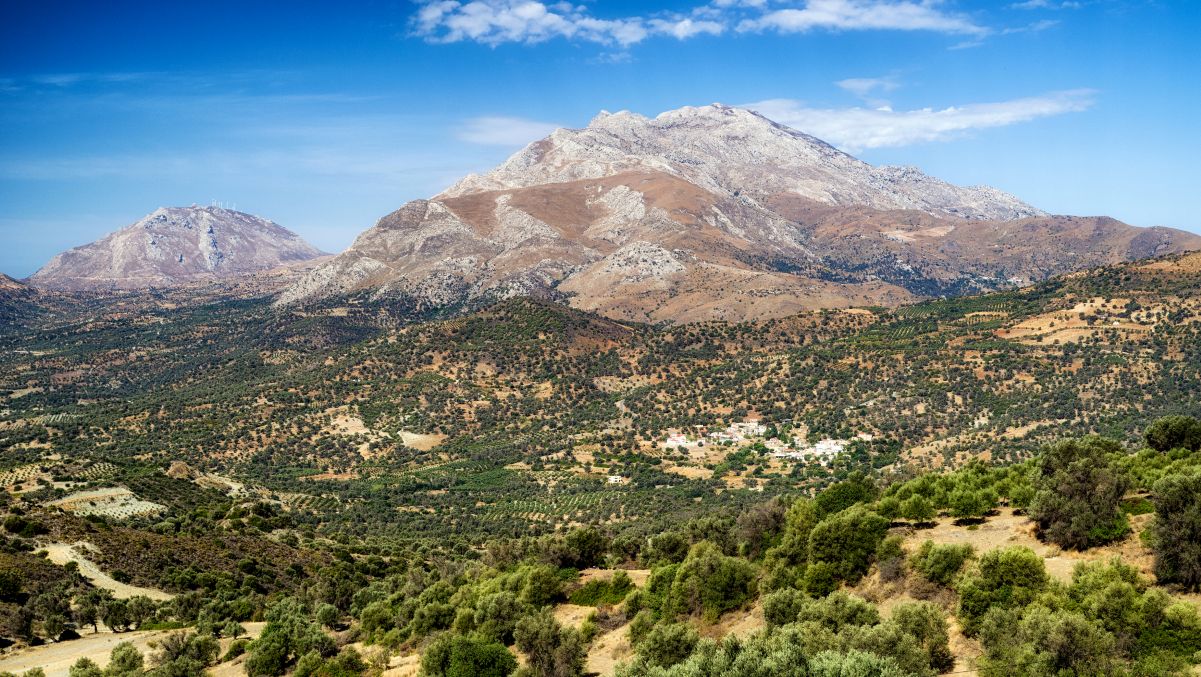
The mountain village of Vorizia in Crete has once again found itself at the center of Greek public attention after a violent clash between two families left blood on the ground — and fear in its wake. The tragedy serves as a stark reminder that Crete is not only the land of sun, sea, Minoan heritage, and tourism. Beneath the postcard beauty lies a darker reality — one where disputes are still sometimes settled with guns rather than words, and where the old code of vendetta continues to rule in parts of the island.
For decades, the vendetta — a cycle of revenge passed down through generations — has defined relationships between families, reviving memories of an era when “honor” was measured in blood. Against it stands sasmos, (σασμος) the ancient Cretan tradition of reconciliation, a ritual of peace meant to break the chain of vengeance. Today, Crete struggles to balance these two forces: the weight of its traditions and the rule of law in a modern state.
The word vendetta comes from the Italian for “revenge,” but on Crete, it carries far deeper social meaning. It is not merely retaliation — it is a social ritual, an unwritten law of honor. It often begins with a quarrel, or a killing, and can evolve into a blood feud lasting decades. For the men involved, avenging a fallen relative is a moral duty, while the community lives under the shadow of fear. The authorities, meanwhile, often find themselves powerless observers, as local customs can override the reach of the law.
Opposite the vendetta stands sasmos — from the Greek verb sαzo, (σαζω) meaning “to reconcile.” It is more than forgiveness; it’s a solemn pact of peace. The process can take months or even years, requiring the mediation of respected community figures — priests, elders, or local leaders. It involves symbolic gestures, witnesses, and vows to end hostilities. Its goal: to stop the bloodshed and restore the delicate balance of communal life.
The recent events in Vorizia are a grim reminder of how stubbornly the vendetta survives, even in an age when the state seeks to enforce order. For some, it is a dying remnant of the past that stains Crete’s reputation and costs innocent lives. For others, it remains a marker of Cretan identity — a harsh but enduring code of honor. The tension between tradition and modern law, between pride and peace, continues to haunt the island, with every new incident reopening old wounds.
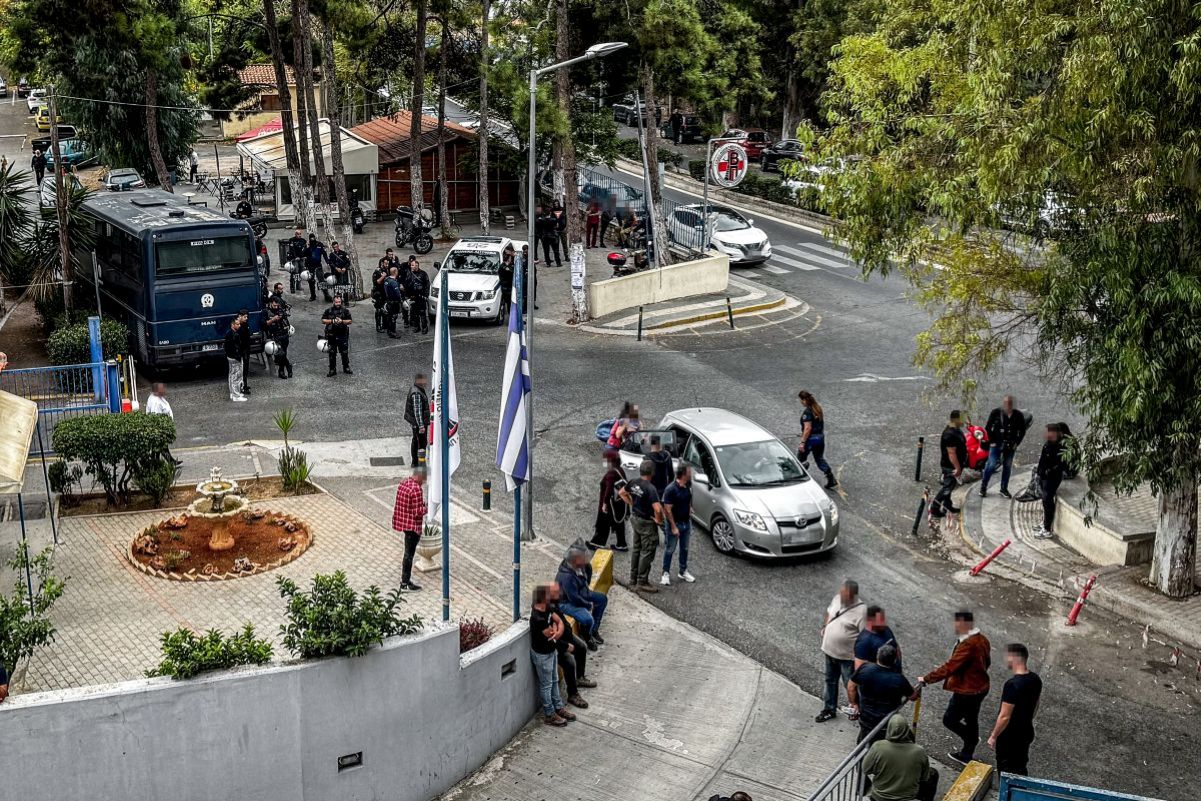
And there is irony in all this. As Crete sells itself to the world as a land of hospitality, bravery, and timeless charm, its other face — the one of guns, grudges, and local dynasties — remains an open secret, whispered but rarely confronted.
Crete, of course, is more than this. It is a land of culture, resilience, and spirit. Yet each time a feud turns deadly, the “other” Crete — the one striving to move forward — slips back into the shadows.
The real question now is not whether another sasmos will come, but whether a society can finally break its own internal cycle of fear, silence, and complicity. Because in the end, there is nothing more dangerous than a tradition turned into an excuse.