Greek authorities say a series of critical clues — from an inheritance dispute to shifting roles among the suspects — ultimately led investigators to identify a campground owner’s nephew as a key figure behind the double murder that shocked southern Greece in early October. The nephew and a businessman friend, both now in police custody, are accused of orchestrating the killings of the 68-year-old campground owner and his 60-year-old employee.
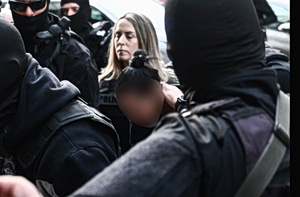
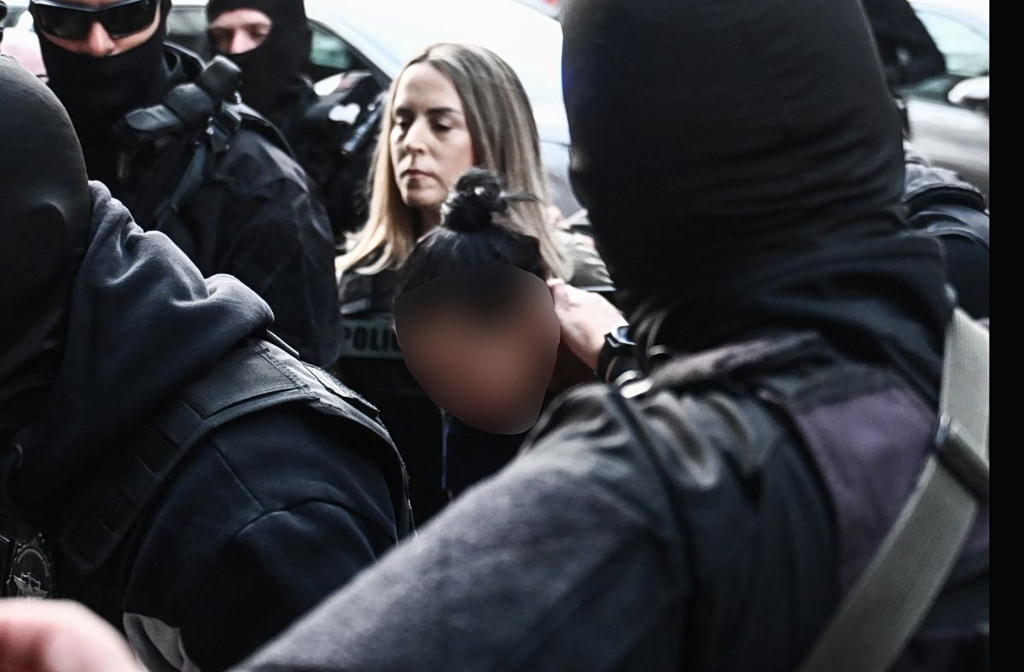
The two men were arrested in Athens and are expected to appear before a court in the capital before being transferred to the city of Kalamata to formally present their statements to an investigative judge. Their attorneys are expected to request additional time to review the extensive case file. Police are also searching for another young man believed to be an accomplice who has fled abroad.
According to investigative records and witness statements, the nephew allegedly began planning the murder of his uncle well before the crime. Authorities believe he aimed to inherit the victim’s sizable property holdings. A businessman close to the nephew allegedly coached the perpetrators and instructed them throughout the operation.
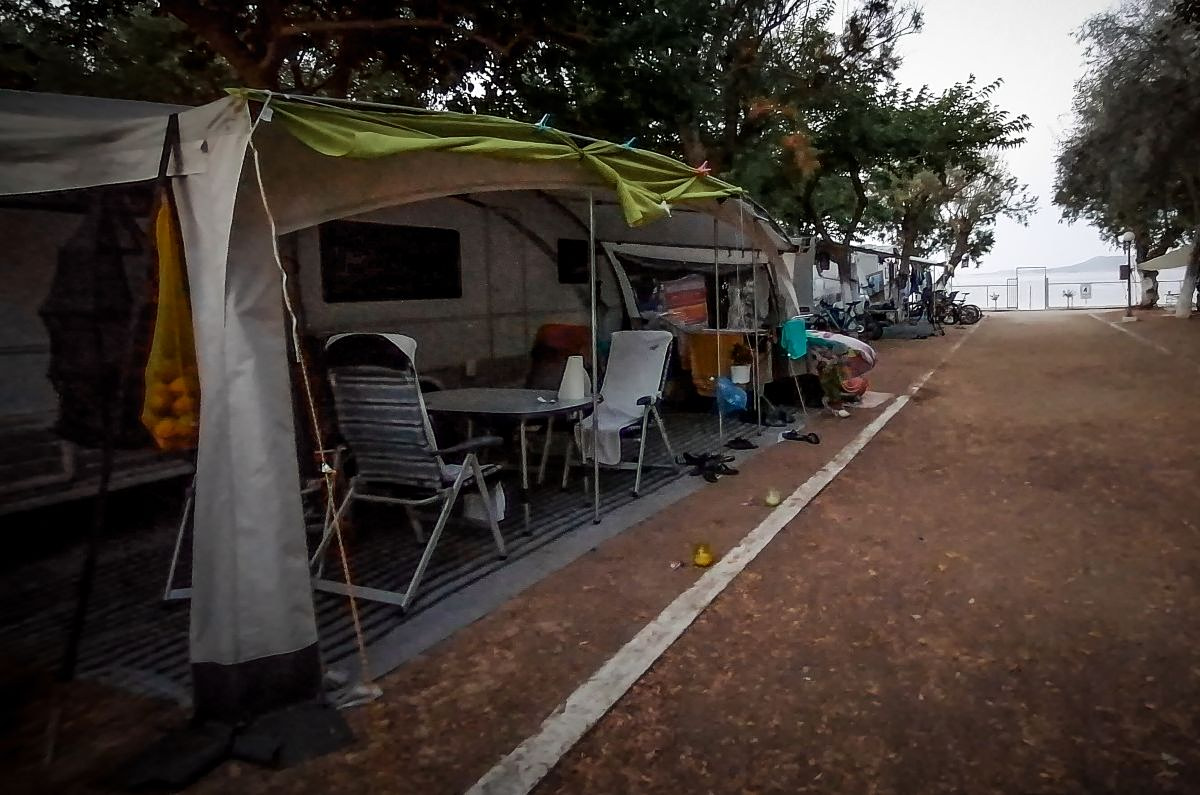
Two young workers employed by the businessman — already jailed in connection with the case — were allegedly provided with weapons, money, and a detailed plan. On the night of the killings, they allegedly entered the coastal campground in the Foinikounta area, fatally shot the owner and the site’s caretaker, and returned to Athens. Investigators say they left behind cash found near the bodies, ruling out robbery and strengthening suspicions of a contract killing.
A major turning point emerged when investigators reassessed the role of the alleged accomplice. Initially thought to have only supported the operation, the man is now believed — after two months of forensic reviews and interrogations — to have been the actual gunman. Court documents describe how the nephew and the businessman allegedly pressured him to carry out the shootings, a development that could trigger new statements from the two 22-year-olds already in prison.
The murder occurred on October 5, when the shooter entered the campground and fired twice at the owner before shooting the caretaker three times as he tried to escape. Police made their move weeks later, arresting the businessman outside his apartment building in a seaside Athens suburb. Inside the residence, officers found the nephew, who followed them without resistance and remained silent throughout the arrest.
Although he denies involvement, the nephew’s explanations quickly unraveled under scrutiny. A key element was a handwritten will: just three days before his death, the victim drafted a document leaving most of his assets to the nephew. The will, which began with the line “I write my will in case of sudden death,” raised further suspicion about the timing and the beneficiary.
Complicating matters, the victim’s niece — who had been disinherited — reported receiving threats after insisting from the start that someone within the family was behind the murder. Her statements contributed to the pressure on investigators to reexamine family dynamics and financial motives.
As the case widens and authorities continue to pursue the fugitive suspect, the evidence pointing to the nephew’s alleged involvement has reshaped the entire investigation, turning what initially appeared to be a straightforward contract killing into a complex scheme centered on family rivalries, inheritance, and manipulation.