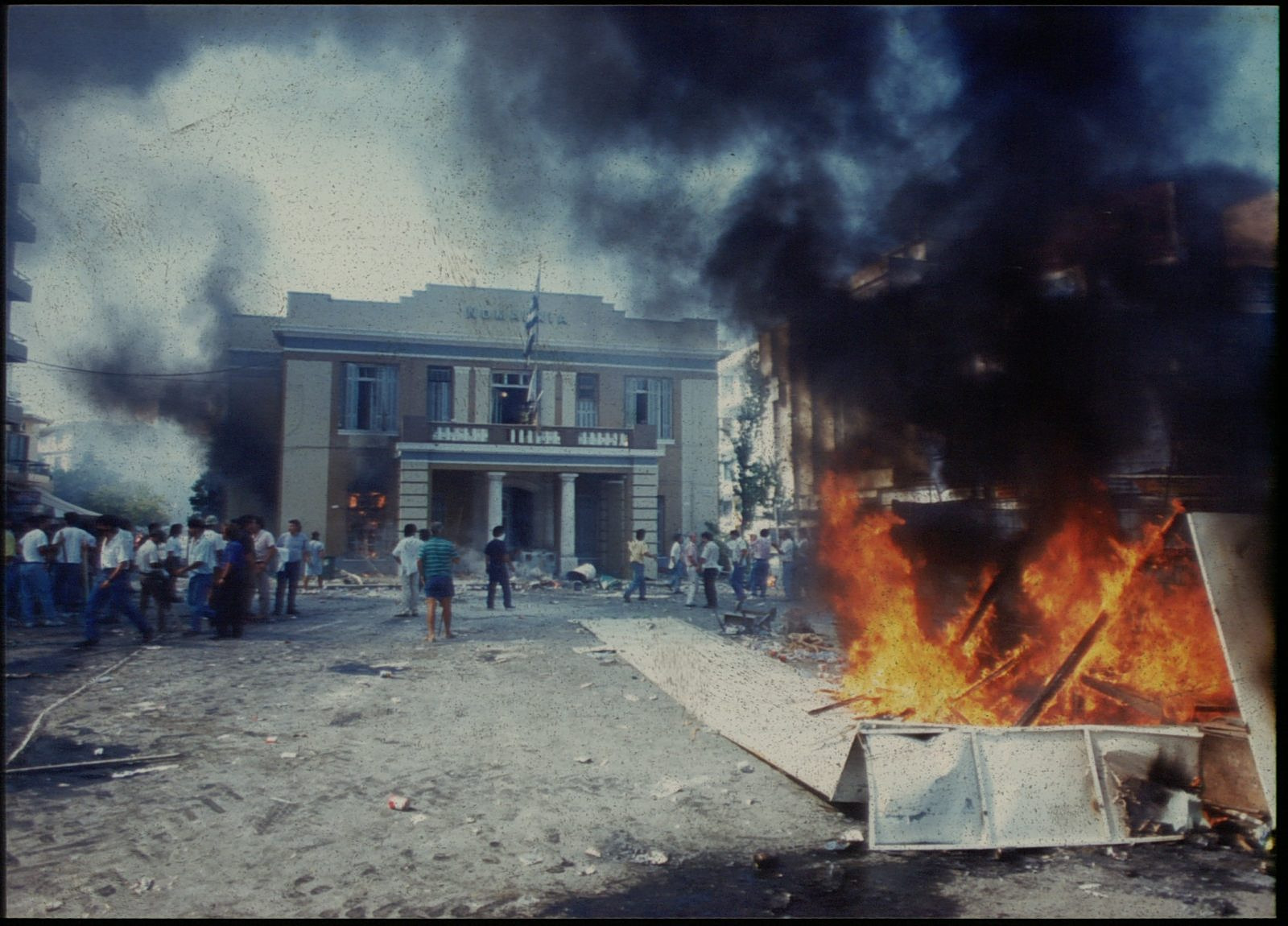
The current wave of farmer protests in Crete is not a sudden outburst—it carries the weight of history. Decades ago, in September 1991, the island witnessed one of the most dramatic social conflicts of modern Greece when a massive demonstration over currant prices and agricultural debts culminated in the Heraklion prefecture fire.
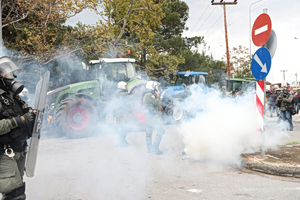
At the time, under the government of Konstantinos Mitsotakis, farmers protested the decline in currant prices, changes to state support schemes, and mounting debts, particularly to the Agricultural Bank. On 30 September 1991, thousands of farmers arrived in Heraklion by bus and agricultural vehicles. Clashes outside the prefecture building escalated, with riot police deploying tear gas, and the building eventually caught fire, causing extensive property damage. Remarkably, no lives were lost.
Authorities responded with arrests, condemning the violence as an attack on democratic order. Farmers, however, described the unrest as a desperate reaction to prolonged economic pressure and systemic neglect. The currant crisis and broader agricultural debt issues remained politically unresolved, leaving structural weaknesses in the island’s agricultural economy unaddressed.
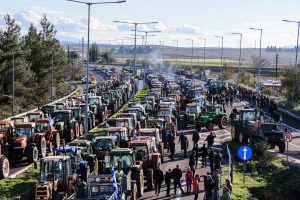
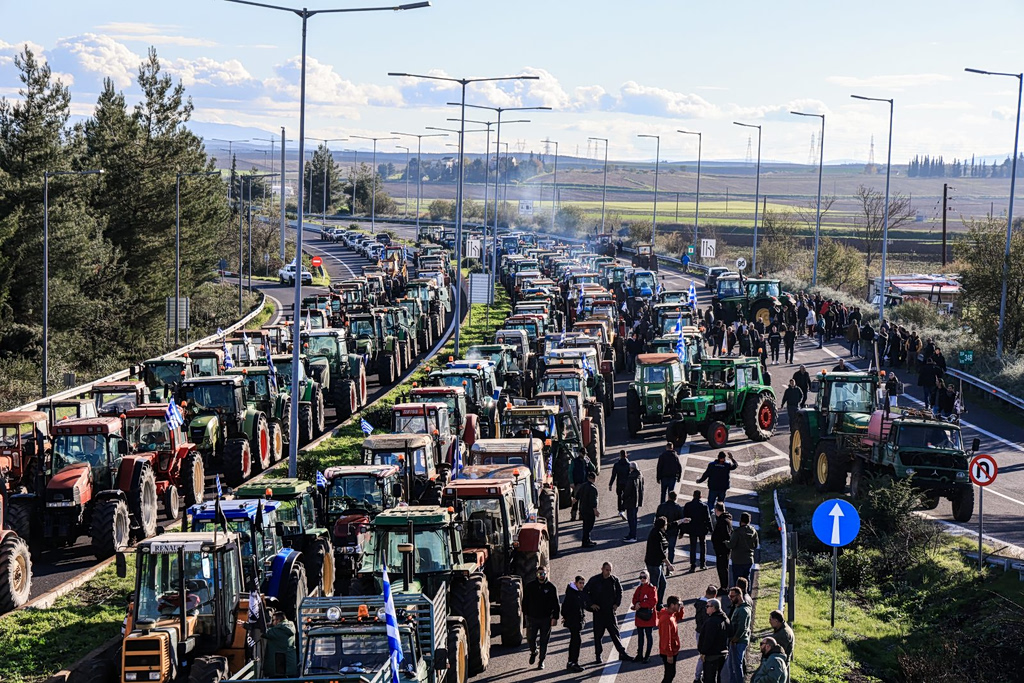
Today, Cretan farmers are once again mobilizing over income, production costs, and subsidies, with roadblocks, demonstrations, and confrontations with authorities. These protests reflect longstanding frustrations rooted in unresolved economic and institutional challenges—reminders that the lessons of 1991 remain relevant as Crete’s agricultural sector seeks stability and recognition.