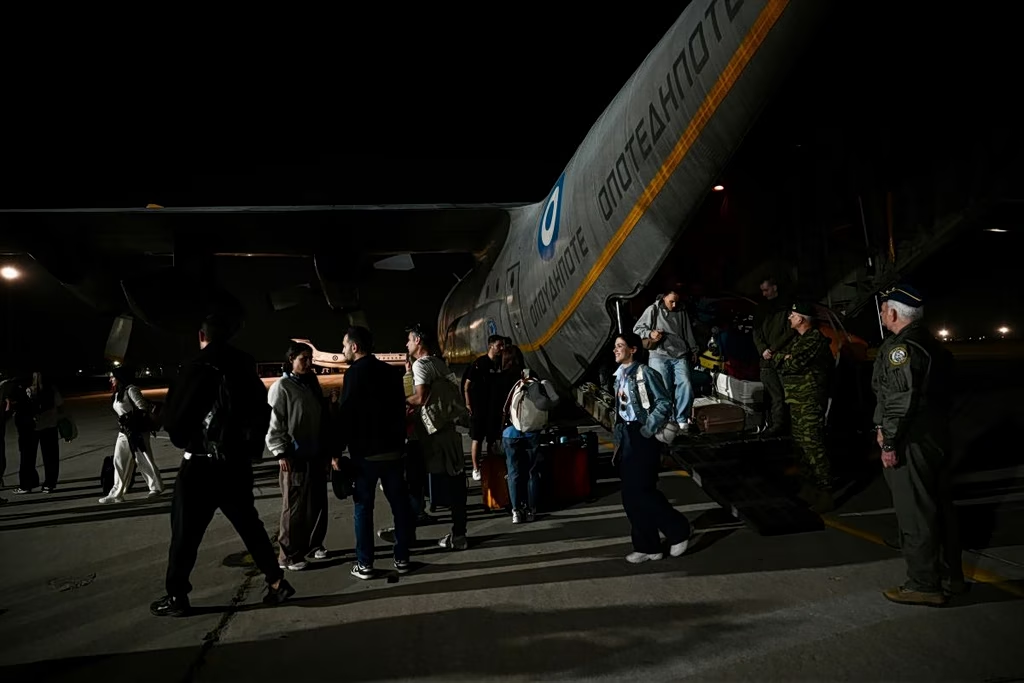
Greece has launched a large-scale operation to repatriate citizens stranded in the United Arab Emirates, Qatar, and other parts of the Middle East following escalating conflicts in the region. The effort is coordinated by the Ministry of Foreign Affairs.
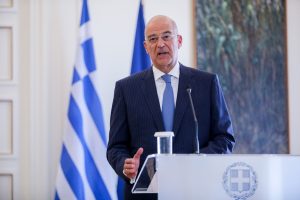
According to Deputy Foreign Minister Giannis Loverdos, the operation is among the most challenging the Greek diplomatic service has undertaken. The highest concentration of stranded citizens is in the UAE and Qatar, where around 1,600 tourists were caught in transit through airports like Dubai and Abu Dhabi. In total, the ministry has received 2,500 repatriation requests, alongside thousands of permanent residents of the region seeking to return.
Priority is given to children, the elderly, patients, and tourists without accommodation options, while permanent residents can return if they wish. Daily flights are conducted based on airspace safety, local authority approvals, and operational windows created by ongoing conflict developments. Military aircraft, including the C‑130, are actively supporting the mission.
Deputy Minister Loverdos praised the efforts of embassy staff, particularly in Abu Dhabi, who managed a high volume of requests with minimal personnel while maintaining continuous contact with stranded Greeks. He also dismissed any rumors regarding threats to the Souda Bay base, assuring that Greece remains one of the safest countries in the area.
In a separate announcement, the Ministry of Foreign Affairs confirmed a special Emirates flight from Dubai to Athens on Saturday, March 7, 2026. Greek citizens still seeking repatriation are instructed to send their personal details—including full name, date of birth, passport number, phone, and email—to sec.gen@mfa.gr with the subject line “REPATRIATION EMIRATES.” Submission is required even for those already registered on the embassy’s platform, after which individual confirmation will follow.