 Μake us preferred on Google
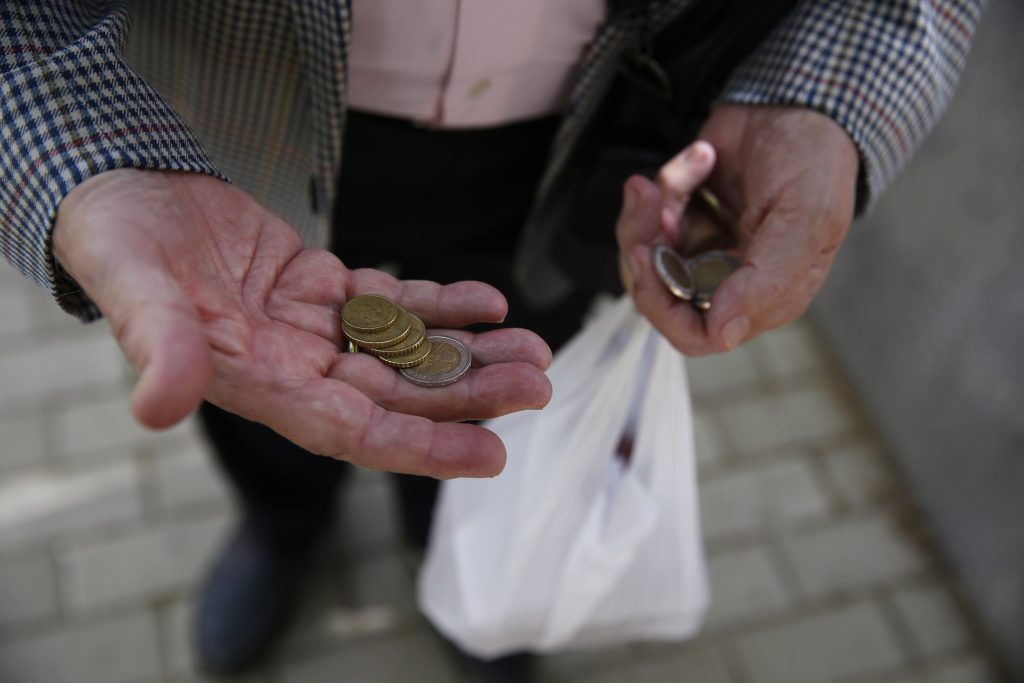
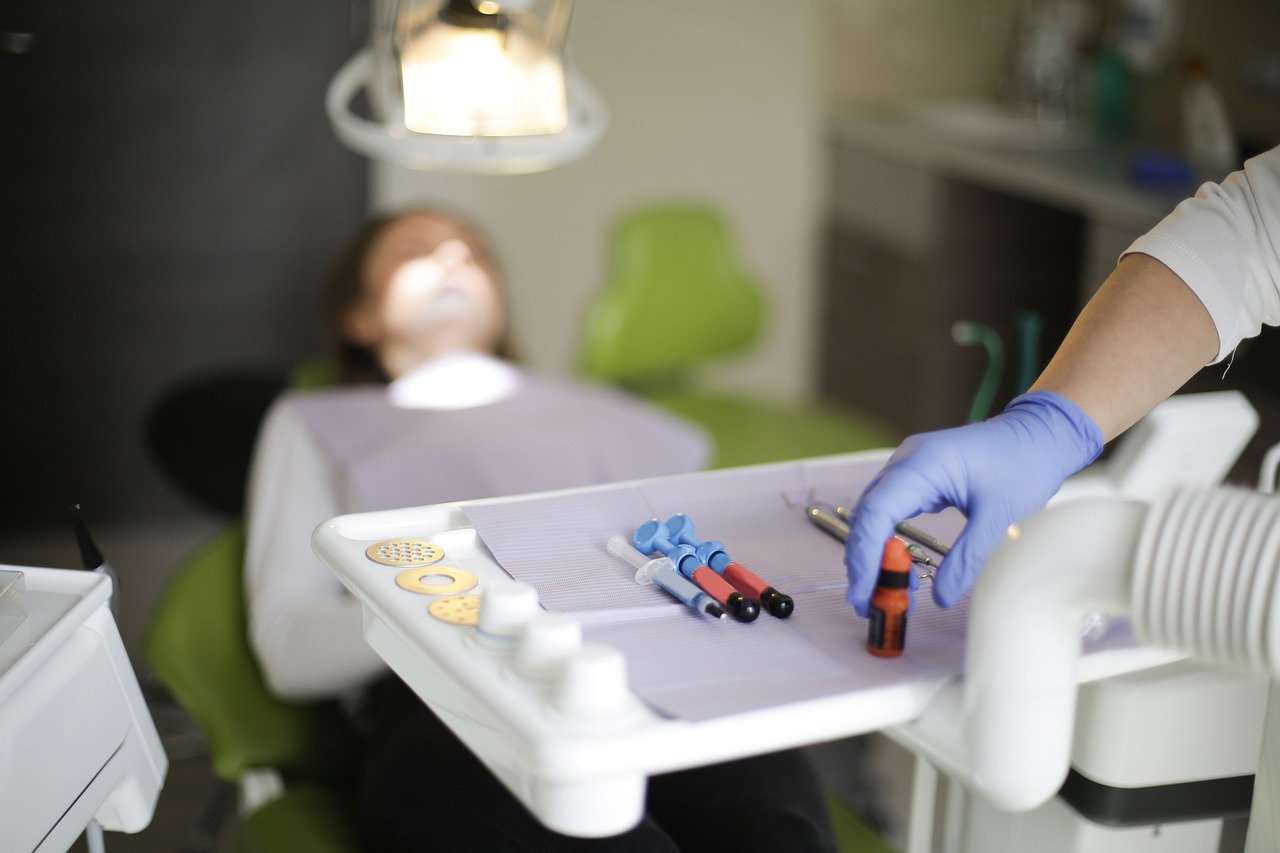
 At least one in four Greeks is unable to afford dental healthcare, according to Eurostat data, a proportion much higher than the EU average.
The figures revealed that in 2024, Greek citizens were significantly worse off than those of other EU members, with 27.1% unable to cover dental costs, compared to Latvia (16.5%) and Romania (16.2%). The lowest percentages were recorded in Malta (0.4%), Germany (0.9%), and Croatia (1.1%).
The findings showed that 6.3% of people over 16 were unable to secure dental healthcare due to either high costs, long waiting lists, or proximity.
The share is even higher among people over 64, reaching 39.5%—meaning 4 in 10 elderly citizens, who typically face the greatest medical needs, cannot access dental care. By comparison, the EU average is less than 1 in 10 (6%).
Data show that across the EU in 2024, 13.7% of people at risk of poverty reported unmet dental care needs, compared with 5.1% among those not at risk. This pattern was consistent in all member states.
Greece, however, recorded what analysts described as a “shameful first place”: 52.8% of people at risk of poverty reported having unmet dental care needs, compared with 22.7% among those not at risk—a gap of 30.1 percentage points. Romania followed, with 43.5% versus 12.6%, respectively, a 30.9-point gap. Significant disparities were also reported in Latvia (24 points) and Portugal (20.5 points).
By contrast, Germany (1.3 points), Malta (1.5 points), and Poland (1.7 points) reported the smallest gaps between low-income and non-poor populations.
The findings add to mounting criticism of Greece’s National Health System (ESY). A separate Eurostat survey revealed that 21.9% of Greeks over 16 who needed a medical examination or treatment reported being unable to access care due to financial reasons, long waiting lists, or distance from providers. That is by far the highest rate in the European Union, where the average stands at 3.6%.