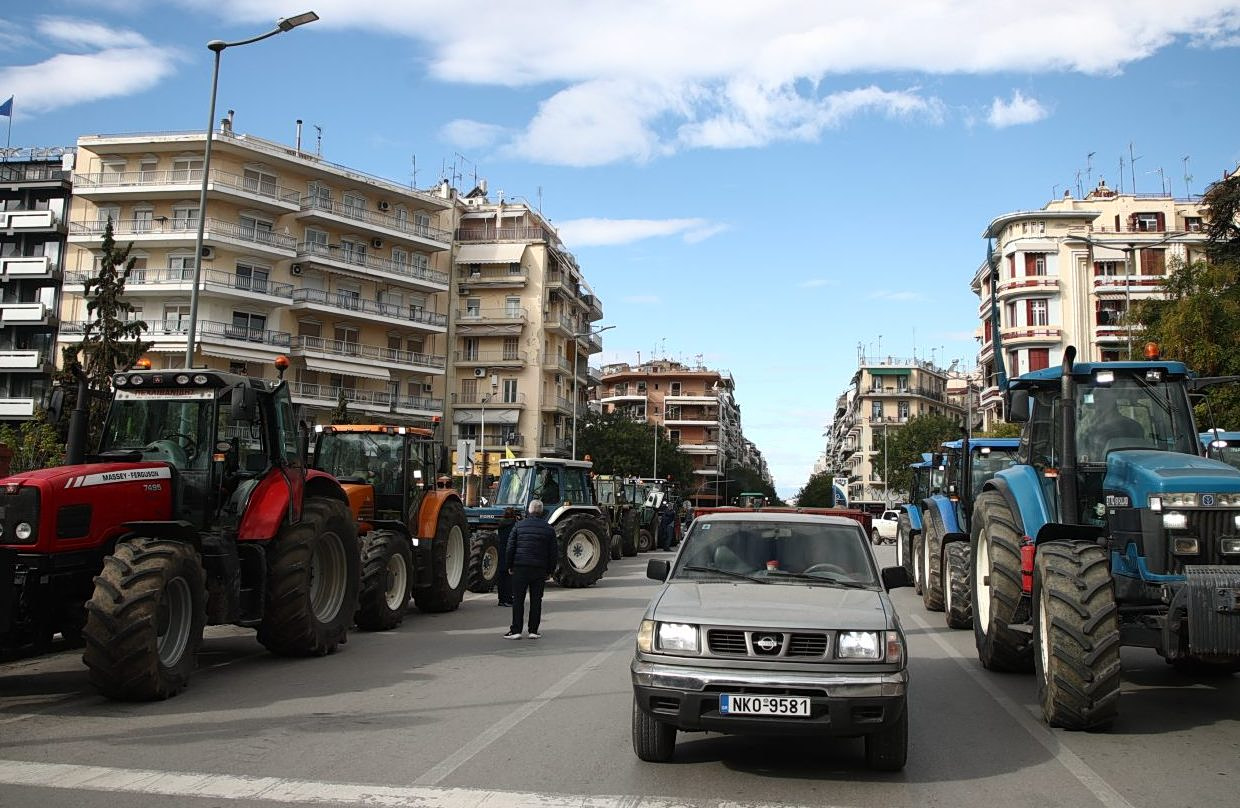
Farmers across Greece are preparing for new waves of protests, with major mobilizations announced in both Thessaly and Crete. The demonstrations will begin on Friday, 28 November, in the regional unit of Chania, while farmers in Thessaly plan to take to the streets on Sunday, 30 November.
The decision follows a meeting held in Karditsa on Wednesday evening. Representatives from the regions of Larissa and Magnesia announced that they will set up a blockade at Nikaia on Sunday at midday, while farmers in Karditsa will move their tractors to the E65 motorway at the same time. Organizers have issued an open call urging farmers from all areas to join the protests and strengthen the movement.
In Crete, local associations of farmers and livestock breeders have also agreed to begin coordinated action on Friday morning. According to Manousos Stavrianoudakis, vice president of the agricultural federation in Chania, their demands aim at “our survival,” adding that farmers will gather with their vehicles at the Mournies junction at 11:00.
Key Demands
Farmers are pressing for the immediate payment of overdue sums as well as the basic support payments they argue should already have been disbursed. They are also calling for minimum guaranteed prices that cover production costs and allow for a sustainable income, alongside broader measures to reduce the cost of agricultural production.
Among their long-standing demands is the provision of tax-free fuel directly at the pump, as well as changes to the national agricultural insurance organization so that crops and livestock are covered and compensated at 100% for all natural disasters and diseases, backed by sufficient state funding.
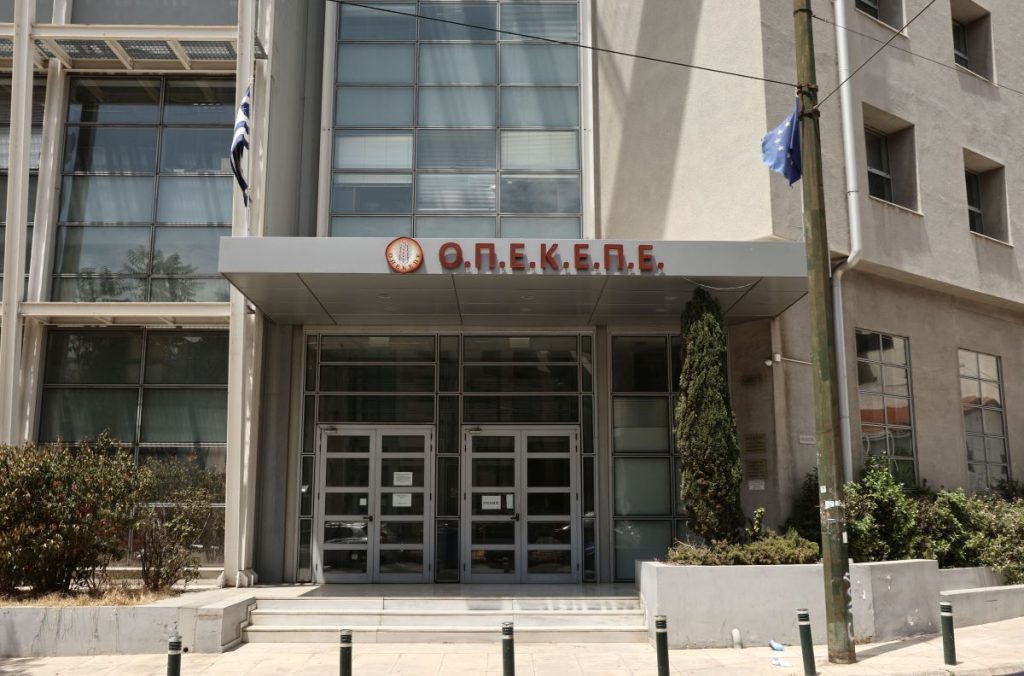
Livestock breeders highlight two urgent issues: the handling of outbreaks of animal disease and the scandal involving the national payment authority, for which they demand the return of misallocated funds to rightful beneficiaries, public disclosure of those responsible and accountability at both political and legal levels.
“These are fair demands, and there will be a nationwide effort that will include Crete,” Stavrianoudakis said.
Farmers in western Crete also stress the long-term decline of rural communities. Giannis Tsepetis of the Voukoliá agricultural association noted that many villages have been hollowed out, as young people abandon agriculture due to unstable prices, inadequate state support and challenges related to disease management and product distribution.