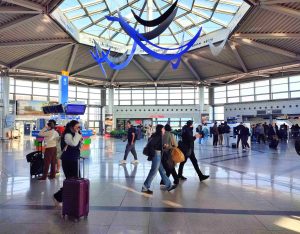
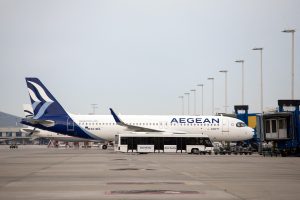
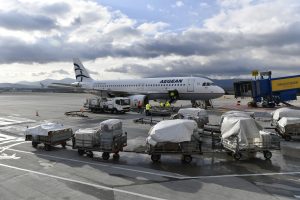
Air traffic controllers in Greece are hardening their stance, escalating a dispute that has already caused major disruptions at Athens International Airport. For the past week, they have capped air traffic at 25% below normal capacity, allowing just 28 takeoffs and landings per hour instead of the usual 36 in summer months.
The measure, in place since last Friday, has led to widespread delays. Morning flights are running 15–20 minutes late, while afternoon departures and arrivals are often pushed back by up to three hours. Passengers are being urged to check with airlines before heading to the airport, as the situation shows no signs of easing.
Behind the turmoil lies a bitter standoff between air traffic controllers and the Ministry of Infrastructure and Transport. Controllers accuse the government of dragging its feet on upgrading outdated radar and air traffic management systems, which they argue are critical for flight safety. They also oppose reforms included in a draft bill restructuring the Civil Aviation Authority.
Tensions escalated further this week after the Hellenic Air Traffic Controllers’ Association (EEEKE) announced an extraordinary general assembly for October 8. The union is expected to endorse a two-year freeze on overtime—essentially locking in the reduced traffic cap until at least the end of 2027. They may also authorize strike action if talks continue to stall.
This hard line has drawn sharp criticism from airlines, which are still handling high passenger volumes during Greece’s extended tourist season. The ministry, meanwhile, has highlighted the generous pay of controllers, noting that with Eurocontrol bonuses, annual earnings can exceed 120,000 euros. Transport Minister Christos Dimas called the salaries “significant by Greek standards,” but controllers counter that net earnings are far lower and place them near the bottom of the European pay scale.
With communication channels between the two sides effectively severed, the dispute is heading toward an open clash. Unless compromise is reached, travelers to and from Greece face two years of prolonged delays—an unsettling prospect for an industry so vital to the country’s economy.