
Houses, roads, golf courses, bricks, and mortar. Across Europe, urban and tourist development is consuming land at an alarming pace. A cross-border investigation by leading media outlets reveals that between 2018 and 2023, the continent lost vast swathes of green space every single day—land that once hosted wildlife, absorbed carbon, and produced food.
According to the Green to Grey investigation, led by the Guardian, the Arena for Journalism in Europe, the Norwegian Institute for Nature Research (NINA), and partners in 11 countries, Europe loses the equivalent of 600 football fields of green land daily. This amounts to roughly 9,000 square kilometers—an area the size of Cyprus—in just five years.
A Silent Crisis in Europe’s Backyard
For the first time researchers have examined the scale of Europe’s disappearing green zones. Satellite imagery and fieldwork reveal a rapid erosion of nature and farmland, driven by construction and expansion.
Turkey, Poland, France, Germany, and the United Kingdom top the list of countries with the greatest losses. Housing and road construction account for about a quarter of the damage, while luxury tourism, industrial projects, and consumer developments make up much of the rest.
“Land lost to development is one of the main drivers of wildlife decline and biodiversity loss,” warns Steve Carver, Professor of Wildland Studies at the University of Leeds. “But we’re also sacrificing farmland and productive soils as cities expand into the green belt.”
When “Luxury” Trumps Protection
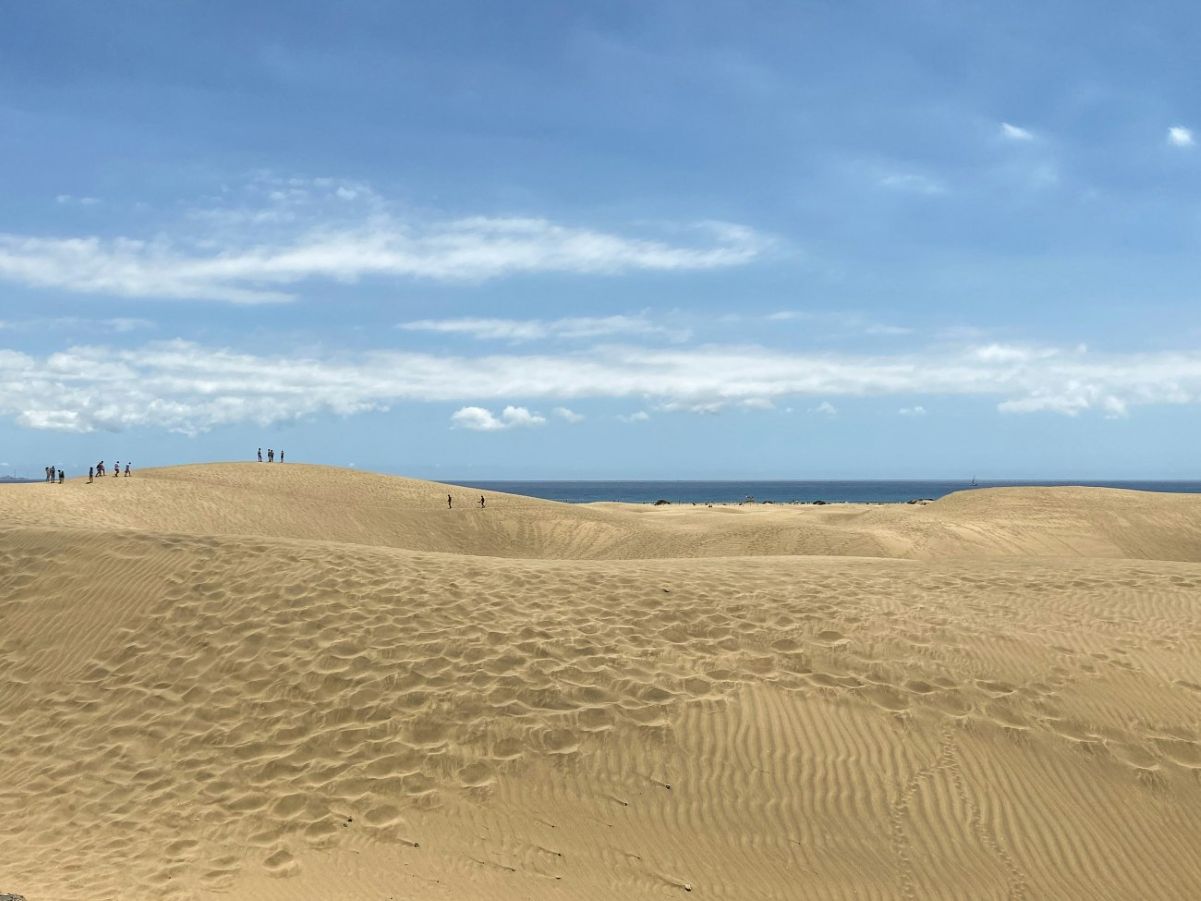
Examples abound. In Portugal, 740 acres of dunes in a Natura 2000-protected area were bulldozed for the CostaTerra Golf and Ocean Club, where properties sell for 6.5 million euros. The resort, marketed as “simple European luxury,” is estimated to consume 800,000 liters of water daily to maintain its greens.
In Turkey, the Caltılıdere wetland near İzmir—once a sanctuary for flamingos and a natural flood defense—was buried under concrete for a luxury yacht marina.
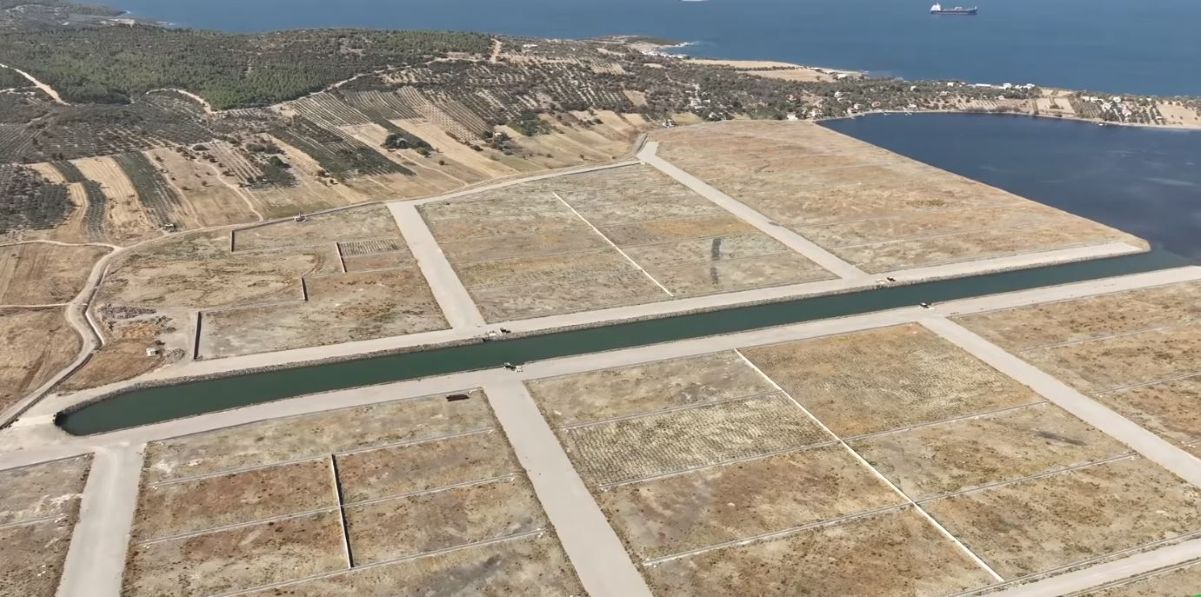
Source: Green to Grey
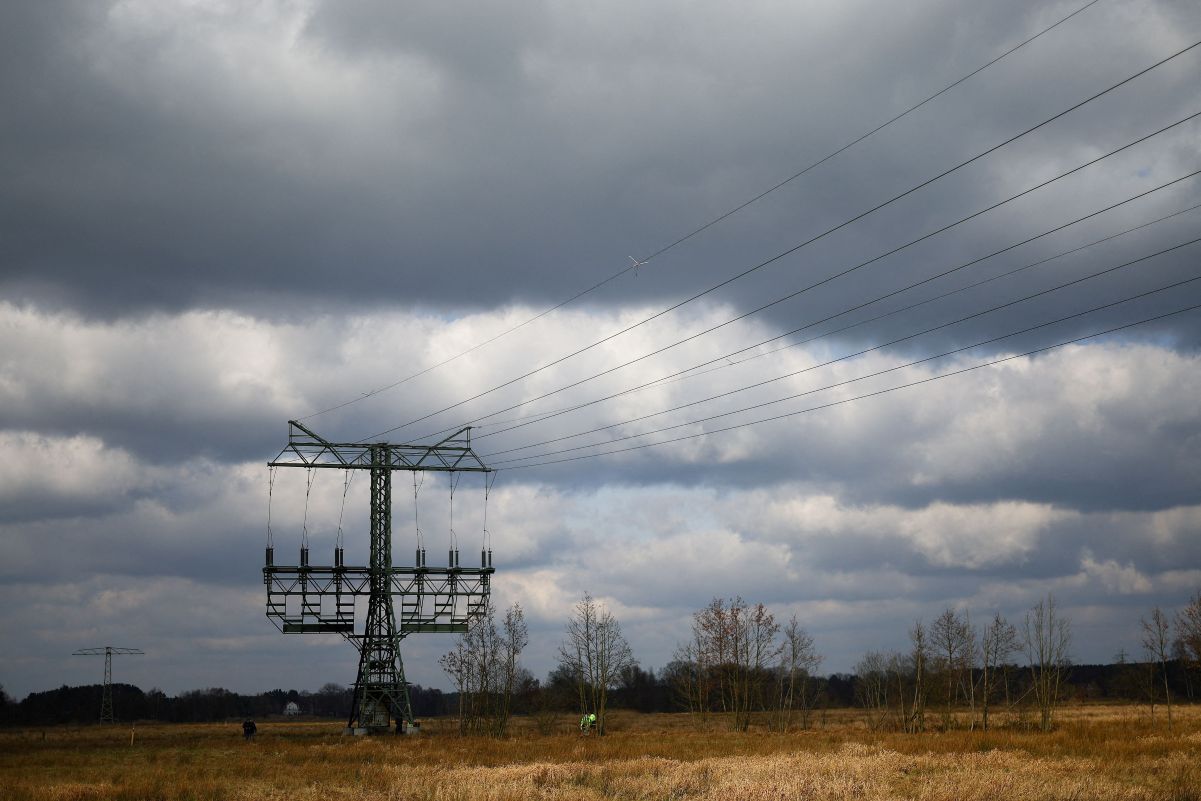
Meanwhile, Germany cleared half a million trees near Berlin to make way for Tesla’s gigafactory, now set to double its production capacity.
A Europe-Wide Pattern
The investigation covered 30 countries, representing 96% of the European Environment Agency’s territory. Every single one showed losses of natural or agricultural land. The picture is clear: Europe’s race for economic growth and luxury living is steadily replacing its green heart with concrete and asphalt.