Greece’s public healthcare system is under scrutiny in international media, with the Swiss newspaper Neue Zürcher Zeitung (NZZ) publishing an extensive report on its current struggles. According to the article, the Greek National Health System (ESY) “is in poor condition, underfunded, and facing serious staff shortages.”
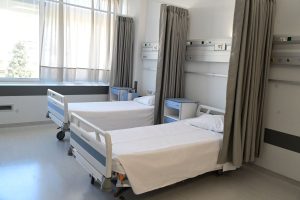
The report paints a grim picture for patients, noting that medical equipment is often lacking, hospital buildings are poorly maintained, and the shortage of doctors and nurses is acute. One example highlighted occurred last summer in a public hospital in Heraklion, Crete, where a piece of the ceiling fell on a heart patient while water leaks went unnoticed on the upper floor.
NZZ emphasizes that the Greek healthcare system “went into intensive care” during the financial crisis due to budget cuts. Despite the country now enjoying a budget surplus and a Greek Finance Minister holding the Eurogroup presidency, improvements in hospitals remain uncertain.
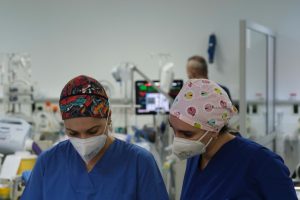
Staff shortages are particularly pronounced in tourist hotspots. Many doctors have left Greece due to low salaries, while rising housing costs in areas such as Chania worsen the problem. Recently, 14 nurses resigned from the Chania hospital alone, with some reportedly opting to work in the hospitality industry instead.
The system’s shortcomings affect even wealthier Greeks, illustrated tragically by the death of the daughter of former Prime Minister Antonis Samaras last August.
The NZZ notes that the Greek Health Ministry has pledged numerous new hires and long-term plans to provide housing for medical staff. However, whether salaries will rise enough to attract sufficient personnel remains uncertain. Currently, Greece spends just 5.5% of GDP on healthcare, significantly below the EU average of 7.5%.