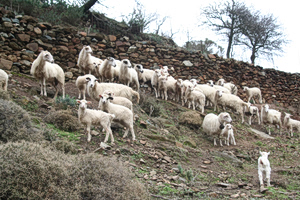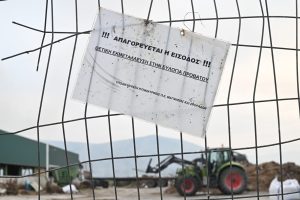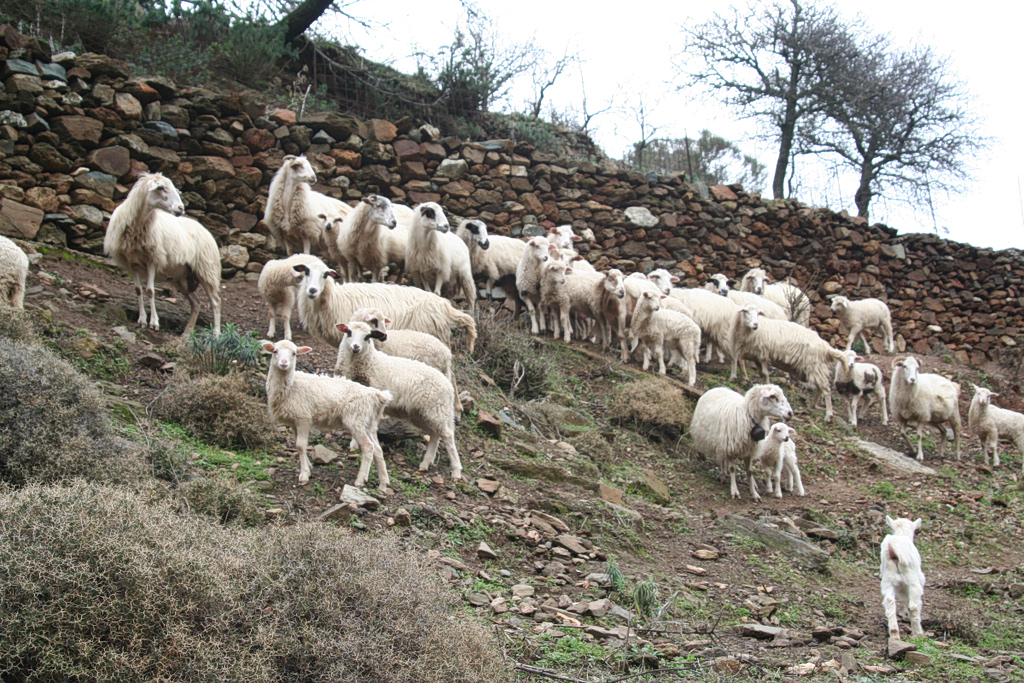
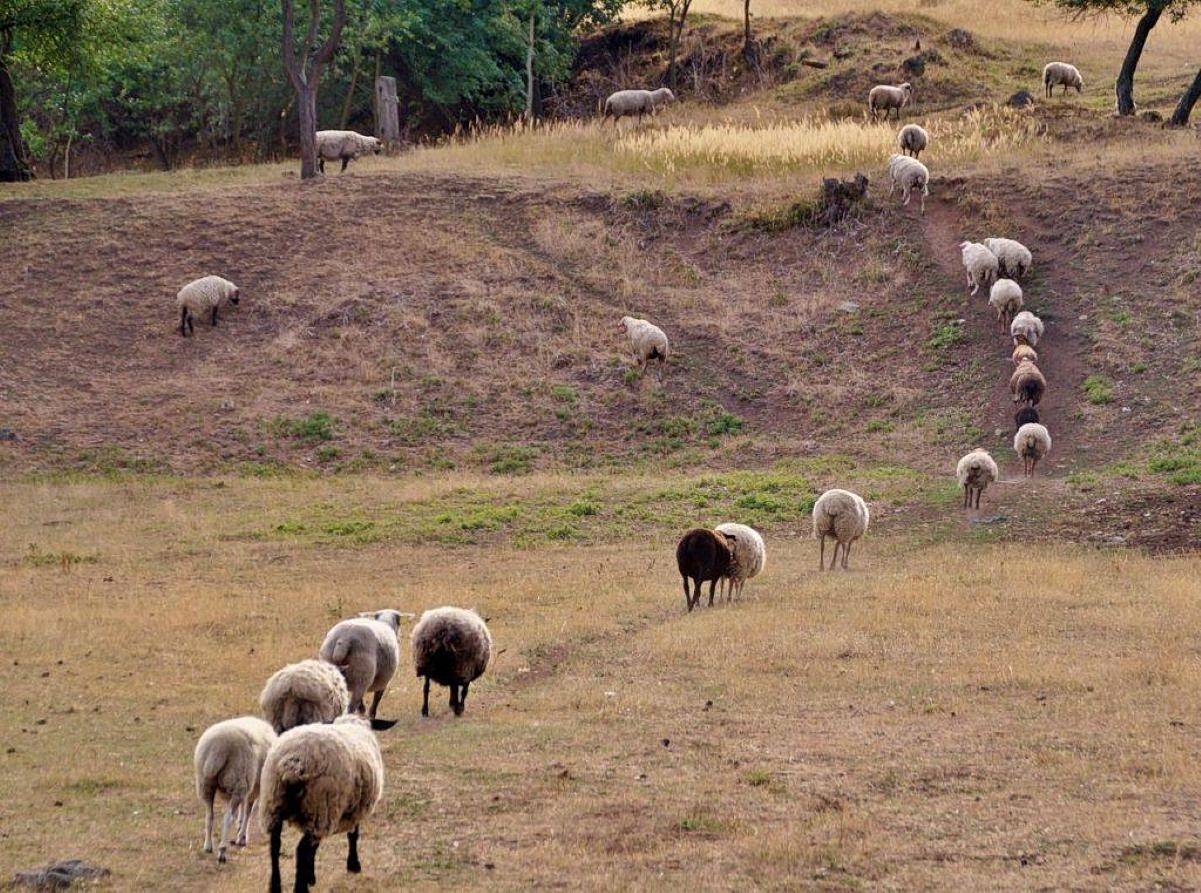
Greece is grappling with a rapidly escalating outbreak of sheep pox that has taken on alarming proportions, posing a severe threat to the country’s livestock sector. More than 420,000 animals have already been culled as authorities race to contain the disease.
According to updated data released by the Ministry of Rural Development and Food and the National Scientific Committee for the Management and Control of Sheep Pox—based on reports from Veterinary Services—1,754 confirmed cases were recorded from Aug. 2024 to Nov. 23, 2025, affecting 2,192 farms nationwide.
In total, 423,125 animals have been euthanized under mandatory health protocols. The hardest-hit region is Larissa, with 239 cases across 343 farms, followed by Xanthi, Serres, Evros and Rodopi. Cases were also reported on farms in Achaia, Magnesia, and Aetolia-Acarnania with 95 cases.
The latest reporting week, Nov. 17–23, saw 52 new infections across 14 regional units. Aetolia-Acarnania recorded the highest weekly rise with 16 new cases, followed by Achaia, Ilia, and Serres with six each, while Rodopi reported four.
In a joint statement, the ministry and the national scientific committee emphasized that their management plan remains fully in force. Key priorities include:
• strict enforcement of biosecurity measures on farms,
• stronger coordination among veterinary and inspection services,
• close cooperation with regional authorities, and
• support for affected livestock farmers.
Authorities stress that sustained vigilance and compliance with health protocols are essential to halt the disease’s destructive advance.