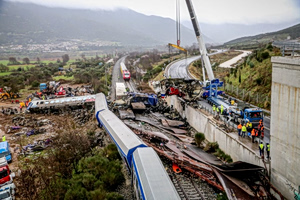
Greece’s top court, Areios Pagos, has called for restraint and respect as the high-profile trial over the deadly Tempi train crash gets underway, urging all parties to ensure a smooth judicial process.
In a detailed statement, the court stressed that those involved must recognize their responsibility and contribute to the proper conduct of the proceedings, warning against disruptive behavior by individuals not directly linked to the case. It emphasized that incidents resembling protest-style unrest have no place in the courtroom and could jeopardize both safety and justice.
Trial location and scale clarified
The court reaffirmed that the trial will take place in Larissa, following a previous decision rejecting requests to move it elsewhere. The venue was selected due to the scale of the case, which involves 36 defendants and hundreds of participants, including lawyers, witnesses, and victims’ relatives.
Authorities noted that the specially adapted venue offers hundreds of seats and includes audiovisual systems to allow attendees to follow proceedings. The court also underlined that large trials often face logistical challenges at the outset, which typically improve as hearings progress.
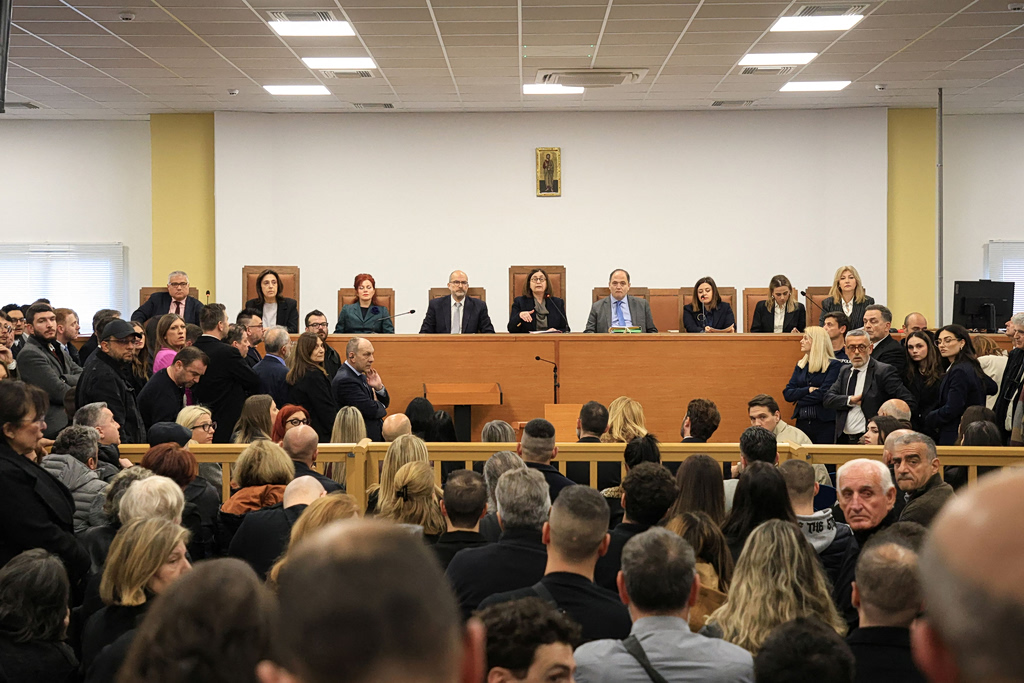
A general view of the venue, prior to the start of the trial of the Tempi train crash, that killed 57 people in Larissa, Greece, March 23, 2026. REUTERS/Kostas Mantziaris
Call to protect judicial process
The statement highlighted that attempts to delay or obstruct the trial had been recorded in recent weeks, including actions deemed unlawful. It warned that such behavior undermines the rule of law and could impact the timely delivery of justice.
“The demand of society is for the trial to begin, proceed, and conclude with accountability,” the court said, adding that only judicial rulings—not public pressure—can determine responsibility.
Families and lawyers raise concerns
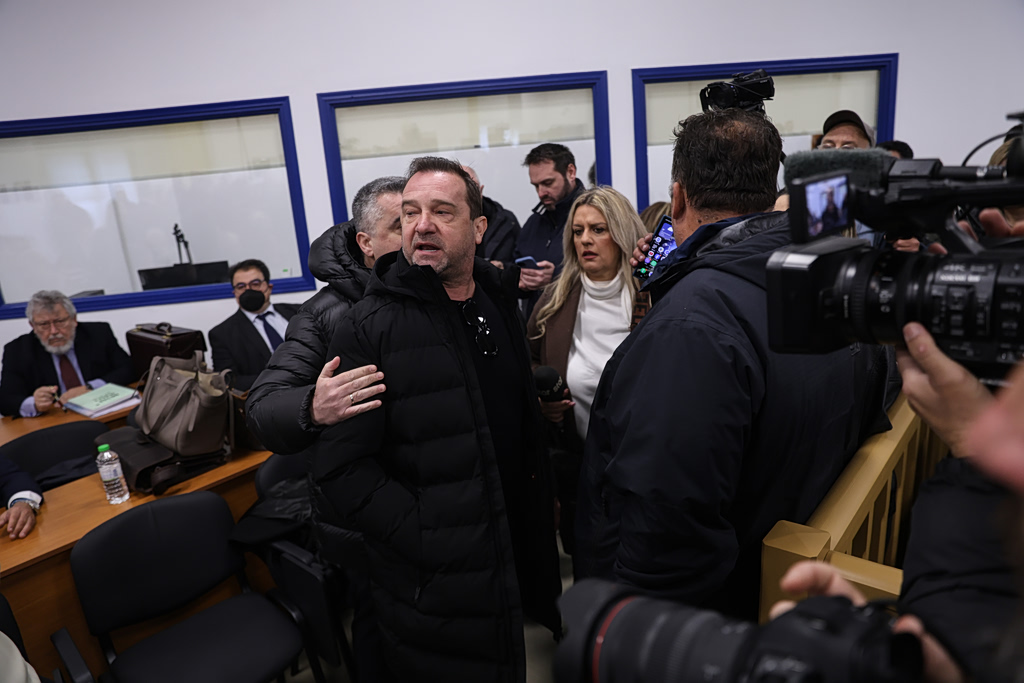
Start if the trial of the Tempi railway accident, at the `Geopolis` conference center of the University of Thessaly Larissa, Greece on March 23, 2026.
Despite the court’s assurances, victims’ families, survivors, and legal representatives expressed frustration over the conditions during the first day of the trial. They described overcrowding, limited seating, and inadequate technical infrastructure, making it difficult to follow proceedings.
Lawyers also raised concerns about the legal framing of the case, arguing that key elements—such as the cause of certain deaths—may not be fully reflected in the charges. Some called for further investigation into additional potential offenses.