The European Commission is taking Greece and Cyprus to the EU’s highest court over what it says are continuing failures to comply with waste management rules.
In a decision announced Thursday, the Commission said both countries had not adequately implemented requirements under the EU Landfill and Waste Framework directives. It also concluded that measures taken so far to correct the problems have been insufficient.
Greece faces action over dozens of landfills
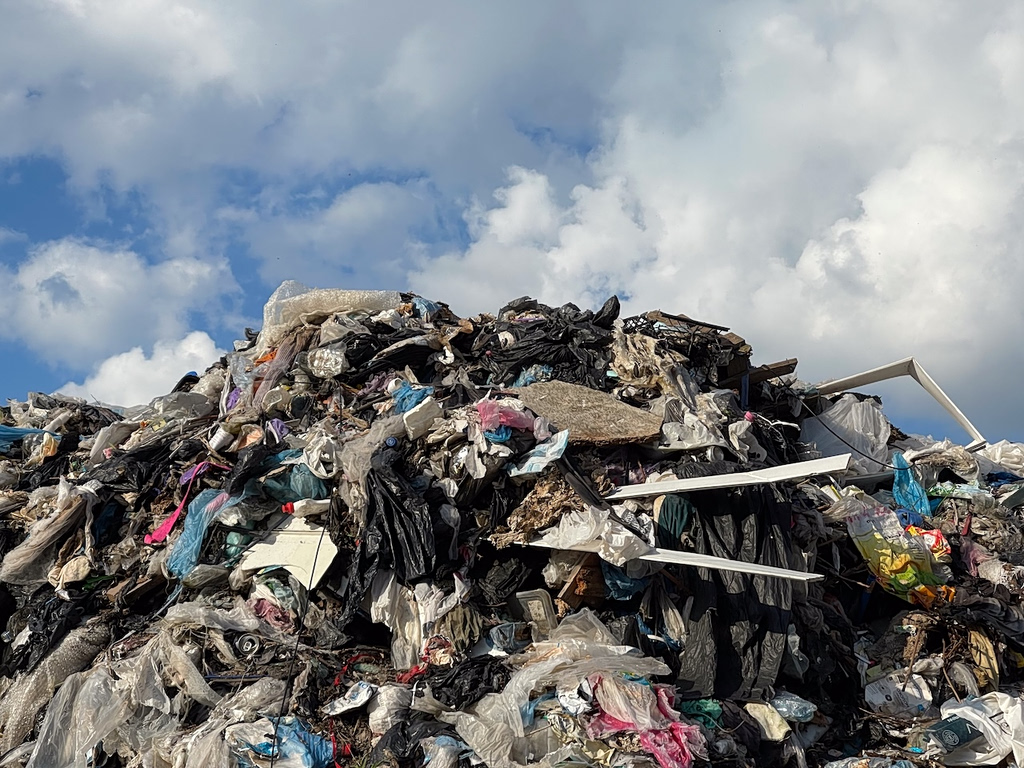
The Commission has repeatedly warned Greece about its failure to comply with EU waste legislation. In November 2021, a formal notice was sent. A reasoned opinion followed in December 2024, identifying shortcomings at 84 landfill sites and concerns over the country’s wider waste treatment infrastructure.
According to Thursday’s statement, Greece has not established a sufficiently integrated network of waste management facilities capable of meeting EU requirements and applying appropriate treatment methods. After reviewing information submitted by the Greek authorities, the Commission said three of the 84 landfills had been closed. Of the remaining 81 sites, however, 66 were still considered non-compliant — equivalent to about 81% of the sites assessed. It also found that there were not enough facilities in the country equipped to treat mixed municipal waste before it is sent to landfill sites.
What EU waste rules require
The EU Landfill Directive sets out the requirements for the operation of landfill sites with the aim of limiting risks to human health and preventing pollution of soil, air, surface water and groundwater. Among other requirements, member states must ensure that waste sent to landfill sites has undergone appropriate treatment.
The Waste Framework Directive provides the broader legal framework for waste management across the Union. It lays out principles concerning waste prevention, recycling, recovery and disposal, while requiring waste to be handled in ways that do not pose a risk to human health or damage the environment. The rules also prohibit the uncontrolled abandonment, dumping or disposal of waste.
Following an assessment of Greece and Cyprus, the Commission said both countries continued to face inadequate capacity for treating waste before landfilling, particularly mixed municipal waste.
Persistent waste problems in Greece
Greece has faced previous EU infringement procedures and legal action over shortcomings in its waste management system, including cases that have resulted in financial penalties. Problems with waste disposal and wastewater management have also continued to emerge at the local level.
This year alone, footage emerged showing a municipal vehicle dumping construction debris, bulky waste and other materials at an unofficial location in Halkidiki, northern Greece. The incident prompted an investigation by authorities.
In a separate case, a malfunction at a wastewater treatment facility in Nikiti, also in northern Greece, resulted in untreated sewage being discharged into the sea.
Meanwhile, incidents of illegal dumping of bulky waste persist in both Athens and Thessaloniki.
The latest Commission decision moves the dispute involving Greece and Cyprus to the European Union’s Court of Justice, where both countries will face further legal proceedings over their implementation of waste legislation.
M.P.