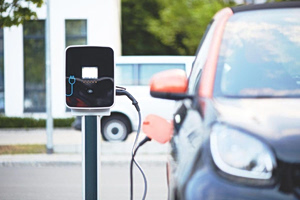
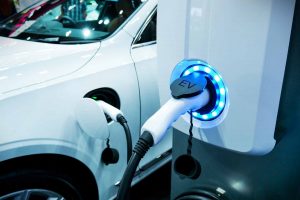
Greece is falling behind in the development of electric vehicle (EV) charging infrastructure, despite steady growth in adoption since the introduction of government incentives in 2020.
According to data from the Ministry of Infrastructure and Transport, the country currently has around 3,900 publicly accessible charging stations and more than 9,100 total charging points. However, experts say this remains insufficient to support widespread EV use, particularly for long-distance travel.
Infrastructure Gaps Slow Progress
While the number of electric vehicles on Greek roads has increased significantly in recent years, the pace of infrastructure development has not kept up with expectations. Industry observers note that the initial momentum has slowed, largely due to limited availability of charging stations and a shortage of fast-charging options.
Energy economics professor Pantelis Capros highlighted that the lack of a reliable charging network is one of the biggest barriers to further growth. Without adequate infrastructure, drivers cannot use their vehicles freely across the country, especially outside major urban centers.
Regional Distribution Uneven
Charging infrastructure is concentrated in certain regions. More than 1,000 public charging stations are located in the Attica region, while northern Greece has around 700. Other areas include roughly 300 stations in Crete, 400 across the Aegean islands, and about 950 in western Greece and the Peloponnese.
Despite this distribution, coverage gaps remain, particularly in rural areas and along major transport routes.
Greece Trails EU Peers
Compared to other European Union countries, Greece’s charging network remains limited. Across the EU, there were more than 851,000 public charging stations by the third quarter of 2025, with countries like Germany, France and the Netherlands accounting for over 60% of the total.
Electric vehicle market share in Greece also lags behind larger markets. Between January and September 2025, fully electric cars accounted for 5.5% of new registrations in Greece, significantly lower than figures in countries such as Germany and France.
Industry Calls for More Support
Despite early growth driven by incentives, industry representatives say additional measures are now needed to sustain momentum. These include expanding charging infrastructure, offering more operational benefits for EV users, and prioritizing zero-emission vehicles in urban logistics.
At the same time, Greece faces another structural challenge: an aging vehicle fleet. Around half of all passenger and commercial vehicles on the road are over 20 years old, contributing to pollution, higher maintenance costs and reduced road efficiency.
Taxi Drivers Push Back
The transition to electric mobility has also sparked resistance among taxi drivers, who are awaiting further details on new regulations affecting their sector.
Drivers argue that current charging times—often three to four hours for a full charge—make electric vehicles impractical for professional use, effectively reducing working hours. Concerns have also been raised about the limited availability of fast chargers and the long-term cost of battery replacement.
Taxi industry representatives estimate that around 30,000 taxis operate in Greece, with up to 70,000 drivers potentially affected by the shift toward electrification.