 Μake us preferred on Google
 The European Union is preparing to introduce ‘Made in EU’ rules for the auto sector as part of a broader Industrial Accelerator Act, aiming to revive local manufacturing and strengthen the bloc’s electric vehicle industry. However, the plan has sparked concern among automakers, trading partners, and some member states over supply chain disruptions and potential retaliation.
Due to be unveiled on Wednesday, the proposals would require electric vehicles to have at least 70% of their component costs manufactured within the EU—excluding battery cells—to qualify for subsidies. A minimum level of EU content would also apply to battery packs, though the rules account for China’s dominant role in the global battery supply.
Divisions Among EU States and Industry
Member states are divided over the proposals. France favors a more protectionist approach to preserve domestic jobs, while Germany warns that strict local-content requirements could trigger trade retaliation from major markets, particularly China, where German automakers sell more than a quarter of their vehicles.
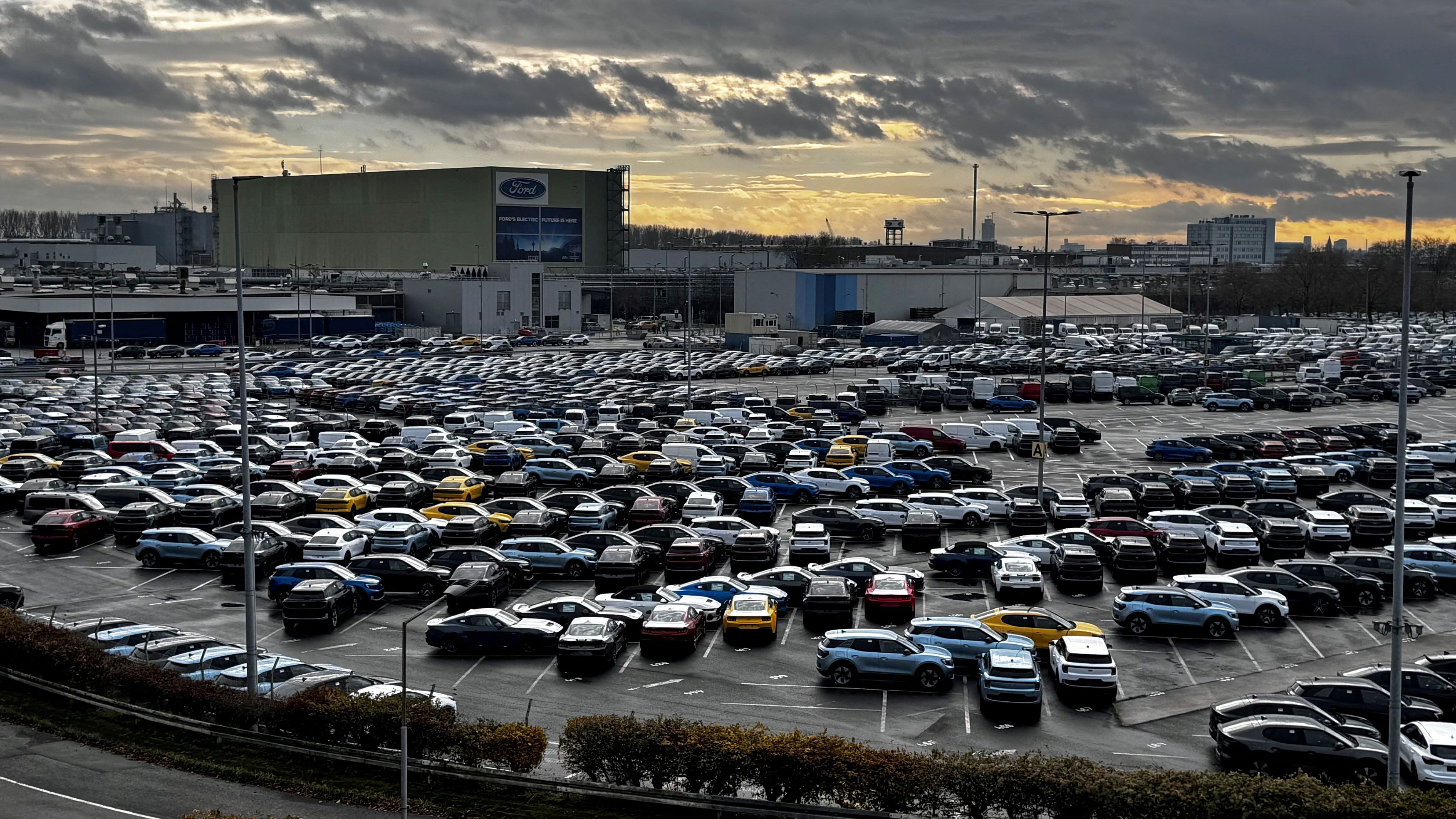
Automakers like Ford and Jaguar Land Rover, which rely on non-EU supply chains, have lobbied Brussels for flexibility. Britain, Turkey, and Morocco have expressed interest in joining such rules, but only if they are not excluded. “Excluding them would weaken production inside the EU itself,” said Jim Baumbick, Ford’s European president.
Industry figures warn that inaction could risk the relocation of European manufacturing. Christophe Perillat, CEO of French auto supplier Valeo, said, “If we don’t do this, there will be massive relocations. I’ve never seen an industry go and come back.”
Compliance and Complexity
Determining whether vehicles meet the local-content threshold is not straightforward. A2MAC1, a firm that evaluates automakers’ supply chains reviewed two European-made EVs for Reuters – Volkswagen’s ID.3 and Renault 5. The ID.3 sourced 86% of its parts from the EU, while the Renault 5 had 51% EU content by value—41% came from China. Excluding battery costs lifts the Renault 5’s EU content to around 76%, meeting the proposed threshold.
The EU proposal would count only parts from member states plus Iceland, Liechtenstein, and Norway, though it could include “trusted partners” under World Trade Organization rules. Including Turkey is seen as strategically important but may create loopholes for Chinese manufacturers to qualify for subsidies through low-cost Turkish plants.
“It really is like walking on eggshells,” said Chris Heron, secretary-general of E-Mobility, highlighting the fine balance Brussels must strike between supporting local production and avoiding trade disputes.