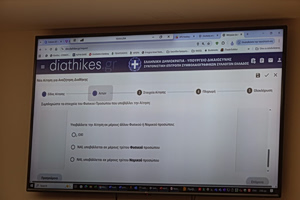
Greece is moving forward with plans to introduce a comprehensive digital registry that will record all welfare benefits received by citizens, in a bid to improve transparency and prevent overlapping payments.
The initiative, led by the Ministry of National Economy and Finance, is currently in the preparation phase, with a dedicated task force established to accelerate its implementation. The system will create a centralized database where all state-provided benefits—such as unemployment, housing, child support, and heating allowances—are recorded for each individual.
Authorities say the platform will compile detailed information on beneficiaries, including personal data, tax identification numbers, family status, and financial profiles. The project is being technically and operationally managed by Greece’s independent public revenue authority.
Once operational, the registry will provide a complete overview of who receives what type of financial support and in what amount. Officials expect that cross-checks within the system will help identify cases where individuals receive benefits they are not entitled to, as well as instances of multiple or overlapping payments.
The government estimates that social benefits currently cost the national budget more than €13 billion annually. By mapping all welfare support into a single system, authorities aim to address existing inefficiencies and ensure a fairer distribution of resources.
Each beneficiary will be assigned a unified digital profile, which will include all benefits they receive, regardless of the source. Officials believe this approach will help correct imbalances and better target support to those who need it most.
The task force overseeing the project will coordinate with government bodies and agencies to address technical and regulatory challenges during both the pilot and full implementation phases. It will also evaluate the system’s performance and propose improvements, including the potential expansion to additional types of benefits.
The group is expected to operate through the end of 2026, with the possibility of an extension depending on the project’s progress and future requirements.