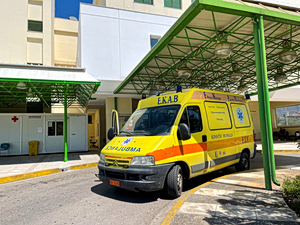
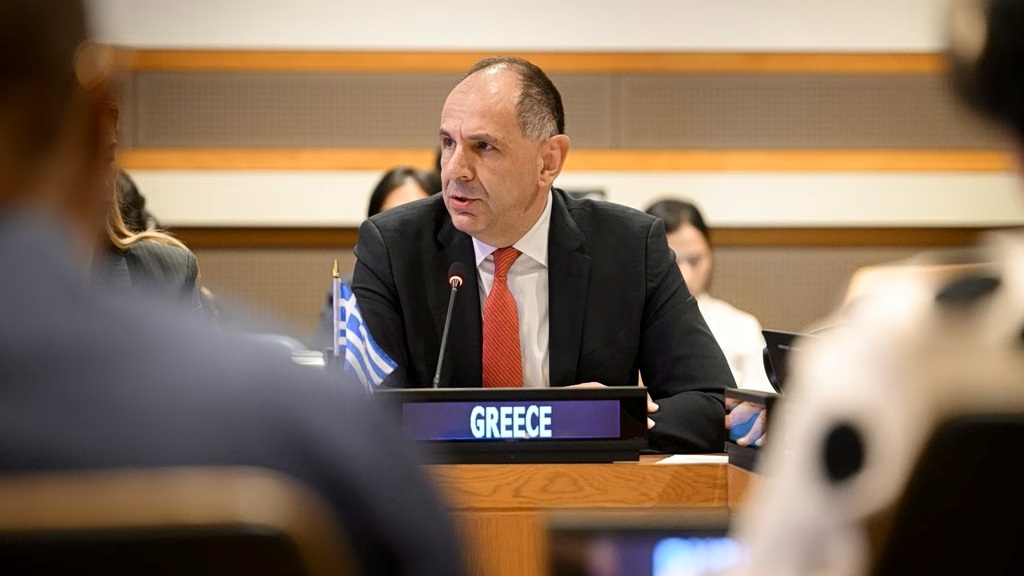
Greece is preparing a significant overhaul of its public healthcare system, with plans for thousands of new hires and widespread upgrades to medical facilities across the country, according to government statements.
The initiative includes 8,000 new positions within the national health system, alongside a broad program to modernize 243 healthcare structures. These interventions form part of a wider strategy to improve public health services and infrastructure efficiency.
Thousands of new healthcare jobs planned
Under the recruitment plan, 5,000 permanent positions and 3,000 temporary roles are expected to be filled. In addition, 850 new doctor posts will be announced immediately.
Officials report rising interest in public healthcare jobs, including in the capital region, while staffing levels in remote areas are also improving.
To support recruitment in underserved regions such as islands and rural communities, financial incentives of up to €1,500 per month are being offered, alongside additional support from local authorities. According to the ministry, two-thirds of previously vacant positions in remote areas have already been filled.
Major upgrades to hospitals and clinics
The infrastructure program includes the renovation of 86 emergency departments and the upgrading of 157 primary healthcare centers. Several projects have already been completed, while most remaining works are expected to be delivered within the coming months.
More complex projects are scheduled for completion by August 2026. Authorities also noted that any projects unable to meet deadlines will be transferred to alternative funding mechanisms rather than cancelled.
Reduced waiting times in emergency care
One of the most notable improvements reported is a reduction in average waiting times at emergency departments, which have fallen from around nine hours to approximately four and a half hours.
Officials attribute this improvement to increased staffing, upgraded facilities, and the introduction of a patient tracking system designed to streamline admissions and treatment flow.
Broader health and social policy reforms
Alongside healthcare reforms, government officials also highlighted wider policy discussions, including judicial transparency measures and the protection of minors online.
The restriction of social media access for children under 15 has been described as a public health measure aimed at reducing sleep disruption, concentration issues, and psychological strain. The policy is expected to take effect in January 2027, following further European-level consultations.