 Μake us preferred on Google
 It seemed like Donald Trump’s appetite for risk had run out, and his fears were ramping up.
It was Good Friday afternoon in a nearly empty West Wing soon after the president learned that an American jet had been shot down in Iran, with two airmen missing. Trump screamed at aides for hours. The Europeans aren’t helping, he said repeatedly. Gas prices averaged $4.09. Images of the 1979 Iranian hostage crisis—one of the biggest international policy failures of a presidency in recent times—had been looming large in his mind, people who have spoken to him said.
“If you look at what happened with Jimmy Carter …with the helicopters and the hostages, it cost them the election,” Trump had said in March. “What a mess.”
Trump demanded that the military go get them immediately. But the U.S. hadn’t been on the ground in Iran since the government overthrow that led to the hostage crisis, and they needed to figure out how to get into treacherous Iranian terrain and avoid Tehran’s own military. Aides kept the president out of the room as they got minute-by-minute updates because they believed his impatience wouldn’t be helpful, instead updating him at meaningful moments, a senior administration official said.
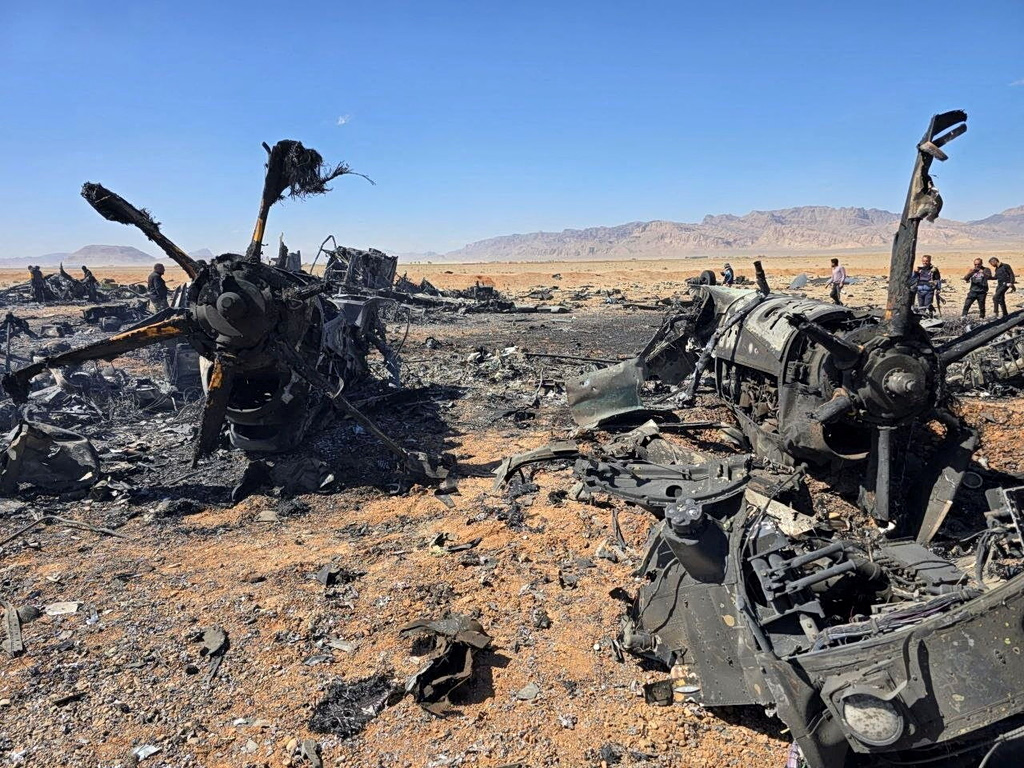
An image released on April 5, 2026, and obtained from social media appears to show wreckage of an American aircraft and a helicopter rotor in Isfahan, Iran, which forensic imagery analyst William Goodhind said is consistent with a U.S. MC‑130J or HC‑130J, amid the U.S.-Israeli conflict with Iran. Social Media/via REUTERS. THIS IMAGE HAS BEEN SUPPLIED BY A THIRD PARTY. MANDATORY CREDIT. NO RESALES. NO ARCHIVES. TPX IMAGES OF THE DAY
One airman was recovered quickly, but it wasn’t until late Saturday that Trump received word that the second airman had been rescued in a high-stakes extraction. What could’ve turned into the lowest point in Trump’s two terms, wouldn’t. After 2 a.m., Trump, too, went to bed.
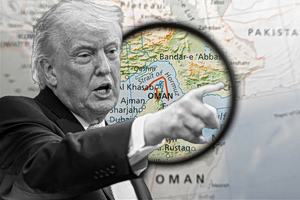
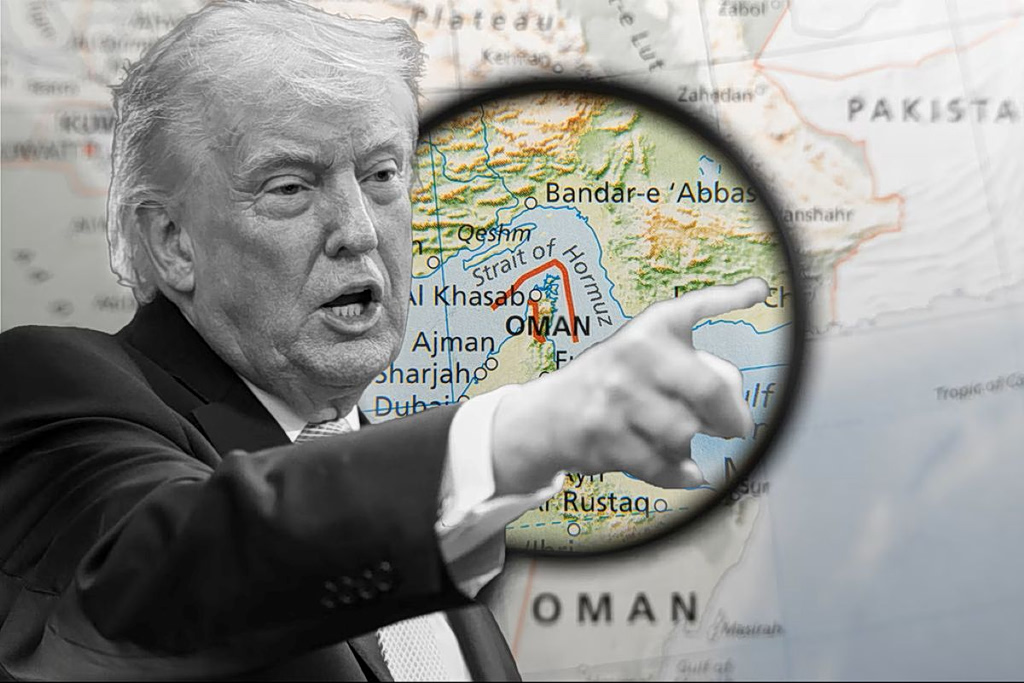
Six hours later, the chest-thumping president was back with another audacious gamble to loosen Iran’s grip on its most powerful point of leverage, the Strait of Hormuz. “Open the Fuckin’ Strait, you crazy bastards, or you’ll be living in Hell,” he blasted on social media Easter morning from the White House residence, adding an Islamic prayer to the post.
A president who thrives on drama is bringing an even more intense version of his unorthodox, maximalist approach to a new situation—fighting a war. He is veering between belligerent and conciliatory approaches and grappling behind the scenes with just how badly things could go wrong.
At the same time, the president sometimes loses focus, spending time on the details of his plans for the White House ballroom or on midterm fundraisers—and telling advisers he wants to shift to other topics.
Trump is dealing with his own fear about ordering troops into harm’s way where some will be injured and some not return home, similar to other presidents who have been at war, people familiar with the matter said.
Trump has resisted sending American soldiers to take Kharg Island, for example, the launch point for 90% of Iran’s oil exports. While he was told the mission would succeed, and the territory’s capture would give the U.S. access to the strait, he worried there would be unacceptably high American casualties, the people said. They’ll be sitting ducks, the president said.
Still, he has made risky pronouncements without input from his national security team—including his post about plans to destroy the Iranian civilization—saying seeming unstable could help spur the Iranians to negotiate.
At one point he even mused he should award himself the nation’s highest military honor, the Medal of Honor.
Trump campaigned on ending foreign wars but wagered that he could solve, with American air and naval power, a national security problem that had bedeviled seven previous presidents. Now, a cease-fire is in doubt, a critical trade route has been closed for weeks and Iran’s regime has been replaced with radical new leaders, all threatening to lengthen an operation that Trump has repeatedly said would only last six weeks—a deadline already missed since the war began Feb. 28.
White House officials said they believe a breakthrough in negotiations with Iran could be reached in coming days, and they are eyeing more talks in Pakistan.
The president’s impulsive style has never before been tested during a sustained military conflict. Unlike the successful operation in Venezuela, which buoyed his confidence, Trump is confronting a more intractable foe in Iran, which is so far unwilling to bend to his demands.
“We are witnessing astonishing military successes that do not add up to victory and that is squarely on the president and how he’s chosen to do his job—lack of attention to detail and lack of planning,” said Kori Schake, a senior fellow at the right-leaning think tank American Enterprise Institute who served on former President George W. Bush’s National Security Council.
Soon after Trump’s holiday post, aides fielded calls from Republican senators and Christian leaders. They asked, why would he say “Praise be to Allah” on Easter morning? Why would he use the F-word? Trump swears profusely in private but usually calibrates it in public and on social media.
When one adviser later asked him about it, he said he came up with the Allah idea himself. He said he wanted to seem as unstable and insulting as possible, believing it could bring the Iranians to the table, senior administration officials said. It was a language, he said, the Iranians would understand. But he was also concerned about the fallout. “How’s it playing?” he asked advisers. (Iran’s parliamentary speaker called the threat reckless .)
On the Tuesday after Easter, he issued the most dramatic ultimatum of his presidency, saying that unless Iran struck a deal in 12 hours, a whole civilization would die.
Again, the post was improvisational, and not part of a national security plan, the administration officials said.
People around the U.S. and the world were gripped with fear and confusion about what the president intended to do. Behind the scenes, top aides saw the move as a way to spur negotiations in a war the president was desperately ready to end. Secretary of State Marco Rubio told others privately it was language that might actually bring the Iranians to negotiate.
What Trump really wanted, advisers said, was to scare the Iranians, and to end the conflict. Less than ninety minutes before his deadline, Trump announced a precarious two-week cease-fire.
“President Trump campaigned proudly on his promise to deny the Iranian regime the ability to develop a nuclear weapon, which is what this noble operation accomplishes,” said Karoline Leavitt, the White House press secretary. She said the president had “remained a steady leader our country needs.”
Trump is keeping close score on the war, measuring how many Iranian targets have been destroyed as a key metric of success, officials said.
‘Blood and sand’
Trump’s decision to venture into the war surprised many who knew him best. “Blood and sand,” he told advisers in his first term to describe the region, explaining why he wasn’t interested in getting drawn into any Middle East conflict.
After a persuasive February briefing from Israeli Prime Minister Benjamin Netanyahu in the Situation Room, and repeated conversations with a group of outside allies that included Sen. Lindsey Graham (R., S.C.), he said he trusted the military to pull it off. Look, he said to advisers, at how quickly they had “won” in Venezuela, where the U.S. had, in a matter of hours, captured its president and ended with his more compliant deputy in his place.
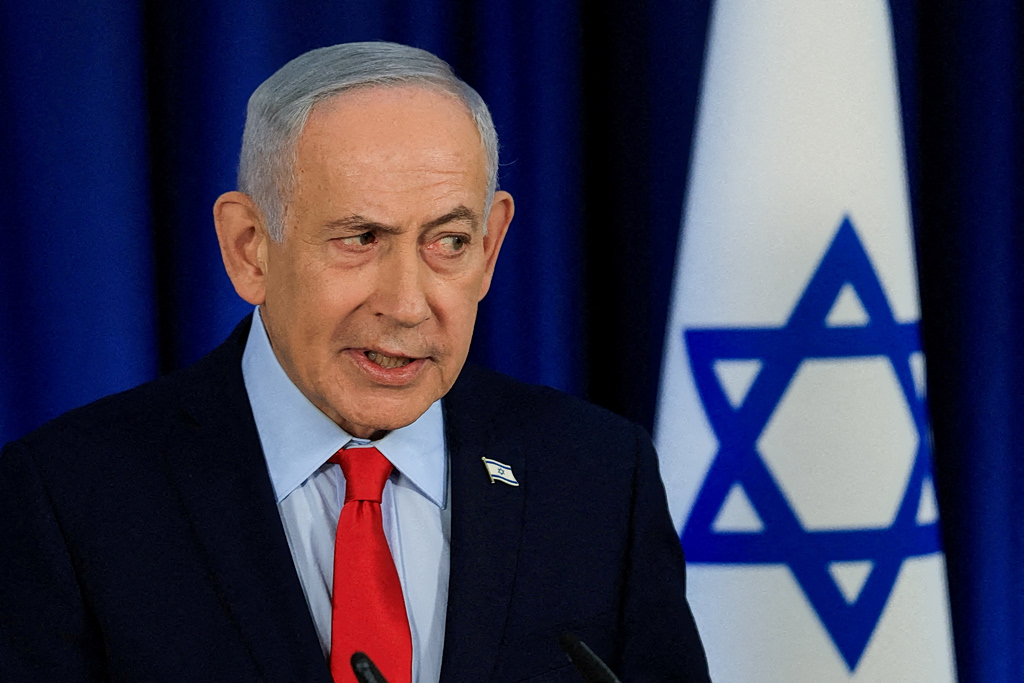
Israeli Prime Minister Benjamin Netanyahu speaks during a press conference, amid the U.S.-Israel conflict with Iran, in Jerusalem, March 19, 2026. REUTERS/Ronen Zvulun/Pool/File Photo
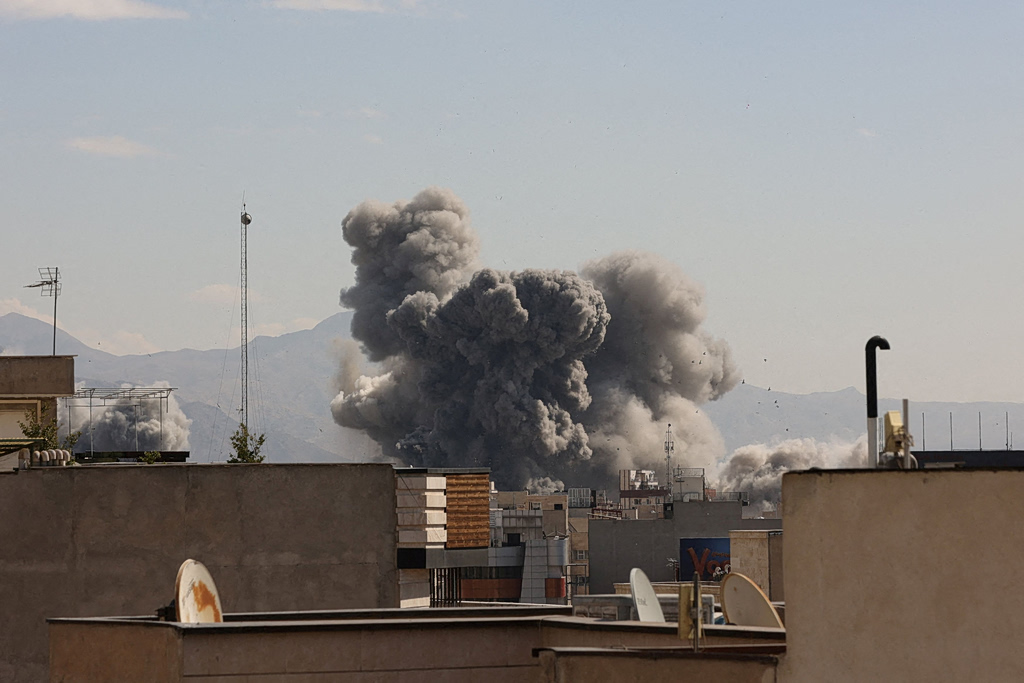
Smoke rises following an explosion, after Israel and the U.S. launched strikes on Iran, in Tehran, Iran, March 1, 2026. Majid Asgaripour/WANA (West Asia News Agency) via REUTERS ATTENTION EDITORS – THIS PICTURE WAS PROVIDED BY A THIRD PARTY TPX IMAGES OF THE DAY
In Iran, the war started with the execution of Iran’s supreme leader, Ayatollah Ali Khamenei and other top Iranian officials. Trump was shown clips every morning of stunning explosions across the Iranian terrain. Advisers said Trump remarked to them how impressive the military was, seeming in awe of the scale of bombs.
But Trump had done little to sell the American public on the war, and soon grew frustrated that his administration wasn’t getting the same kind of external praise. Leavitt attributed his frustration to what she deemed unfair news coverage of the administration. His team showed him poll results for the November midterm elections that showed him the war was dragging down Republican candidates.
Still, Trump himself wasn’t up for re-election—and he thought a win over Iran would give him a chance to reshape the global order in a way he couldn’t in his first term, two top officials said. Trump said early in the military operation that if we get this right, we are saving the world, according to a person who heard his comments.
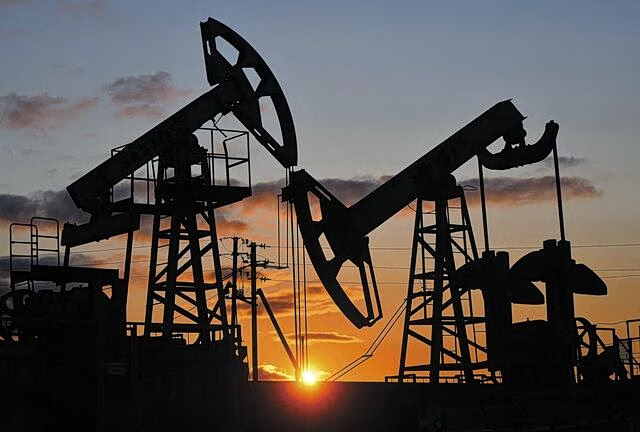
With the strait’s closure choking off some 20% of the global oil supply , energy CEOs soon grew nervous. In mid-March, Energy Secretary Chris Wright appeared at a board meeting of the American Petroleum Institute, the oil industry’s primary lobbying group, and said the war would be over in weeks, according to people at the meeting. The energy leaders have at times worried that war would drive up prices far more than the White House seemed to appreciate if Trump continued an escalation that matched his rhetoric, people familiar with the matter said.
Trump vacillated, people close to him said, between considering economic worries in calls with advisers including Wright and Treasury Secretary Scott Bessent, and insisting that he was going to keep the war going. He told advisers that they needed to watch the markets, and his words often moved them.
But Trump quickly began ruminating on how the military action could turn into a catastrophe.
Speaking to Republican lawmakers in Doral, Fla., a little over a week into the war, Trump ticked through Democratic presidents who oversaw foreign policy debacles, including the withdrawal from Afghanistan under President Joe Biden. He then dwelled on Carter’s failed attempt to rescue U.S. hostages held by the same Iranian regime he was bombing.
European countries and the NATO alliance have refused to join Trump’s Iran campaign and declined to help force open the strait , drawing Trump’s frequent ire.
He grew angry with British Prime Minister Keir Starmer for being slow to allow U.S. forces to use U.K. bases and derisively mocked the French President as “Emmanuel,” dragging out the syllables in an exaggerated French accent, in White House meetings after the two sparred over both the war and Emmanuel Macron’s wife. When NATO Secretary-General Mark Rutte came to Washington earlier this month for a pre-scheduled meeting, Trump told officials afterward it was largely a waste of time because Rutte couldn’t force his members to help.
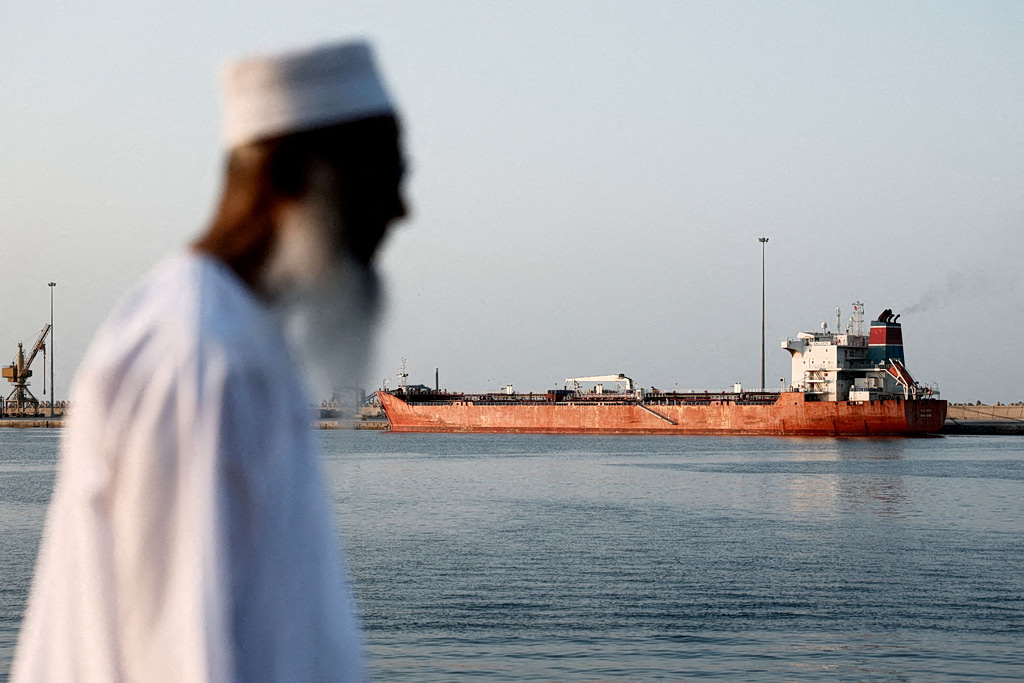
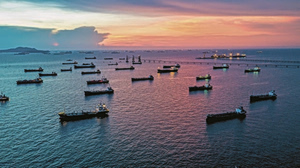
The Callisto tanker sits anchored in Port Sultan Qaboos as the traffic is down in the Strait of Hormuz, amid the U.S.-Israeli conflict with Iran, in Muscat, Oman, March 12, 2026. REUTERS/Benoit Tessier/File Photo
The strait has been a particular source of frustration. Before the U.S. went to war, Trump told his team that Iran’s government would likely capitulate before closing the strait, and that even if Tehran tried, the U.S. military could handle it, The Wall Street Journal has reported . Some of the president’s advisers were caught off guard that tanker traffic would grind to a halt so quickly after the bombing began, according to a person in contact with the White House.
Trump has since marveled at the ease with which the strait was closed. A guy with a drone can shut it down, Trump has said to people, expressing belated irritation that the key waterway was so vulnerable. He has publicly oscillated between demanding support from allies to help open it and insisting that the U.S. doesn’t need or want military assistance.
In late March—about a week before the Iranians shot down the plane—Trump had ordered his negotiating team to find a way to start talks, according to a person familiar with the discussions.
By early April, the price of gas was up by more than $1 a gallon, and industry leaders worried that the market still hadn’t properly priced the risk that the war was posing to the oil supply. The president, through his force of personality, was doing a good job talking down the price of oil, but reality would soon set in, said one person familiar with the industry.
But they’ve been told Trump is willing to take the political hit for higher prices for a short period of time, the person said.
The president’s competing impulses, playing out in early-morning missives, concerned his aides who were growing worried the war was becoming a political albatross.
He took repeated calls from journalists, telling Axios there’s “practically nothing left to target” in Iran, and complaining to an Italian newspaper about his erstwhile friend, Italian prime minister Giorgia Meloni. In an Easter interview with the Journal, he said he could strike “every power plant” in Iran, an attack on civilian infrastructure that would potentially break international law against war crimes.
Trump’s top aides have taken turns telling the president that he should limit the impromptu interviews because they were only convincing the public he had contradictory messages. At times, Trump would joke with Leavitt that he had talked to a reporter and made big news, but she would have to wait and see what it was, White House officials said. For a bit, he agreed to curb them—then soon returned.
Some advisers encouraged him to do a speech to the nation. White House chief of staff Susie Wiles thought it would reassure the country that Trump had a plan. Trump wasn’t initially interested. What would he say? He couldn’t declare victory. He didn’t know where it was going. He was eventually persuaded to make the address on April 1, and aides along with outside advisers filled the room hoping to encourage him.
The U.S. had succeeded on the battlefield and the U.S. military objectives would be completed “very shortly,” he told skeptical Americans. The speech, which didn’t clarify how the U.S. would exit the war, didn’t increase public support.
Minute-by-minute rescue
The repeated crises prompted by the war have led to scrambles inside the administration.
For 24 hours over Easter weekend, Trump’s team dialed into the Situation Room: Vice President JD Vance from Camp David, Wiles from her home in Florida. They received almost minute-by-minute progress reports, of the military entering Iran, the rescue planes getting stuck in the sand, the efforts to distract the Iranians. They called the last airman by a code name.
Trump wasn’t included in the meeting but received updates by phone.
After Trump’s subsequent threat to destroy Iranian civilization, White House officials talked to Pakistani counterparts about mediating a cease-fire. Trump was too mad at the Europeans for any of them to serve the role, administration officials said.
As the world waited on the president’s 8 p.m. deadline, Trump flitted between topics, aides said. He talked to officials about endorsements in an Indiana state race. His team prepped for the midterms. He listened to officials talk about cryptocurrency and artificial intelligence policy.
He also asked Wiles and Steve Witkoff, the U.S.’s chief negotiator with Iran, where things stood. Push them to a deal, he told Witkoff repeatedly.
White House concerns about security threats have been heightened, aides said.
In recent weeks, for example, Trump and his team have noticed an increase in security. On a cloudless night in April at Mar-a-Lago, every umbrella was up on the patio in an unusual arrangement, guests said. Club members were told that there was an effort to limit drone visibility, a Mar-a-Lago member said.
Rubio told others about standing outside his home at the military compound where he lives and watching a suspicious drone, administration officials said. Secret Service protection teams have expanded to carry weapons White House officials had never seen before.
Despite the high pressure moments, Trump has also told advisers he wants to talk about other topics and see the media focus on other issues. When guests showed up for a meeting of Kennedy Center officials in March, the president pulled some of them aside to talk about the ballroom he is constructing on White House grounds. Out came drawings showing a large hole in the ground—he was amazed at all that could be built underneath. Advisers said he has multiple meetings a week on the topic and views himself as the general contractor.
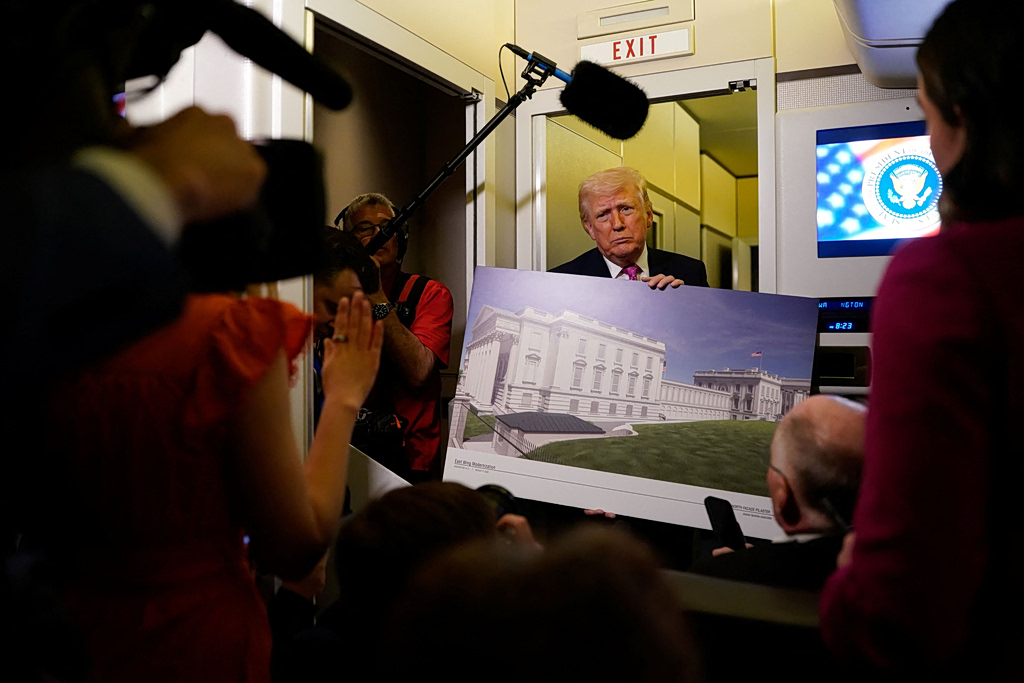
U.S. President Donald Trump talks to members of the media while holding up renderings of the planned White House ballroom, aboard Air Force One en route to Joint Base Andrews, Maryland, U.S., March 29, 2026. REUTERS/Elizabeth Frantz
Also on his mind: raising money for the midterms. Hours after the war began on the last Saturday in February, he was at a fundraiser at Mar-a-Lago. When some staff questioned if they should cancel it, Trump said he would have to eat dinner regardless.
At another gathering, one night after threatening to end Iranian civilization, Trump stood in the White House with donors and top staff for a reception ahead of America’s 250th celebration this summer. He mused about giving himself the nation’s highest military honor, the Medal of Honor, designed to honor bravery, courage and sacrifice, according to people who were at the reception.
He then told a story about why he said he deserved it: In his first term as he flew into Iraq for a surprise holiday visit to the troops, his jet descended in the dark toward an unlit runway. In dramatic fashion, he counted down the feet to the plane landing, and recalled how scary it was. The pilots kept reassuring him, he said, and they landed safely.
He couldn’t get the medal, he said, because White House counsel David Warrington, who was standing nearby at the event, wouldn’t allow it.
Leavitt, the White House spokeswoman, said he was joking.