Greek authorities are continuing investigations into a growing scandal involving illegal agricultural subsidies linked to OPEKEPE, the country’s agency responsible for managing EU farm payments. The probe follows dozens of arrests and the referral of suspects to the European Public Prosecutor’s Office.
According to officials, multiple new cases of allegedly fraudulent subsidy claims have emerged across different parts of Greece. Investigators are examining payments described as “fake” or unsupported by legitimate agricultural activity.
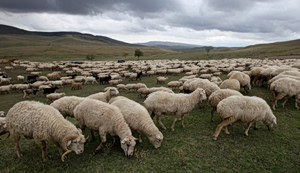
The investigations intensified after the uncovering of an organized network in the island of Crete, where members are accused of illegally collecting EU agricultural funds by declaring non-existent grazing land. Media reports indicate that authorities are now looking into similar schemes in other regions of the country.
One case under investigation in Crete reportedly involves a subsidy exceeding €500,000 for grazing land registered in the name of a landowner who has since passed away. In northern Greece, authorities are examining a case in which a 72-year-old woman allegedly declared nearly €920,000 in subsidy income, alongside a dozen other producers now under police scrutiny.
Another case under review concerns a family-run operation in central Greece, where a woman is reported to have declared €1.5 million in income, with a significant portion linked to livestock numbers that are now being questioned by investigators.
Officials describe two cases involving the cultivation of rare plant species as among the most serious currently under examination. According to police sources, large sums were paid out based on false import records, fictitious cultivation activity, and fabricated sales, with at least 50 people allegedly involved in each case.