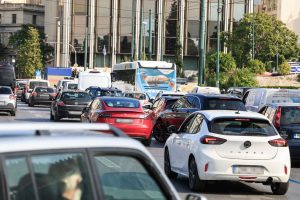
Greece ranks fourth in the European Union for road fatalities, with 63 deaths per million inhabitants, far above the EU average. Only Romania, Bulgaria, and Croatia report higher death rates, highlighting ongoing challenges in road safety.
While highways generally have fewer fatal accidents than rural or urban roads, several European routes are notorious for their danger:
- A1 (Trakia), Bulgaria: Connecting Sofia to Burgas, heavy traffic and challenging driving conditions make it one of Bulgaria’s deadliest roads.
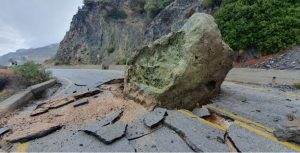
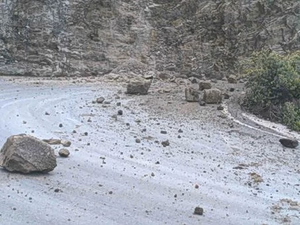
- DN7C (Transfăgărășan), Romania: Famous for its stunning scenery, this mountain road has sharp turns, narrow lanes, and frequent landslide or flood risks.
- M1, Hungary: The main route between Budapest and Vienna sees high accident rates due to dense traffic.
- RN79 (RCEA), France: Nicknamed the “Highway to Hell,” it combines tight lanes, steep curves, and heavy traffic.
Greece’s “Katara Pass” – A Local Danger Zone

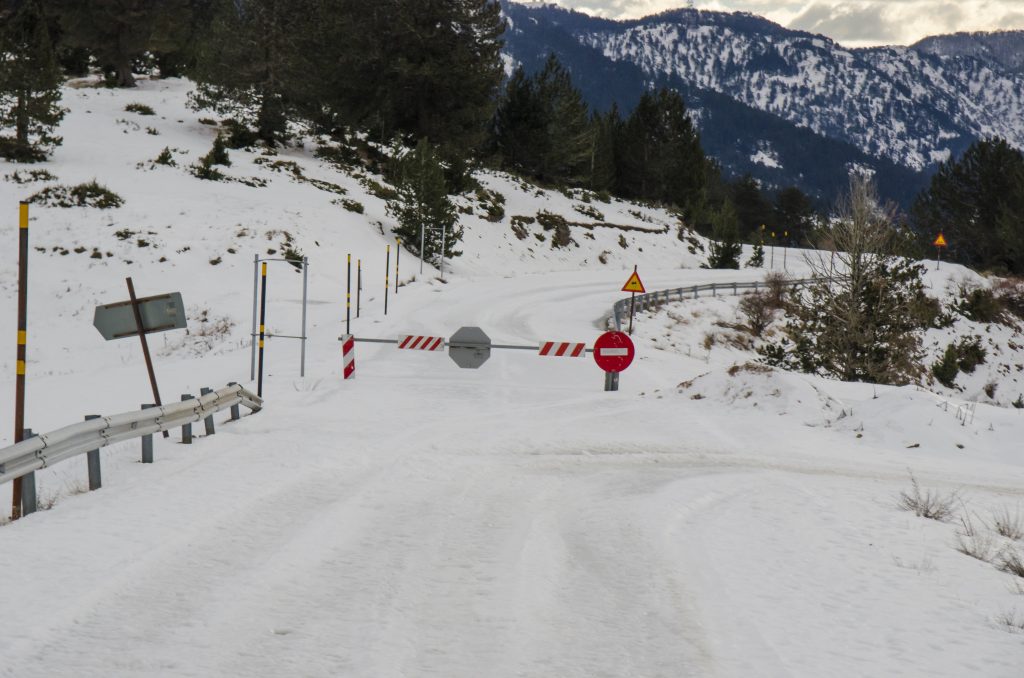
In Greece, the “Katara Pass” stands out as a historically perilous route. Stretching 18 kilometers through the rugged Pindus mountains, it was part of the old Trikala-Ioannina National Road. Before being bypassed by the Egnatia Odos in 2010, it was notorious for accidents caused by its sharp bends, steep gradients, and harsh weather conditions.
Today, the Katara Pass is mostly used by locals and adventurous travelers drawn to its natural beauty and dense forested terrain. Despite reduced traffic, the combination of poor asphalt, limited signage, and challenging winter conditions continues to make it hazardous.
Broader EU Road Safety Challenges
Across the EU, factors such as bad road quality, dangerous weather, and driver behavior contribute to high accident rates. More than half of fatal accidents occur on rural roads, underscoring the need for targeted safety measures.
Some countries perform significantly better. Sweden, for example, records just 22 deaths per million inhabitants, showing that improvements in infrastructure, enforcement, and driver awareness can dramatically reduce fatalities.
Greece’s ranking reflects chronic issues: deteriorating roads, excessive speeds, and low compliance with traffic rules.