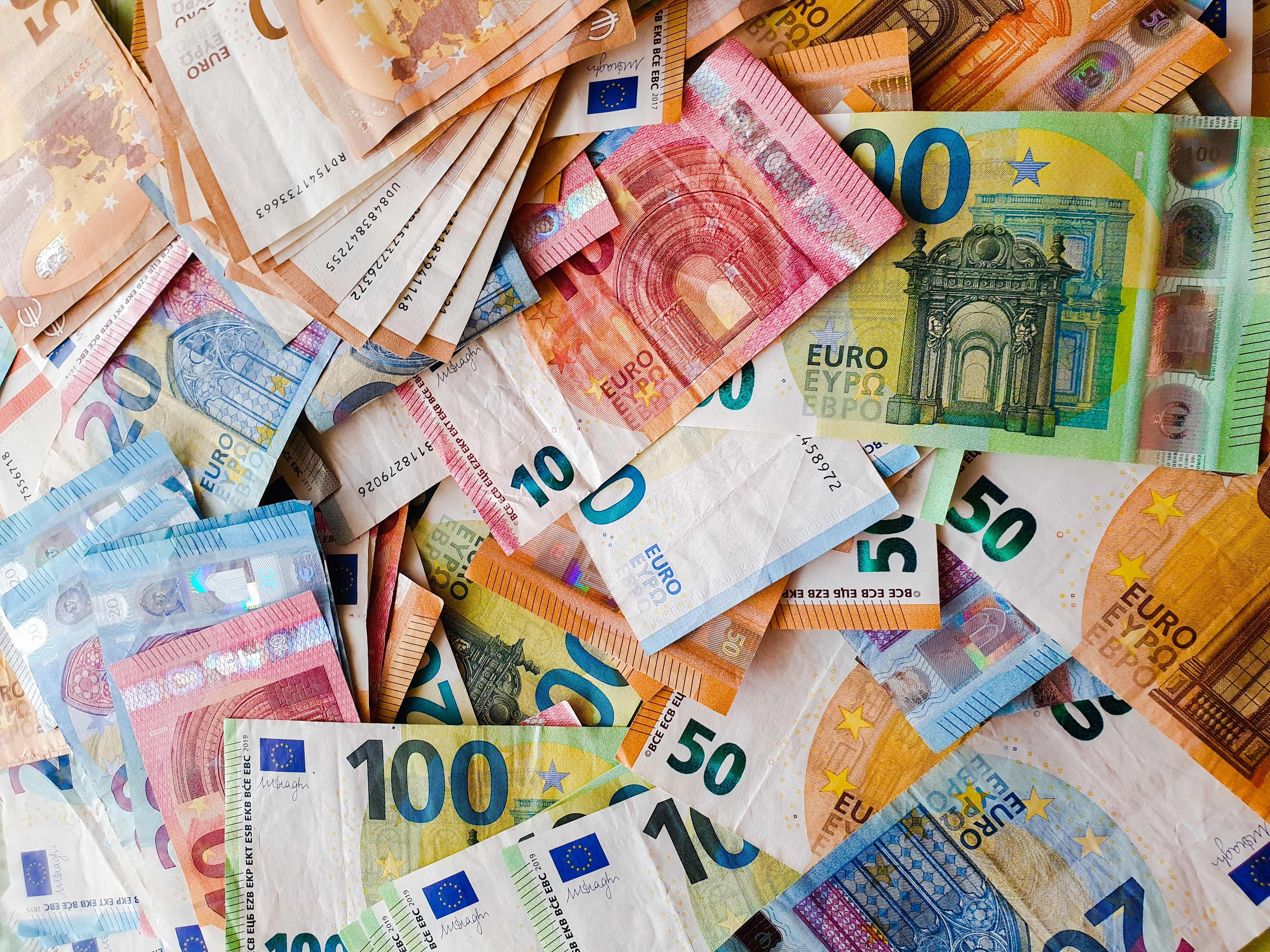
Karagkounis did not reveal the precise amount but confirmed it would be “well above €880,” reiterating the government’s target of reaching €950 by 2027.
The increase comes on the back of significant improvements in the labor market. Greece has reduced unemployment from around 18% to approximately 7% in recent years a development the deputy minister linked directly to the decision to unfreeze seniority increments, which had been suspended during the crisis years.
To ease the burden on businesses, the government has cut non-wage labor costs, reducing social insurance contributions by 5.9 percentage points. Karagkounis noted that every half-percentage-point reduction in contributions costs the state budget around €300 million. He added that the average wage in Greece now stands at approximately €1,520, with eight in ten workers employed on a full-time basis.