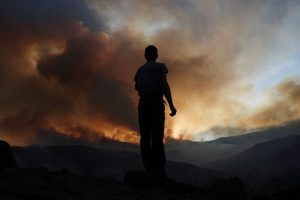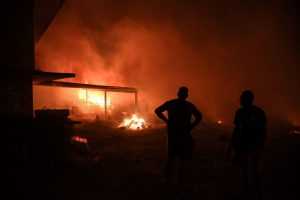
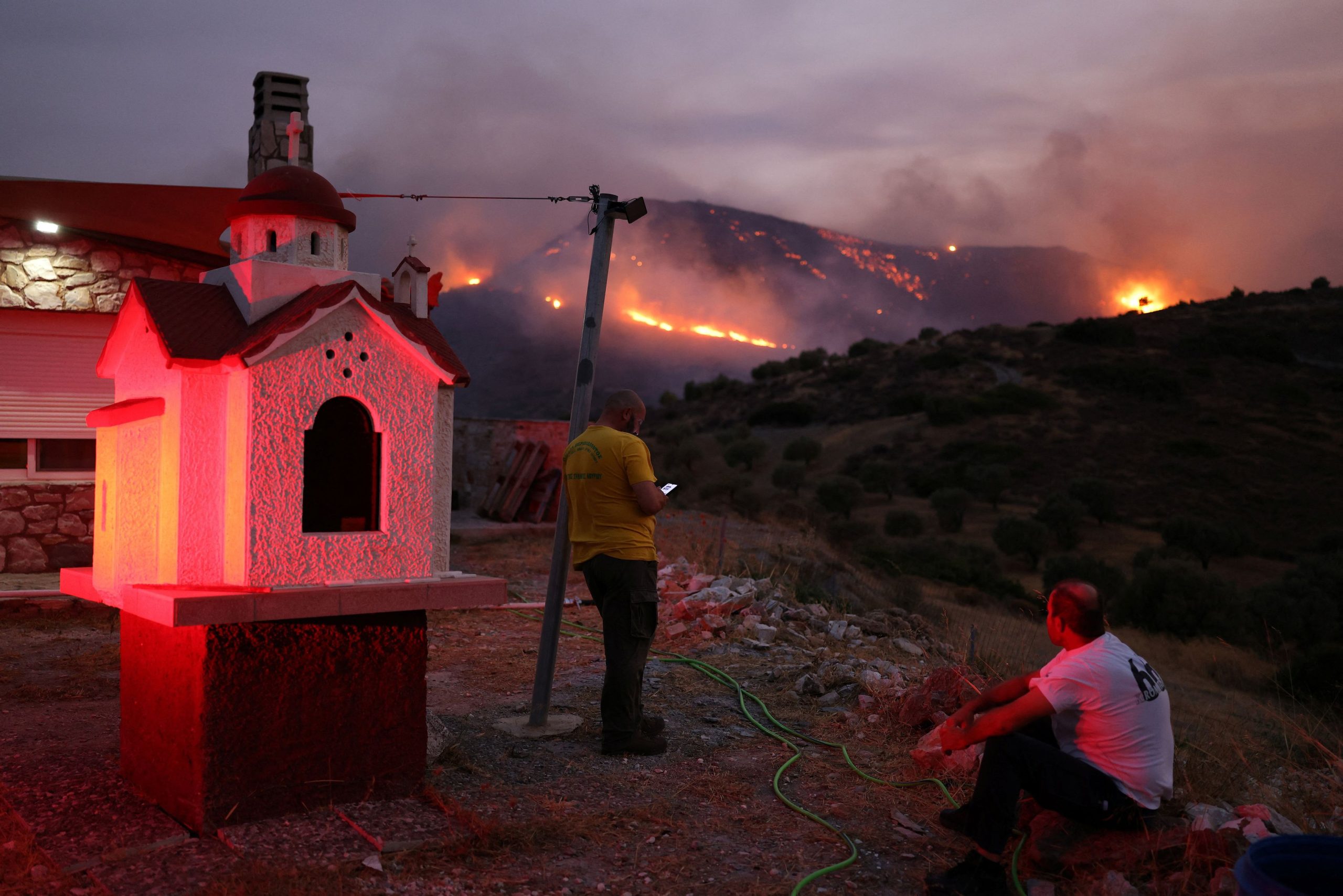
When firefighters traced the cause of a deadly wildfire near the Athens Riviera in August, they discovered sparks from a loose power cable had ignited dry grass in high winds. Within hours, the blaze near Keratea killed one person and scorched 4,000 acres of land close to tourist beaches.
The investigators’ report, seen by Reuters, said the cable showed signs of oxidation and poor maintenance, pointing to systemic weaknesses in the network.
The incident reflects a wider crisis. Preliminary fire brigade data shows faulty power lines were the top cause of major wildfires in Greece this summer, eclipsing arson and negligence. Out of 41 large blazes investigated, 15 were linked to the electricity network, destroying 51,000 acres of countryside — a sharp rise from last year. Fire brigade spokesman Vassilis Vathrakogiannis declined to comment to Reuters on the data because it was not public.
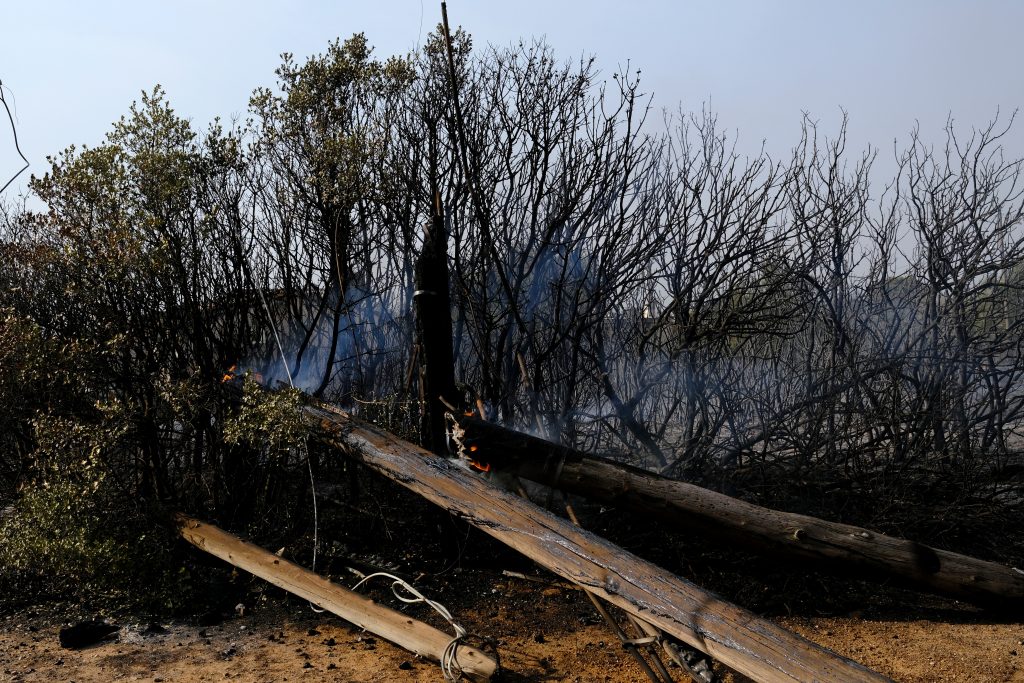
Experts warn that decades-old infrastructure, neglected during the country’s 2009–2018 debt crisis, is increasingly vulnerable in an era of hotter, drier summers. “We must not hide the issue under the carpet,” said Palaiologos Palaiologou, assistant professor at the Agricultural University of Athens.
HEDNO defends its record
Public power distributor HEDNO insists it has ramped up maintenance, as seen in a second fire brigade report seen by Reuters, spending €165 million in 2024 compared with €122 million in 2019. The company said it clears vegetation, inspects lines and is prioritising underground cabling to cut fire risks. It noted that since 2012, it has been found guilty in only three wildfire cases, despite some 122,000 fires nationwide.
In the case of Keratea, HEDNO found no link as teams had carried out maintenance in May and cleared vegetation around the pole according to the law.
Government acknowledges gaps
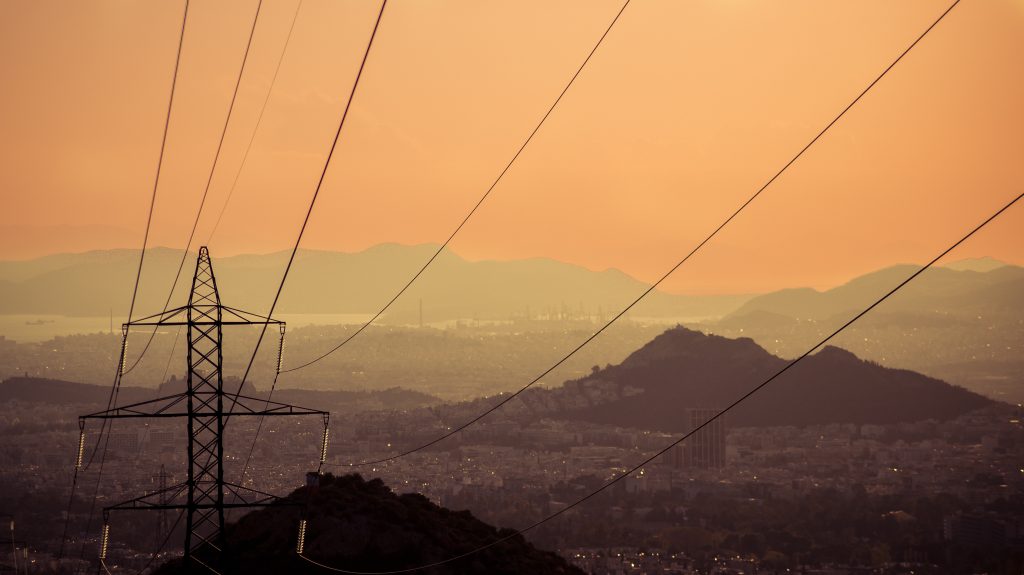
Deputy Energy Minister Nikos Tsafos told parliament the crisis years left a “huge gap” in grid investment. Around 1,800 km of cables are now being buried each year, but with millions of poles scattered across rural and forested areas, full upgrades could take decades.
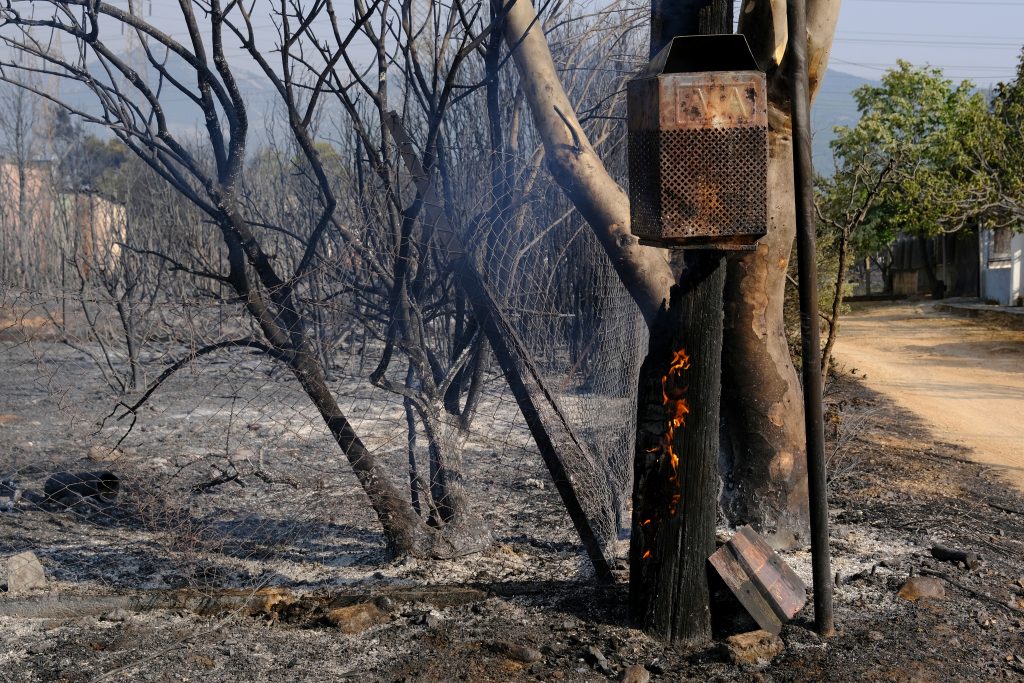
Meanwhile, frustration is boiling over at the local level. Dimitris Papachristou, mayor of fire-hit coastal towns, said he plans to sue HEDNO for negligence over at least two major blazes this summer. “We witness the same story every year, across Greece,” he told Reuters. “We have reached our limits.”
An uphill battle
Much of the grid was installed decades ago, often running through fire-prone forests or near villages now largely deserted. In Keratea, sagging lines crisscross the town so low that residents joke about using them as clotheslines.
Experts say the solution is clear but costly: relocate lines from high-risk areas, replace aging poles, and bury cables underground where feasible. Until then, Greece’s aging power grid will remain a dangerous spark in a country increasingly on fire.