Underfunded, understaffed, and with an underdeveloped primary care sector, Greece’s National Health System (ESY) faces mounting challenges. An ageing population, rising rates of chronic disease, persistent economic pressures, and new threats such as climate change are exposing deep vulnerabilities.
A new study published in The Lancet lays bare these weaknesses with extensive data, while also setting out proposals for reform. The research is co-authored by prominent Greek experts in health policy and economics.
Spending gaps and private burden
Public spending on healthcare remains among the lowest in Europe, accounting for just 5.8% of GDP compared to the EU average of 7.3%. In real terms, per capita public expenditure has fallen since 2009 and ranks among the lowest in the Union. Meanwhile, private out-of-pocket costs are soaring—Greeks cover nearly 39% of health expenses themselves, more than double the EU average.
The demographic challenge
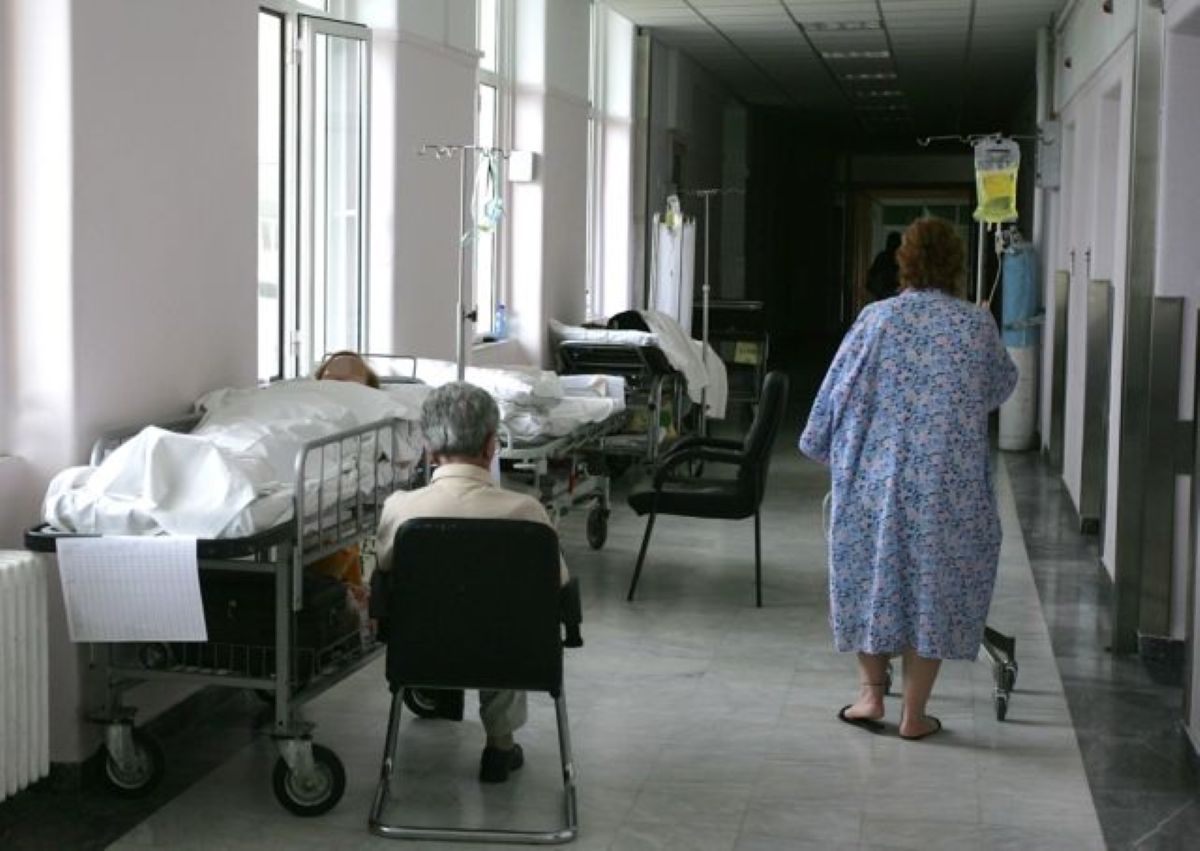
By 2050, more than one in three Greeks will be over 65, a shift already fueling a surge in chronic illness. Nearly six in ten older adults suffer from long-term conditions, and more than half live with multiple health problems. Lifestyle factors compound the picture: Greece has Europe’s second-highest smoking rate at 25%, while childhood obesity affects 41% of children aged 5–9, one of the continent’s highest levels.
New threats: climate and resistance
The climate crisis is leaving its mark. In 2023, Greece recorded the highest number of heatwave-related deaths in Europe. Wildfires, floods and rising temperatures are testing the resilience of health services. At the same time, antimicrobial resistance poses an urgent threat: over two-thirds of bacterial isolates are resistant to antibiotics, the highest rate in the EU alongside Romania.
Inequalities and lack of long-term care
Social and economic disparities sharpen health inequalities. More than a quarter of the population is at risk of poverty or exclusion, with stark differences in nutrition and obesity rates linked to education levels. Long-term care services are both scarce and costly—only 10% of users receive free support, compared with an EU average of 37%—leaving families, particularly women, to shoulder the burden.

Policy directions
The study urges a fundamental shift: prioritize public health, secure sustainable funding, modernize primary care, and develop community-based long-term care. It also calls for governance reforms that depoliticize management, strengthen accountability, and give health institutions greater independence.