 Μake us preferred on Google
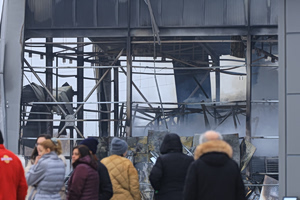
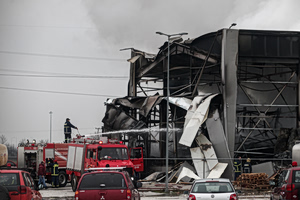
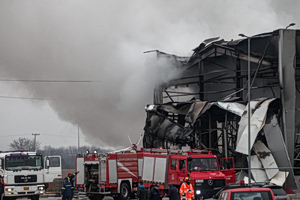
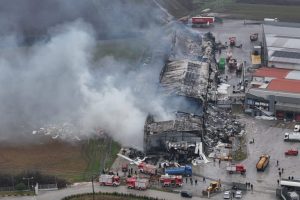
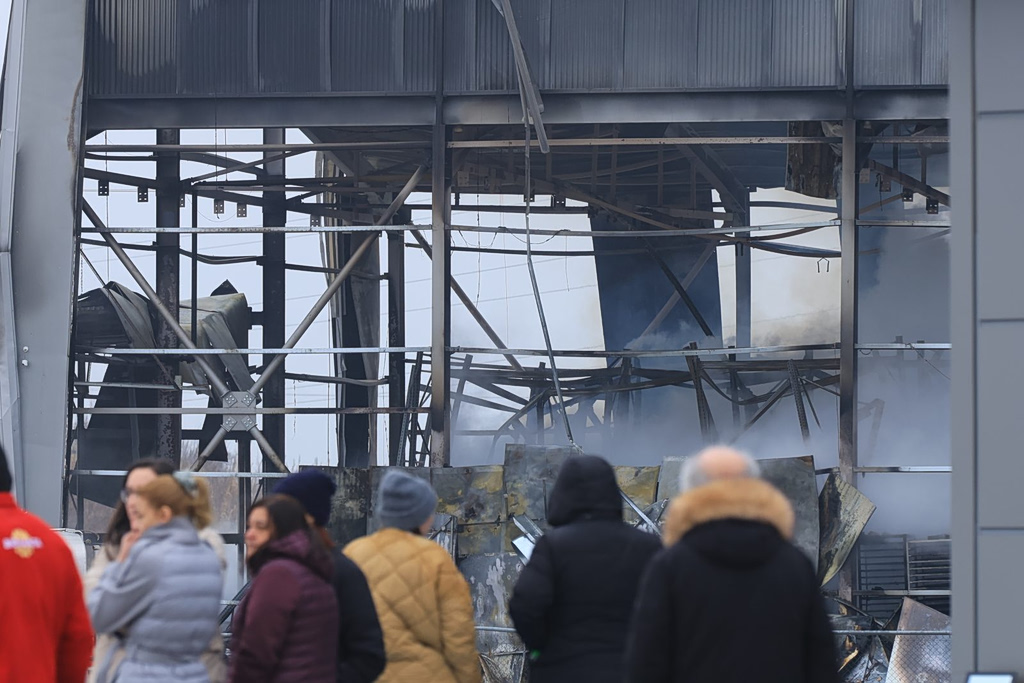
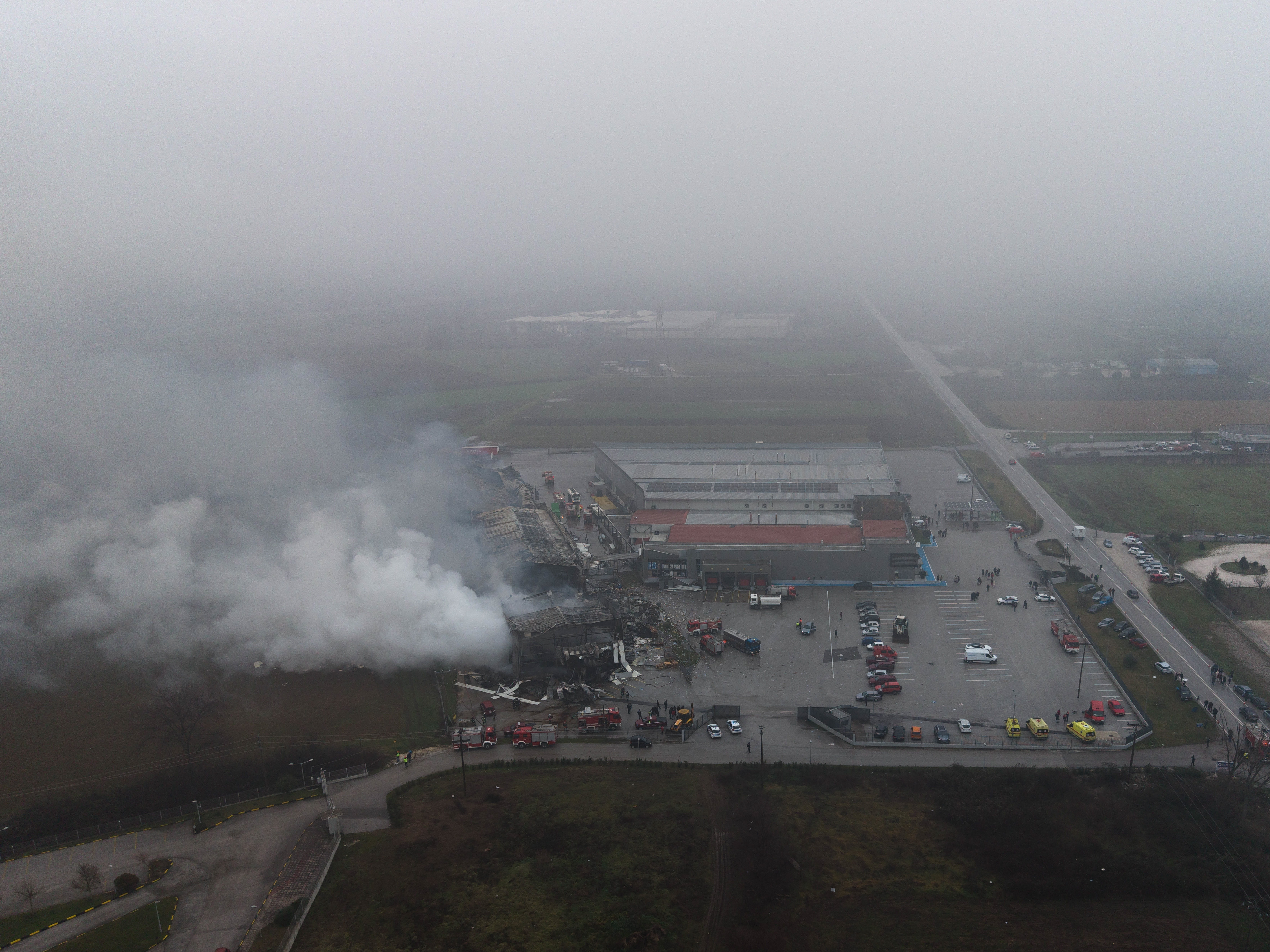
 The devastating explosion at a cookie factory in the central Greek city of Trikala on Monday that resulted in the death of five female workers, has once again brought workplace safety in Greece into sharp focus. It also added to a grim and growing list of industrial and workplace accidents recorded across the country in recent years.
A mounting toll of workplace deaths
According to data cited by the Federation of Associations of Employees at Technical Enterprises in Greece (OSETEE), 201 workers lost their lives in workplace accidents in 2025 alone, while 332 others were seriously injured. The federation describes the situation as steadily worsening, noting that total workplace accidents have remained consistently above 14,000 per year.
“The picture of workplace accidents in our country is utterly discouraging, even frightening,” said OSETEE President Andreas Stoimenidis. He warned that the situation has now reached the scale of a humanitarian crisis.
OSETEE had already warned as early as 2022 that workplace fatalities were on track to exceed 200 deaths annually. The toll of 201 deaths is not yet final. A full count is expected by the end of February, once reported incidents are verified and previously unreported or undocumented cases are reviewed.
At a recent seminar hosted by the federation, there was data presented that showed that, on average, one worker in Greece loses their life every two days due to a workplace accident.
Underreported accidents, incomplete records
European data further underline the scale of the problem. According to estimates by Eurostat, around 40 workplace accidents occur every day in Greece, though officials acknowledge that reporting remains incomplete.
In 2024, the number of fatal workplace accidents exceeded 150, while 2025 marked a new and troubling record. Despite this trend, key indicators remain absent from official statistics. Occupational illnesses, work-related diseases and deaths caused by long-term exposure to hazardous working conditions are not systematically recorded in Greece.
This lack of comprehensive data, labor organizations argue, masks the true human cost of unsafe workplaces.
A long-term erosion of working conditions
The federation links the dramatic rise in workplace accidents to the broader deterioration of workers’ conditions over the past 15 years. It argues that the same decline is evident across major sectors of the Greek economy when it comes to occupational diseases tied directly to working environments.
Official reports by the Hellenic Labour Inspectorate show that workplace accidents have reached what unions describe as epidemic levels, exceeding 14,000 cases every year. A significant share of these incidents is attributed to poor working conditions and exhausting work schedules.
The upward trend is clear in year-by-year data. In 2021, 11,957 workplace accidents were reported. That number rose to 14,388 in 2022 and climbed further to 14,920 in 2023.
Beyond the human toll, workplace accidents carry a heavy financial burden, with their economic cost estimated at more than 150 million euros each year.
High-risk sectors across the economy
Accidents are not confined to traditionally hazardous industries. According to the data, the highest share of incidents is recorded in retail trade excluding motor vehicles (22.8%), followed by the hospitality sector (9.3%), public administration, defense and compulsory social security (9.3%), human health activities (6.4%), construction (6%), wholesale trade excluding motor vehicles (5.3%) and the food industry (4.9%).
Calls for accountability after Trikala tragedy
The Greek General Confederation of Labour (GSEE) expressed deep sorrow over the deaths of the five female workers and the injuries sustained by their colleagues at the Violanta factory. In a statement, the confederation said the deadly workplace accident has shaken Greek society and starkly exposed long-standing and serious shortcomings in health and safety standards at work.
The confederation called for a full, thorough and transparent investigation into the exact causes of the tragedy, stressing that all competent authorities must take responsibility. It also stressed that the Greek society as a whole, alongside Greek workers and the families of the victims deserve to know the truth.
Addressing the broader trend, GSEE spoke of an “explosive escalation” in workplace deaths in recent years. At the same time, it cited research involving the European Agency for Safety and Health at Work estimating that deaths in Greece from occupational diseases reach as high as 2,500. These deaths, the confederation noted, are not reported or recorded by any authority.
Source: ot.gr