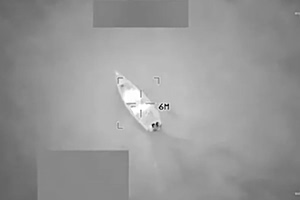
Greek police have unveiled details of a major anti-drug operation that led to the dismantling of an international cocaine trafficking network, dubbed by authorities and media as the case of the “Greek Escobar.”
During a press conference in Athens, officials presented “Operation Ippalos,” a months-long investigation that resulted in the seizure of approximately 4.8 tons of cocaine destined for European markets. Authorities estimate the criminal organization’s profits at around €100 million.
The operation was described by the Minister for Citizen Protection as a “war-like effort” against professional drug traffickers. He said the seizure prevented large quantities of narcotics from reaching Europe, stressing the social impact such drugs have, particularly on young people.
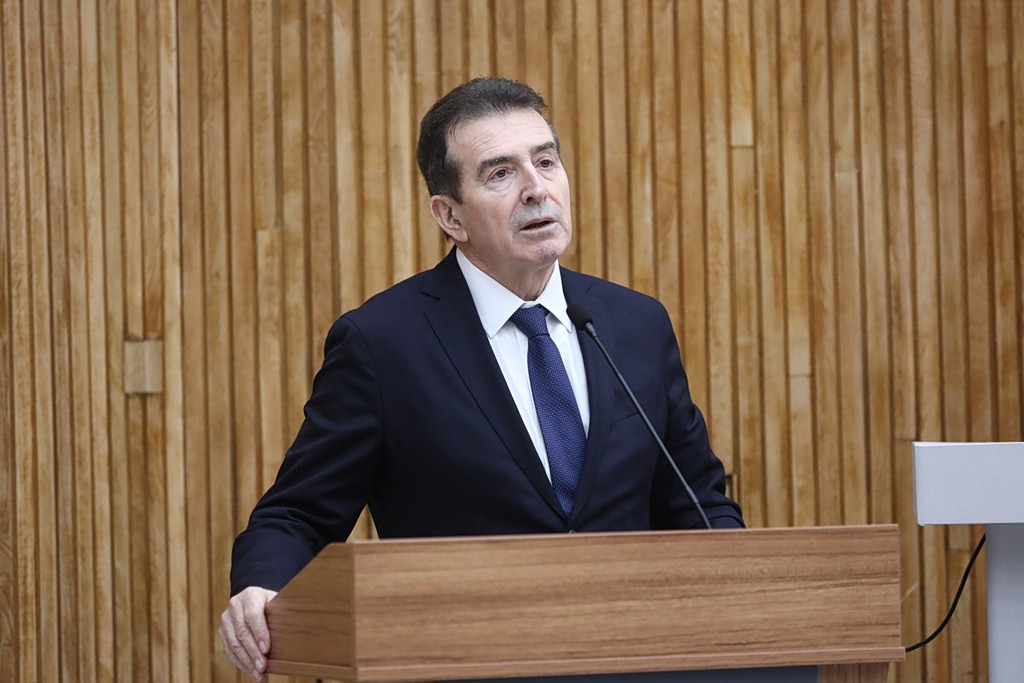
Παρουσίαση των ενεργειών της Ελληνικής Αστυνομίας για την εξάρθρωση του κυκλώματος με τους τέσσερεις τόνους κοκαΐνης, Τετάρτη 17 Δεκεμβρίου 2025. (ΓΙΑΝΝΗΣ ΠΑΝΑΓΟΠΟΥΛΟΣ/EUROKINISSI)
According to senior police officials, the investigation lasted nearly a year and targeted a transnational criminal organization, most of whose members were Greek nationals. The group specialized in maritime transport, using fishing vessels linked to seemingly legitimate companies to move cocaine from Latin America toward Europe.
Police said the alleged leader of the network was responsible for recruiting crews, selecting and equipping vessels, handling administrative procedures, and coordinating shipments at sea. He also maintained contacts with suppliers, oversaw deliveries to recipients, and managed the laundering of illegal profits through companies and fishing-related activities.
Authorities also identified several associates who allegedly acted as front men, setting up companies used to prepare and operate the vessels. One close collaborator, reportedly responsible for contacts with drug traffickers in Latin America, has not been arrested.
The investigation began in October 2024 and relied on a combination of traditional police work, digital evidence analysis, and cooperation with foreign law enforcement agencies. The network’s activities spanned multiple regions, including Latin America, the Atlantic Ocean, and destinations within the European Union, Greece among them.