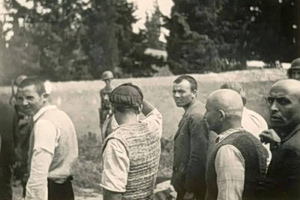
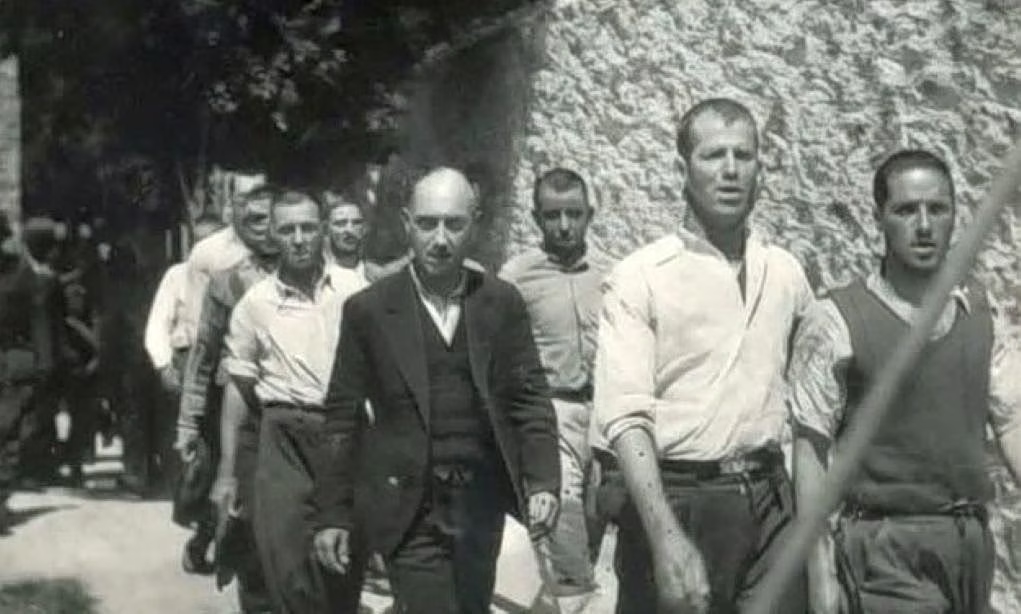
Rare photographs documenting the execution of 200 resistance members in Kaisariani on May 1, 1944, have been officially confirmed as authentic, Greece’s Ministry of Culture announced on Thursday.
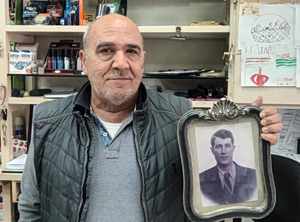
Culture Minister Lina Mendoni said the material was examined in Belgium by a delegation from the ministry, along with independent experts. The team conducted an on-site inspection of the so-called Hoyer Collection, which consists of 262 photographs taken in Greece in 1943–1944, as well as printed material included by the original photographer.
The macroscopic examination of the archive confirmed the authenticity of the photographs, the ministry said. A preliminary agreement has now been signed between the Ministry of Culture and the Belgian collector who holds the material, and the collection has been withdrawn from an online auction platform.
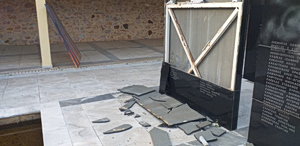
The images depict the execution of 200 prisoners at the Kaisariani firing range, in a district of Athens, during the Nazi occupation of Greece in World War II. The mass execution remains one of the most emblematic acts of repression during the occupation.
Greek officials had previously indicated that additional photographic material from the day of the execution may exist. With the authenticity now confirmed, the government is moving forward with efforts to secure the full archive.
The photographs have already been designated protected monuments due to their exceptional historical value. Historians describe them as unique visual testimony of an event that until now had largely been documented through written and oral accounts.
Authorities have stressed that once formally acquired, the collection will become part of Greece’s national historical record, ensuring public access to material that preserves the memory of those executed.