Μake us preferred on Google
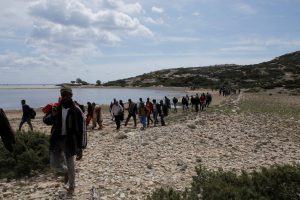
 In a coordinated effort to strengthen cooperation on irregular migration, Greece’s Minister of Migration and Asylum, Athanasios Plevris, traveled to Libya today as part of a high-level European delegation. The visit comes at a time of mounting pressure on Greece’s borders, particularly the island of Crete, due to a dramatic rise in migration flows originating from Libya.
Plevris is accompanying Magnus Brunner, the European Commissioner for Migration and Home Affairs, along with the interior ministers of Italy and Malta, in a diplomatic initiative aimed at engaging directly with both of Libya’s rival administrations — the internationally recognized government in Tripoli and representatives of Khalifa Haftar in Benghazi.
Curbing Irregular Migration Through Collaboration
The goal of the mission is to coordinate migration policy with Libyan authorities to tackle the rapidly escalating issue of irregular crossings into Europe. According to sources from the Greek Ministry of Migration, the visit is not only symbolic, but a step toward “hands-on cooperation” with Libyan institutions to better control departures from the North African coast.
This initiative is part of a broader strategy by the Greek government to engage with countries of origin and transit in addressing the root causes and logistics of migration. The collaboration aims to stem irregular flows and protect the external borders of the European Union, which have been under increasing strain in recent months.
NEWSLETTER TABLE TALK
Never miss a story.
Subscribe now.
The most important news & topics every week in your inbox.
A Surge in Arrivals from Libya
Irregular migration from Libya to Crete has been rising steadily since September 2023. While monthly arrivals averaged around 120 people during early stages, the numbers surged in February 2024 to 528 and continued to climb throughout the year. By the end of 2024, the monthly average had quadrupled to around 400 arrivals, totaling 4,820 migrants for the year.
The trend has accelerated sharply in 2025. By June 30, 7,124 individuals had arrived from Libya, according to data from the Hellenic Coast Guard. In June alone, a record 2,564 people reached Crete. The situation reached a critical point last Sunday, when a staggering 959 migrants arrived on the island in a single day — the highest one-day figure recorded. Hundreds more arrived on Monday, adding to the humanitarian and logistical strain on local authorities.
European and Greek Response Intensifies
The spike in arrivals prompted an urgent response from the Greek government, with Prime Minister Kyriakos Mitsotakis ordering naval assets to patrol international waters near Libya in a bid to deter further departures. Greek Navy vessels have been operating within 12 nautical miles of the Libyan coast since late June.
The European Commission has also acknowledged the severity of the crisis. In a recent letter to EU leaders, Commission President Ursula von der Leyen noted that 93% of illegal crossings into the EU in recent months originated from Libya, underlining the critical importance of addressing the situation at its source.