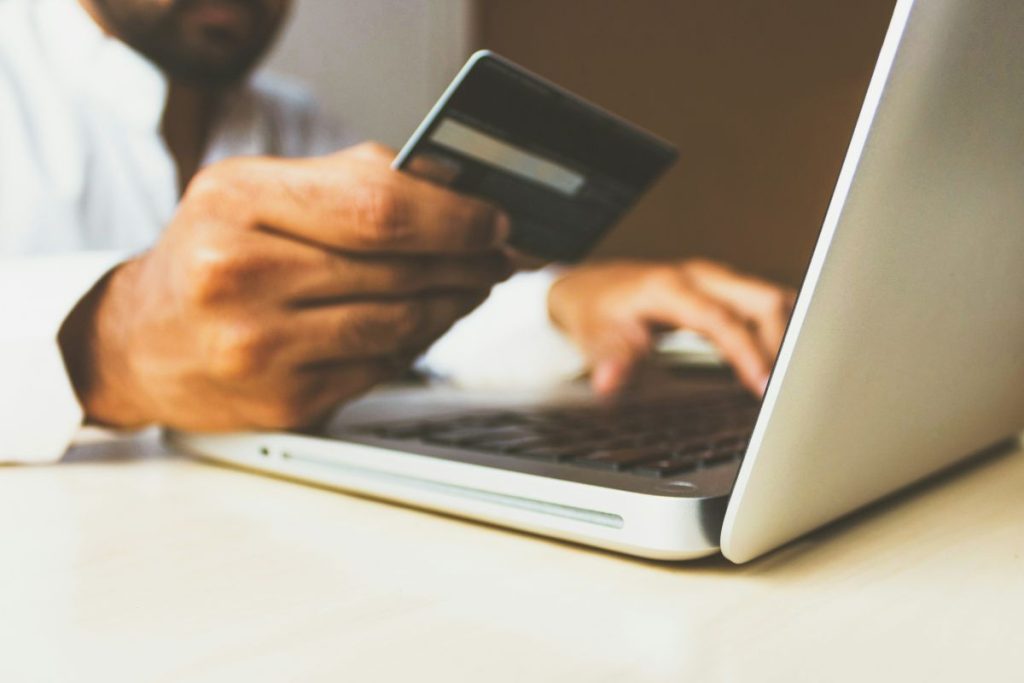

As Christmas and New Year’s approach, Greek consumers are urged to take extra precautions when shopping online. The festive season’s surge in purchases—both digital and in-store—creates fertile ground for scammers looking to exploit the increased activity and holiday cheer.
Visa and the National Cybersecurity Authority offer five practical tips to help shoppers navigate the season with confidence and security.
1. Verify the source
Fraudsters are adept at making scams look real: they build convincing fake websites, run sophisticated ads, and use AI to create messages that appear to come from celebrities or trusted contacts. Before you click, pause and ask yourself: “Can I trust what I’m seeing?” A moment of critical thinking can prevent costly mistakes.
2. Beware of bait
Urgency is a scammer’s best friend. Free products, massive discounts, or countdown-driven offers are tactics designed to make you act without thinking. Take your time. Check whether the deal is realistic, look up the company, read reviews, and visit its official site before sharing any personal information.
3. Check the sender—not just the profile
A message from a friend, influencer, or business asking for money or personal details may not be genuine. Contact them through another channel: call them, visit their official website, or find a verified phone number. Criminals often hijack legitimate accounts to appear credible.
4. Stay in touch with your card issuer
Enable two-factor authentication, keep your apps and devices updated, and review your privacy settings regularly. Report suspicious ads, posts, or profiles to the platform, and contact your card issuer immediately if you suspect fraudulent activity.
5. Pay safely—or not at all
Never share your bank or card details through social media. If someone asks for a bank transfer, it’s almost certainly a scam. Use secure payment methods that offer buyer protection. If none are available, skip the purchase.
Staying alert is the best gift you can give yourself this holiday season.