
 Μake us preferred on Google
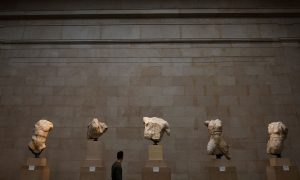
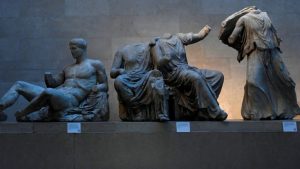
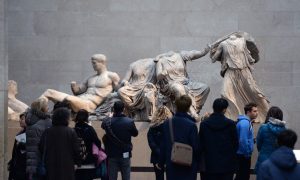
 The Acropolis Museum is considering how it could address the greatest challenge in its 16-year history: the potential return of the Parthenon Sculptures, if all outstanding issues are resolved and a formal repatriation agreement is reached with the British Museum.
Why the Frieze Is Central
At the heart of preparations is the Parthenon Frieze (a 160-meter marble relief depicting the Panathenaic procession during the ancient Athenian festival). Experts believe the frieze is the most likely set of sculptures to be repatriated—more so than the pediments (large triangular sculptures from the temple’s gables) or the metopes (rectangular relief panels)—for two main reasons.
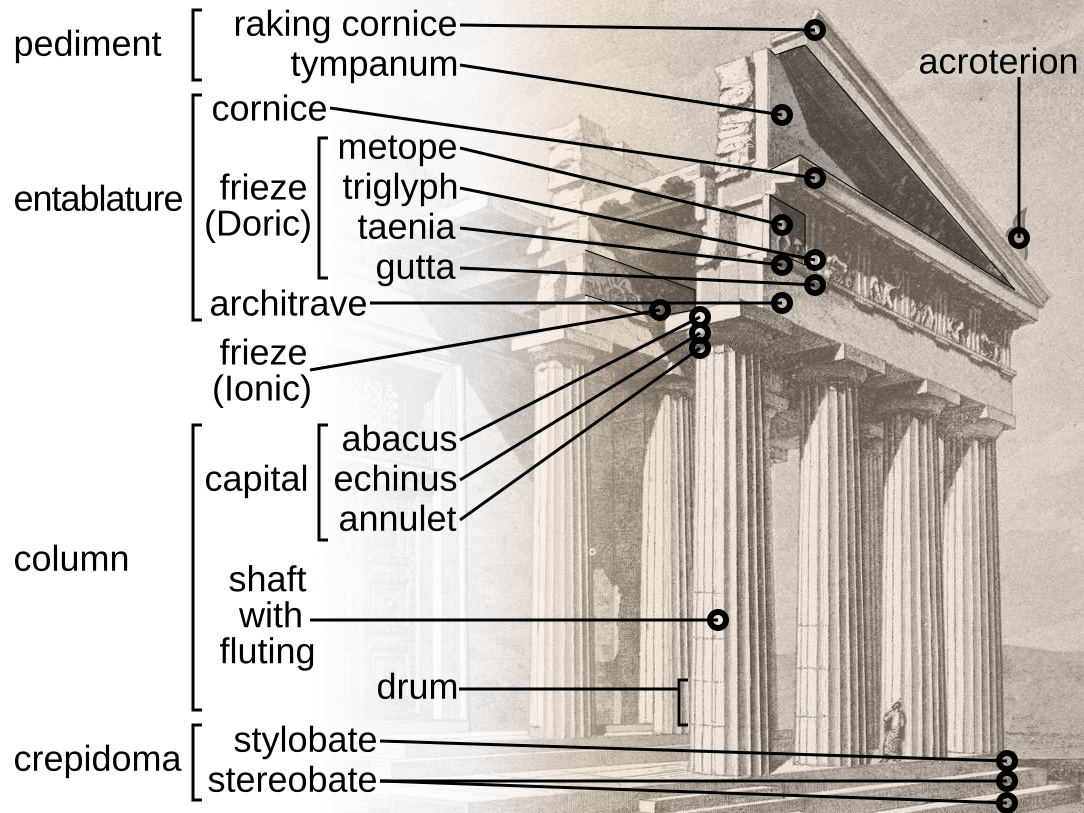
Annotated sectional view of the Parthenon with parts in the British Museum shaded. CC BY-SA 4.0
First, a large portion of the frieze is in relatively good condition, whereas the pediments have suffered major losses and the metopes survive mostly as fragments.
Second, if displayed in its entirety, the frieze would restore the artistic and architectural coherence of the Parthenon more clearly than the other groups, highlighting the cultural significance of its potential return.
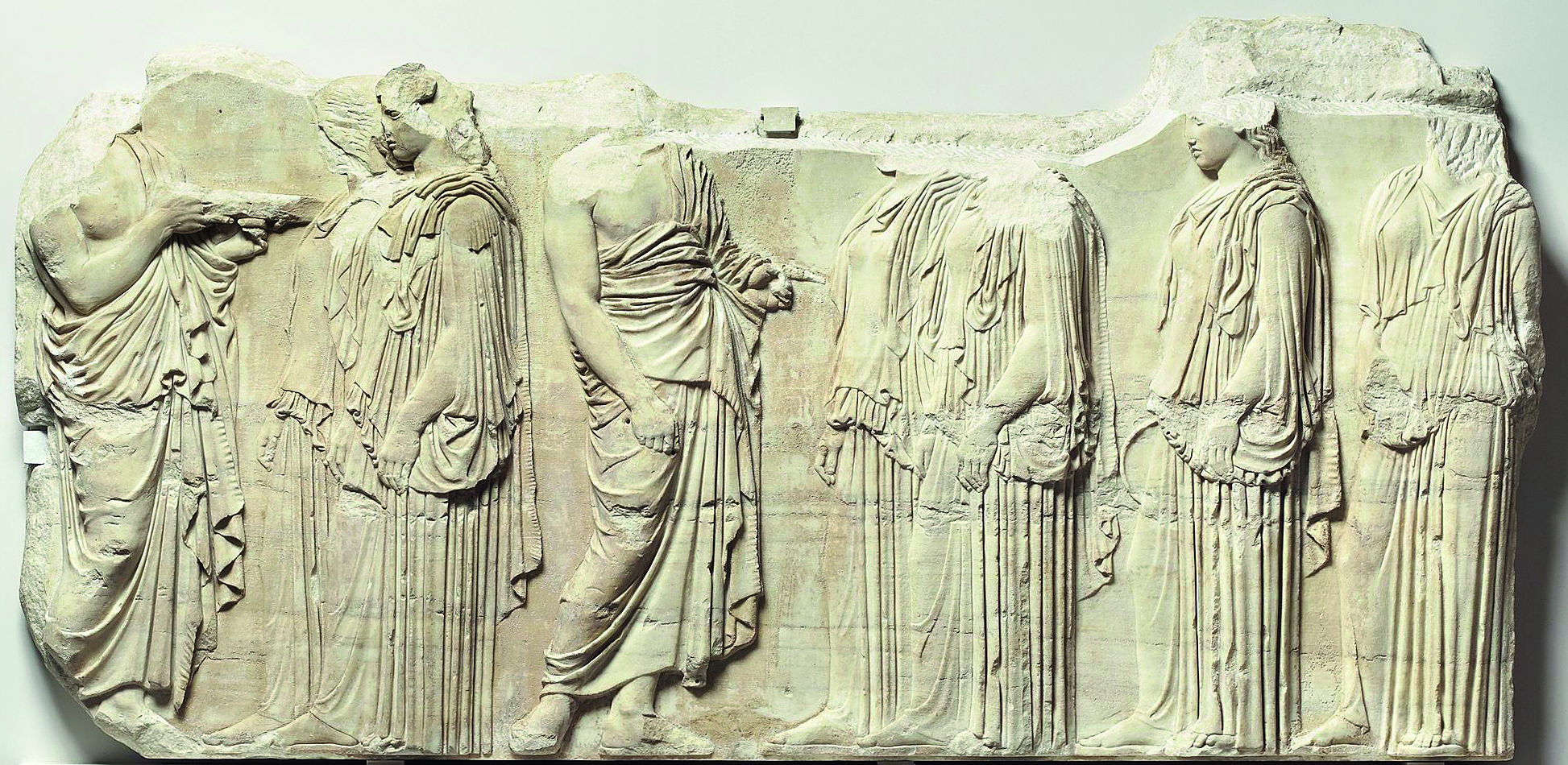
The Parthenon frieze is the low-relief Pentelic marble sculpture created to adorn the upper part of the Parthenon’s naos
Preparing the Museum
Although the Acropolis Museum was originally designed to display the displaced sculptures, technical adjustments would be needed to accommodate any returned sections of the frieze. This is particularly important because plaster casts currently fill the spaces where Lord Elgin’s removed fragments once stood.
Conservators and archaeologists are studying different solutions with one guiding principle in mind: full reversibility. Since no permanent agreement has been made, any installation must allow for the possibility that the sculptures might one day be sent back to London. Reversibility also ensures the safety of both the Athens-held pieces and any that might arrive from the British Museum.
The complete panels in London—mostly from the northern and eastern sides—would be easier to manage than the more fragmented depictions of humans and horses, which would require reassembly.
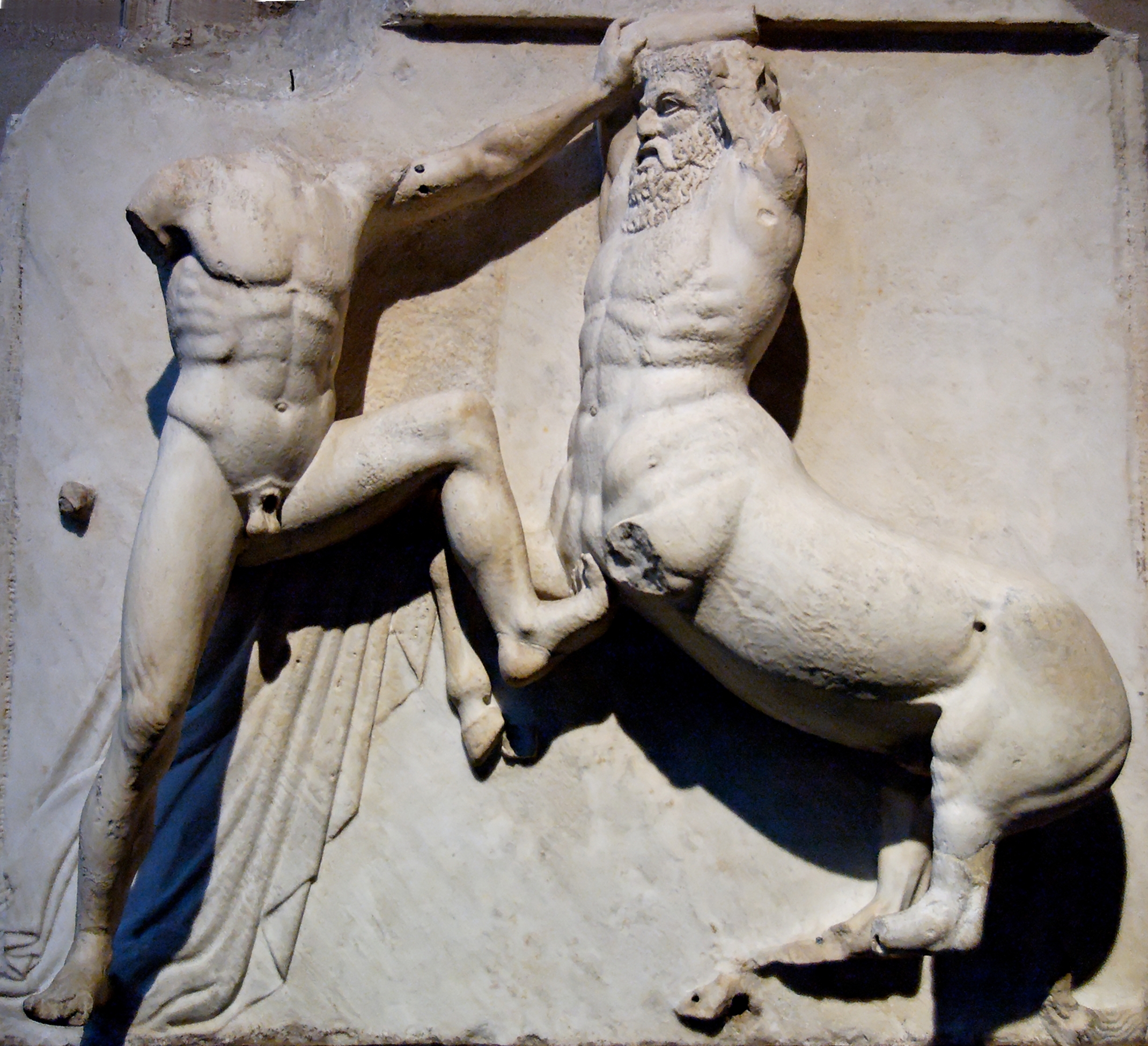
Lapith fighting a centaur. South Metope 26, Parthenon, ca. 447–433 BC. CC BY-SA 4.0
Two Exhibition Options
Two main approaches are under discussion for how a reunited frieze could be displayed in Athens.
Option 1: Physical Reassembly.
This method, already tested on a small scale, would involve removing the plaster casts and installing the original sculptures directly into place using titanium supports. The main advantage is a seamless view of the frieze’s narrative. However, this comes with risks: small cracks or detachments could occur during assembly, preservation differences between the London and Athens fragments could complicate the process, and disassembly would be difficult if the sculptures had to be returned.
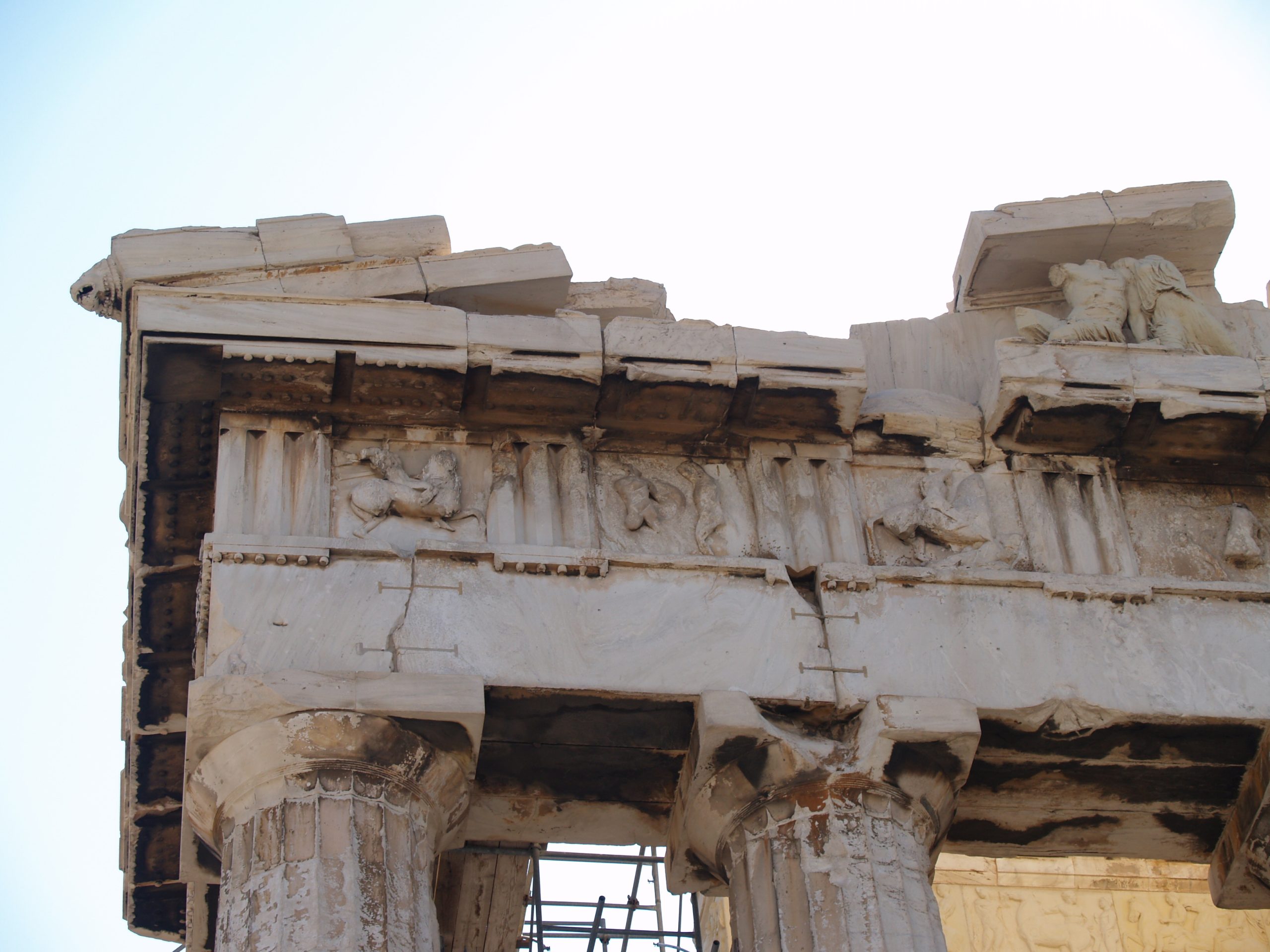
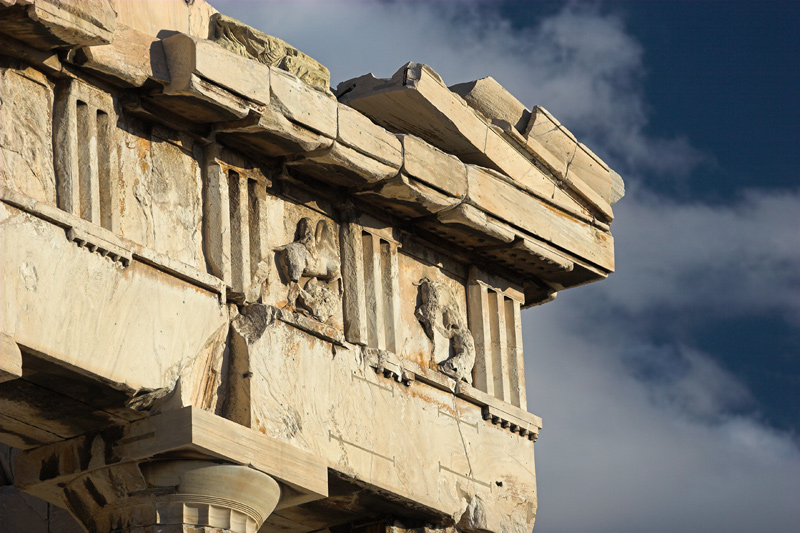
Ancient Freizes at NW corner of Parthenon. Metopes I to IV are visible, above on the pediment, Cecrops and Pandrose. CC BY 2.0
Option 2: Parallel Viewing.
Currently considered the preferred solution, this approach does not physically join the sculptures. Instead, fragments from Athens and any repatriated pieces from London would be displayed in direct alignment but slightly apart—using titanium supports or plexiglass mounts—to preserve the continuous “cinematic” flow of the procession.
This option is technically simpler, safer, and fully reversible. Visitors would still perceive the narrative’s unity, while virtual reality tools could enhance the experience by digitally reconstructing the complete frieze.
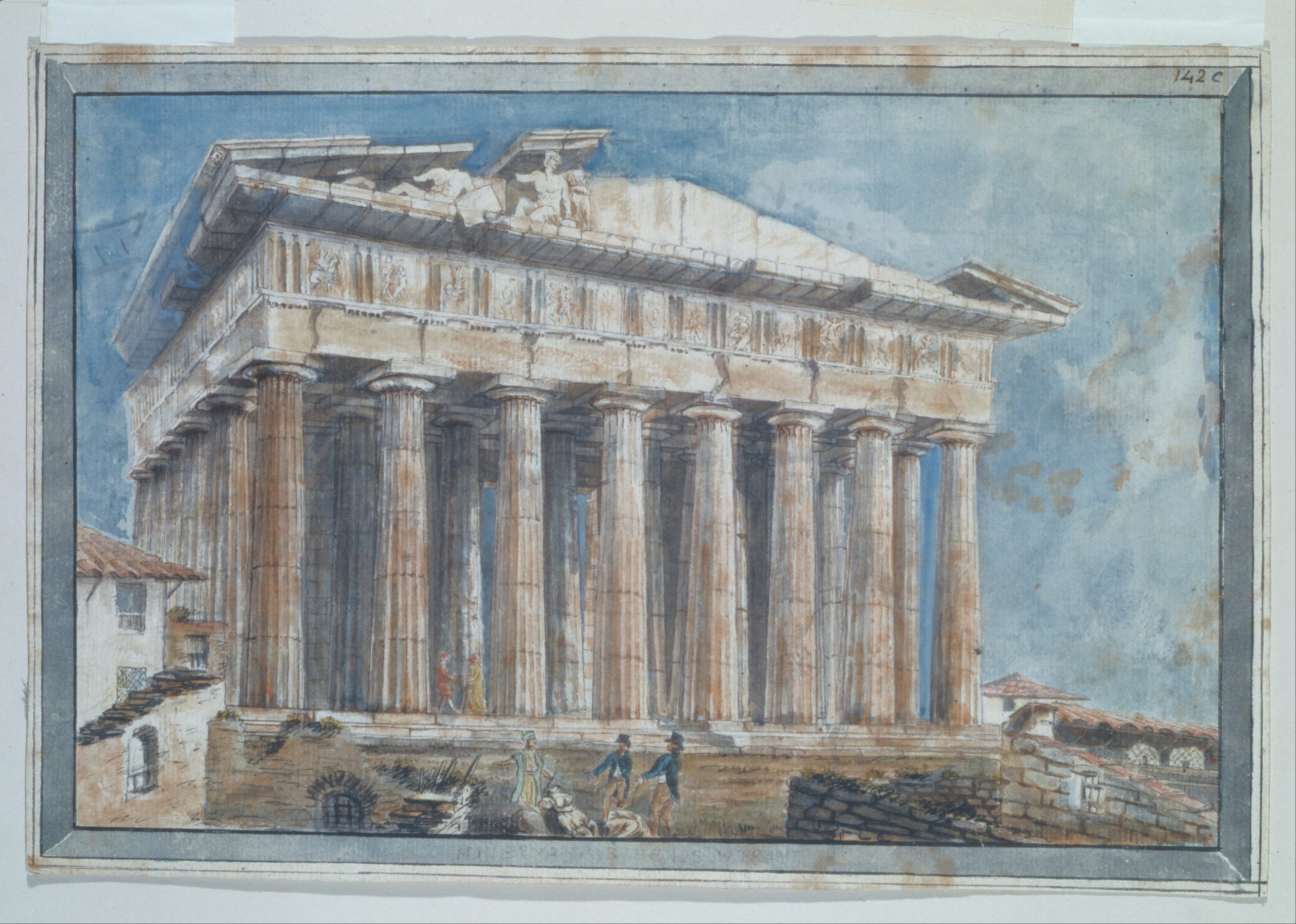
The west facade of the Parthenon, painted by William Gell with the metopes discernable under the pediment. Public domain
The Journey Back
Even if a deal were reached, the logistics of repatriation would be extremely complex. Disassembling the frieze at the British Museum could take several months, requiring detailed prior studies. Safe transportation of the large and delicate marble reliefs would demand a specialized plan, including custom-built crates adapted for travel by road, air, or sea.