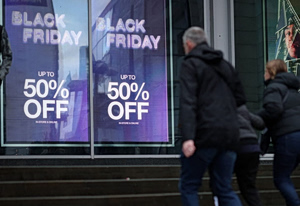
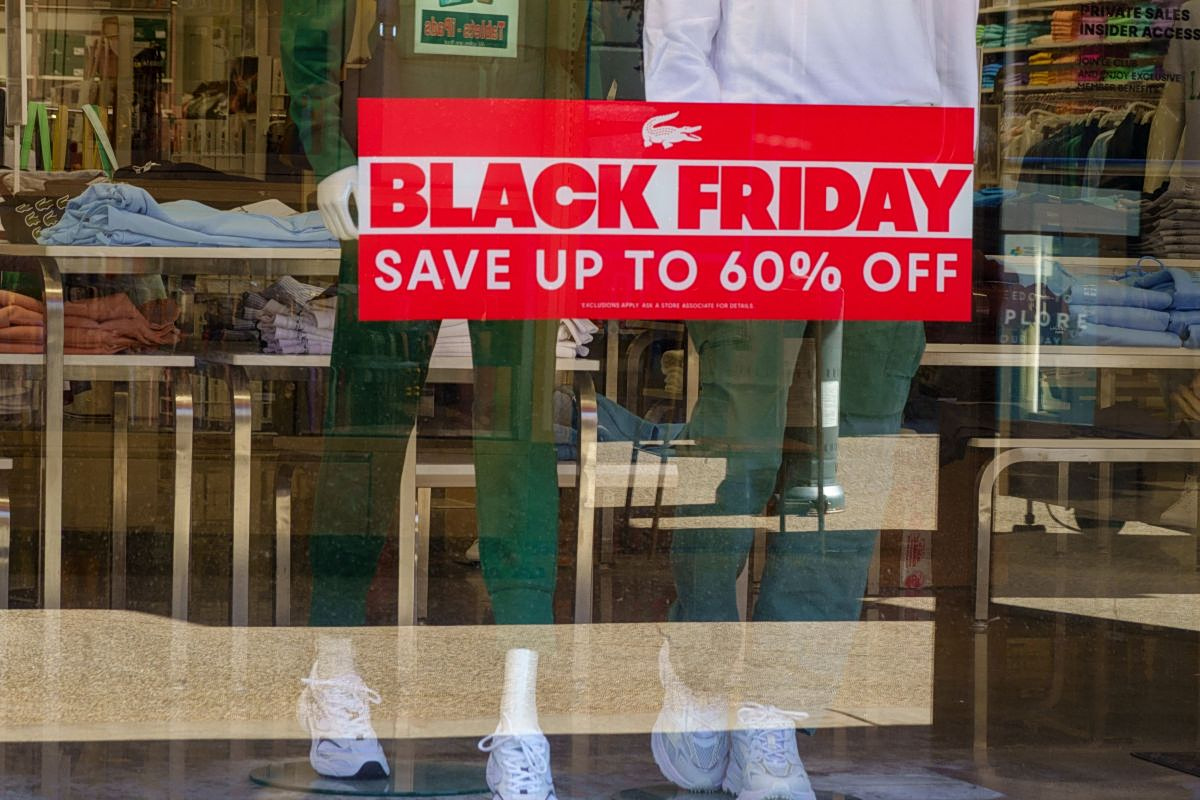
As Black Friday 2025 arrives on November 27, shoppers worldwide are preparing to hunt for steep discounts. But consumer advocates are urging buyers to proceed with caution, warning that eye-catching deals can easily mask misleading pricing or push consumers into overspending.
Greece’s Consumer Workers’ Union—an organization similar to consumer advocacy groups found in other countries—advises that amid rising living costs, disciplined planning and thorough research are more important than ever. The group highlights five key guidelines to help consumers avoid falling victim to deceptive “offers.”
Compare Prices and Verify Product Details
The union stresses that shoppers should always research the market before buying. That means checking both the original and discounted prices, evaluating product quality, and comparing prices online using the item’s model number or product code. This helps ensure that a so-called “deal” is genuinely the best available.
Set a Budget and Stick to a List
Impulse buying is one of the most common pitfalls of Black Friday. Experts recommend defining your household or personal budget in advance and creating a specific list of needed items. This approach helps avoid unnecessary purchases triggered by aggressive marketing.
Review Terms for Installment Purchases
For shoppers planning to buy on installment plans—especially using credit cards—understanding the terms of the transaction is essential. Consumers should verify whether interest will be applied, as even low-interest offers can significantly increase the final cost of an item over time.
Know How Price Reductions Must Be Displayed
A key reminder for shoppers in Greece—and useful for international readers as well—is that retailers must clearly display previous prices when advertising a discount. This rule applies to all promotional periods, including Black Friday.
A valid price-reduction announcement can take several forms:
- A percentage discount, such as “20% off”
- A discount amount, such as “Save $10”
- A new lower price shown next to the previous higher price, which may appear crossed out
- A promotional message like “Buy today without paying VAT,” indicating the discount equals the value of the tax
Labels such as “special offer,” “discount price,” or “Black Friday deal” are also considered price-reduction announcements and must comply with transparency rules regarding previous pricing.
The Bottom Line
While Black Friday can indeed offer real savings, experts emphasize that caution, planning and price verification are the best protections against misleading promotions. With a clear budget and a bit of research, shoppers can make the most of the sales without falling prey to deceptive discounts or unnecessary expenses.