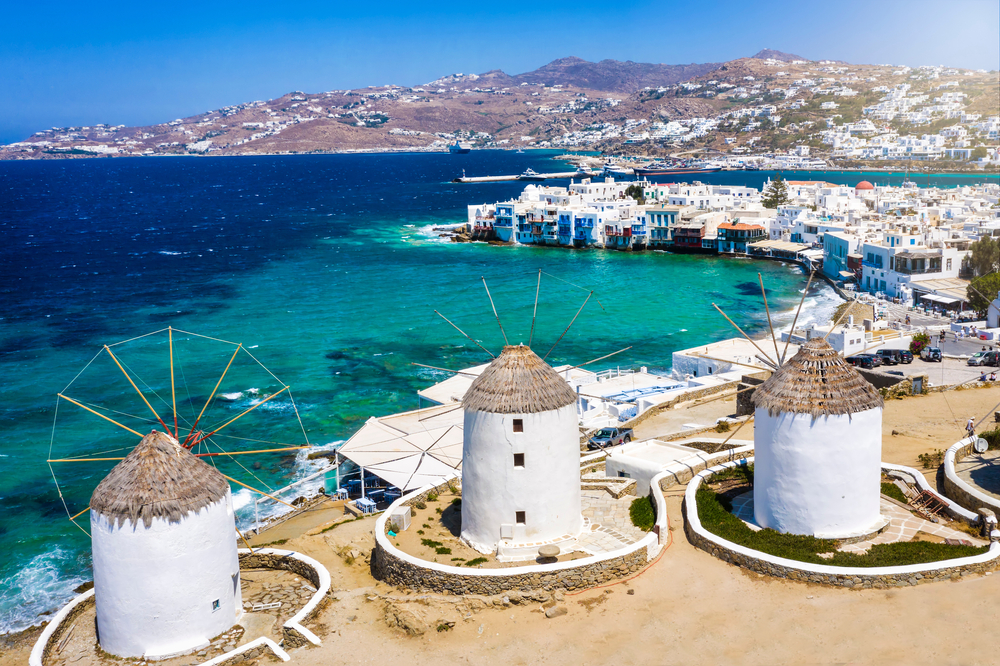
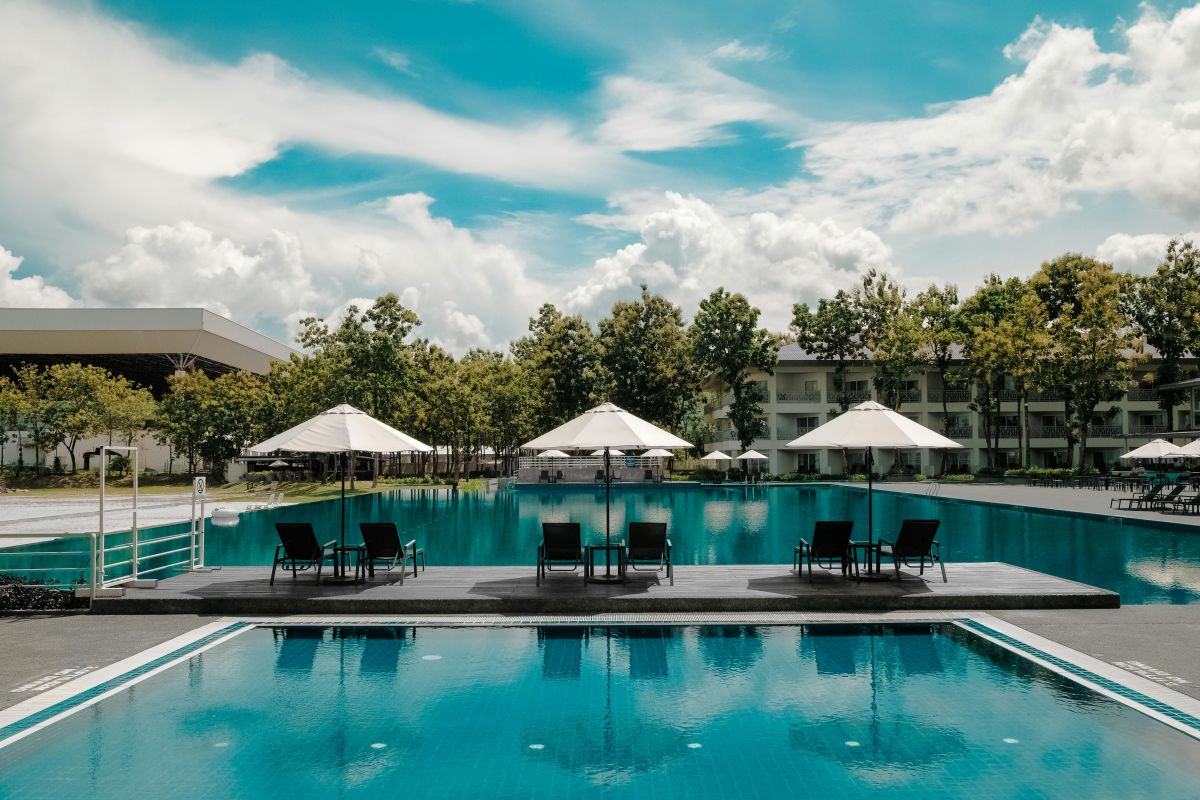
Greece’s hospitality sector is seeing a clear shift toward luxury, as five-star hotels increasingly draw both investors and high-spending travelers. According to recent data from the Hellenic Chamber of Hotels, the number of five-star hotels nationwide rose to 835 in 2024, up 37% from 610 in 2019, while luxury hotel rooms and beds increased by 22% and 23% respectively over the same period.
High Returns Fuel Investment
Luxury hotels are considered stable investments with strong long-term profitability, attracting both Greek and international investors. Experts say rising demand for upscale experiences—from private pools to gourmet dining and personalized service—drives this growth. The market’s expansion creates favorable conditions for investments in high-end hospitality across Greece.
Regional Leaders in Luxury
The Southern Aegean region leads in luxury accommodations, adding 91 new five-star hotels since 2019 for a total of 311, marking a 41% increase. Crete follows with 177 luxury hotels, up 38%, while the Ionian Islands and Central Macedonia recorded increases of 37% and 25% respectively.
Athens’ hotel scene has also seen a 60% boost in high-end properties, rising to 61 five-star hotels, largely thanks to the arrival of foreign investors and international chains revitalizing the city’s hospitality infrastructure.
Smaller Markets and Regional Changes
Some regions remain limited in luxury offerings: Western Macedonia hosts only four five-star hotels, and Central Greece experienced a slight decline to seven. Meanwhile, Western Greece saw a doubling of luxury hotels, though absolute numbers remain modest at eight properties. Other regions such as Epirus and the Peloponnese also reported increases, reflecting a gradual spread of luxury accommodations beyond traditional tourist hubs.
Decline in Lower-Category Hotels
While high-end hotels thrive, one- and two-star properties are shrinking. Two-star hotels decreased by 10% to 3,251 units, and one-star hotels fell by 12% to 1,147 units. Mid-range accommodations saw moderate growth, with three-star hotels up 9% and four-star hotels up 14% compared to pre-pandemic levels.
The Rise of Luxury Tourism
Overall, the trend highlights a shift in Greece’s tourism and investment landscape, where luxury hotels serve as magnets for wealthy visitors and institutional investors, leaving budget hotels in a steady decline. The data reflects not just a rebound from the pandemic but a strategic focus on premium experiences that align with the country’s iconic destinations and increasing international appeal.