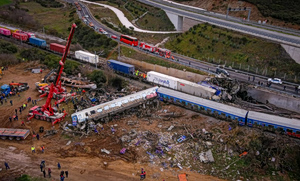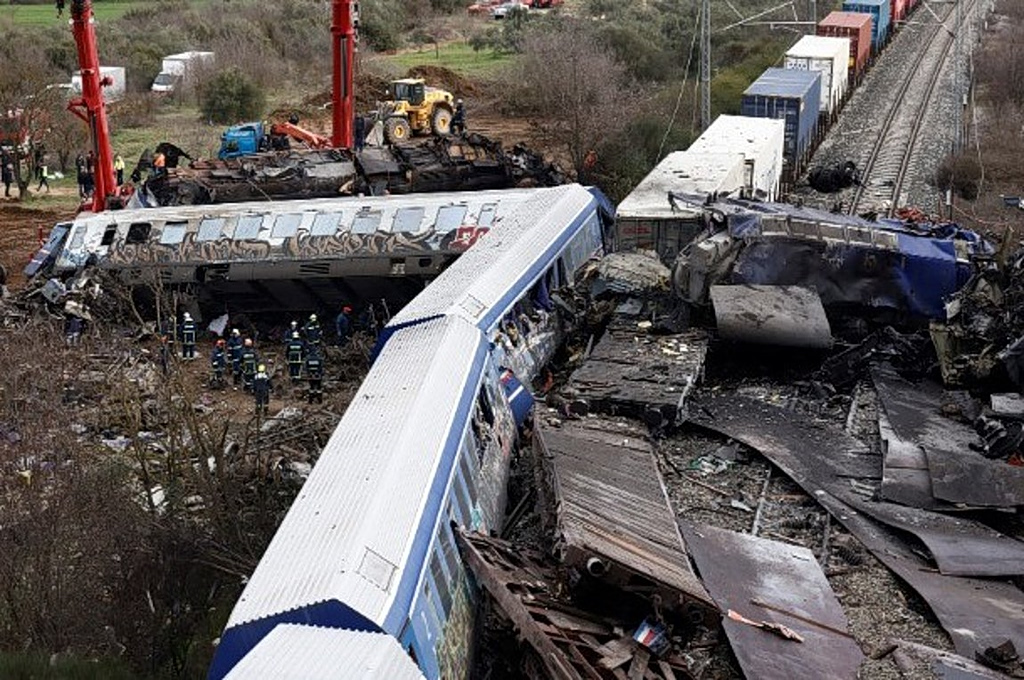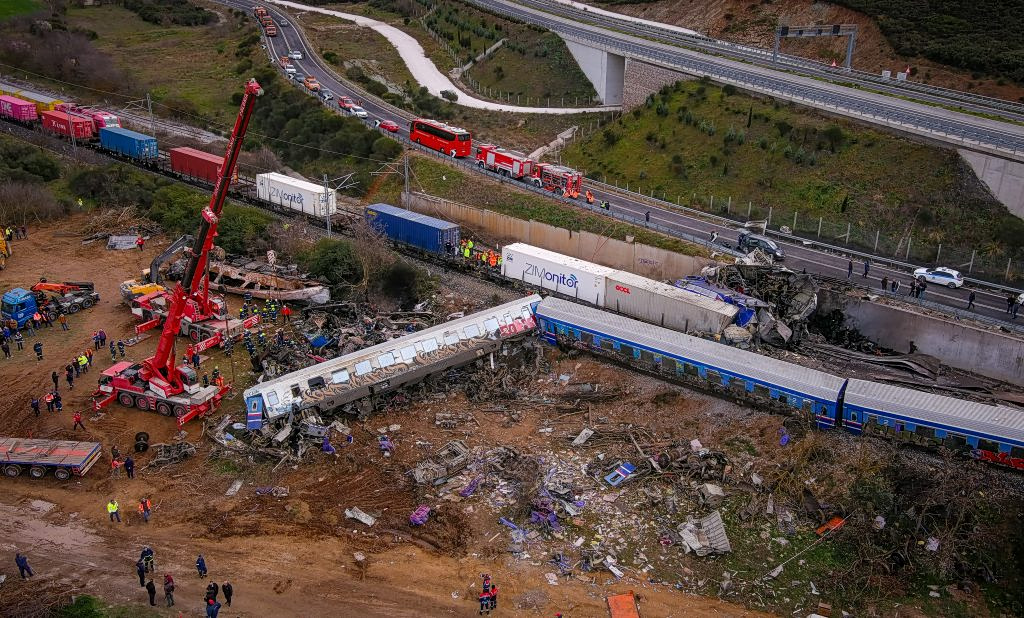
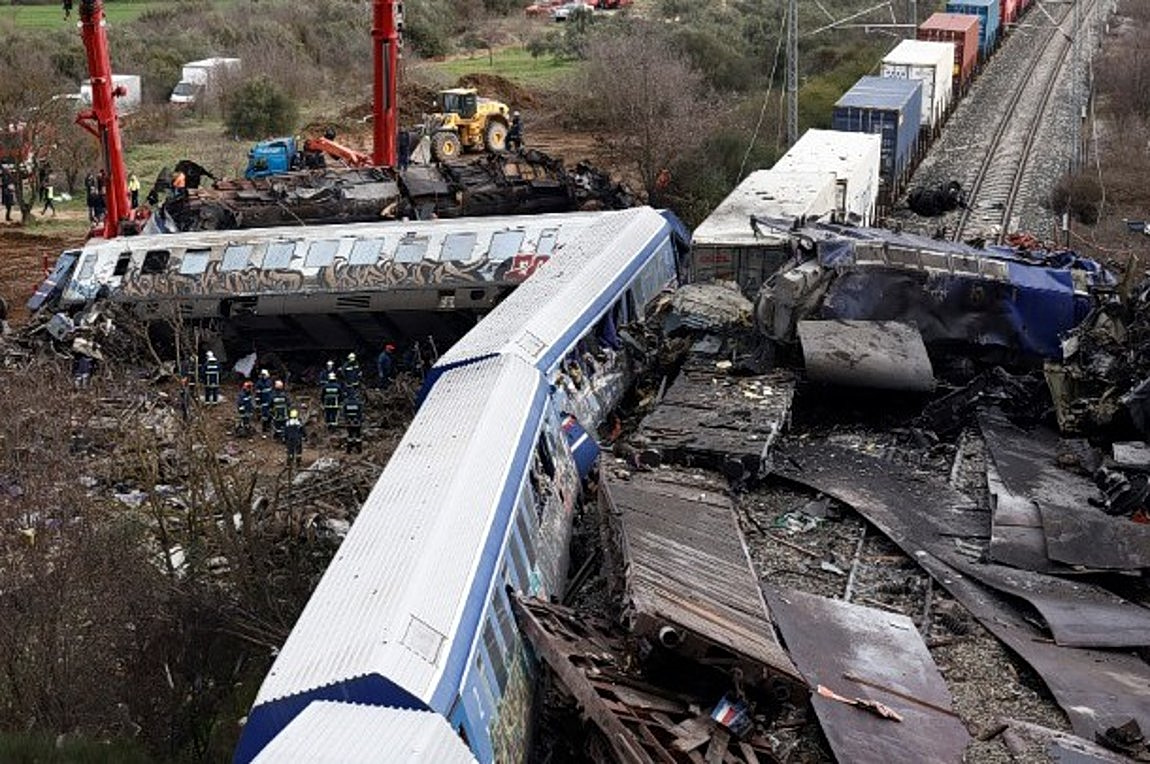
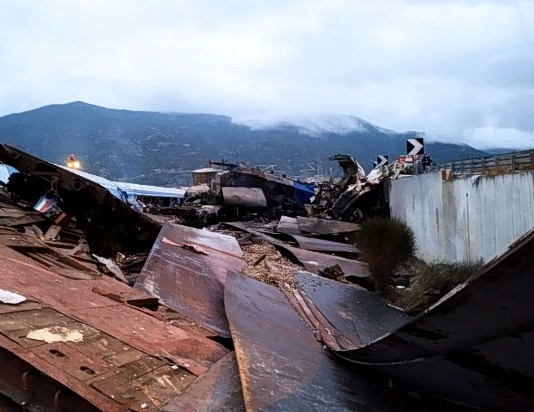
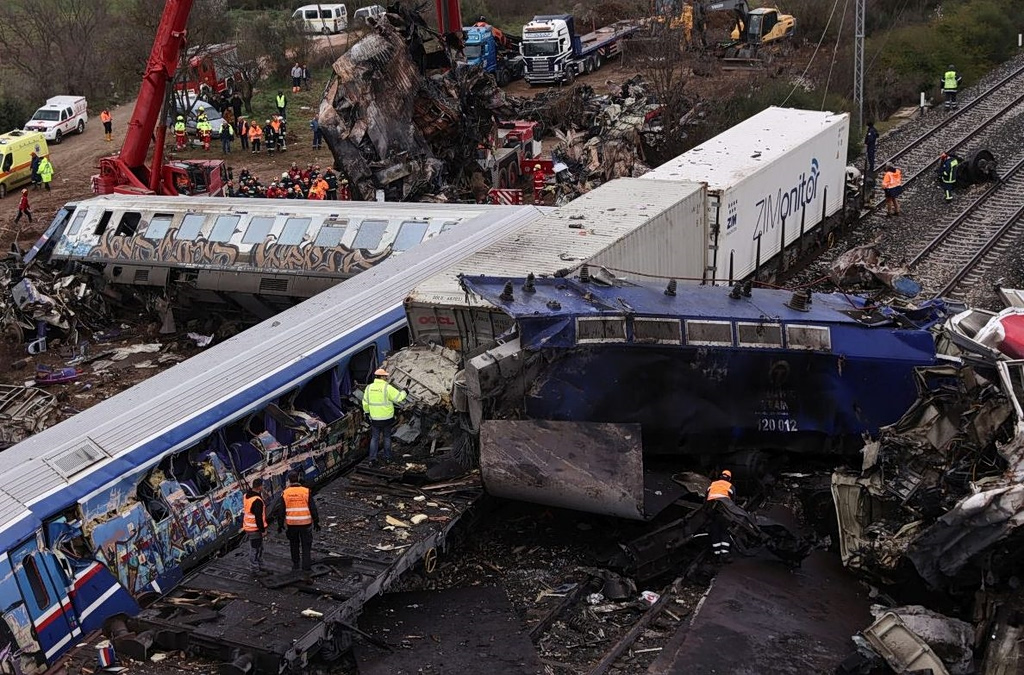
The clock showed 42 minutes before midnight on the fateful evening of Feb. 28, 2023, as a passenger train sped north through the darkness in north-central Greece, just south before the long Tempi rail tunnel. What followed was a devasting collision with another southbound freight train; a fireball, flames, choking and noxious smoke and mangled wagons and locomotives.
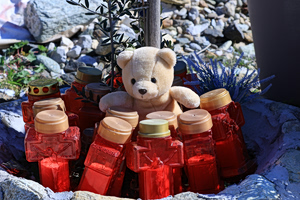
The collision left 57 people dead.
For others, the minutes that followed felt like an eternity, with a thin line separating life from death.
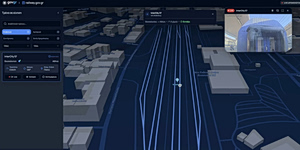
A new Greek-language web documentary by the Athens daily Ta Nea sheds light on Greece’s worst rail disaster, now known as the Tempi tragedy, detailing stories of the people who survived, and the “open wound” that, three years later, remains alive.
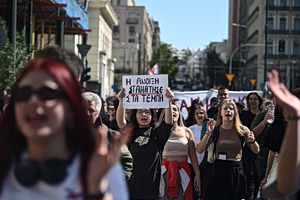
The documentary coincides with the third anniversary of the rail disaster on Saturday. Protests and mobilizations are planned in Athens and other cities around the country.
Angeliki, 22 at the time, a student at Aristotle University of Thessaloniki and a passenger on the ill-fated passenger train, along with her father, Dimitris, describes the 10 dramatic minutes that forever changed her life.
“I had gone down to Athens to see my parents and took the train to return to Thessaloniki, where I was studying. I was in the fifth carriage when the collision happened,” Angeliki says. “We had made a very long stop shortly before the crash, which lasted about an hour, because we were told there was another train ahead.
“In general, the train was very delayed, and I had even called my mother to tell her. A little later, I closed my eyes to go to sleep. I was thinking of going to get some water from the snack bar, but I thought, ‘Who’s getting up now? We’ll reach Thessaloniki eventually’.”
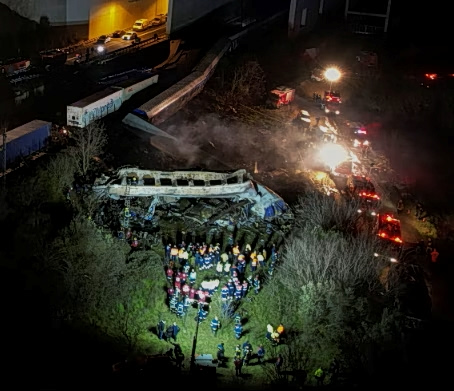
Panic after the collision
What followed was chaos:
“Just then the collision occurred. Like the other people in the carriage, I fell to the floor. I remember there was a woman in front of me who had boarded in Larissa, and she fell too.
“I was on the left side of the carriage, which had tilted, and I got up to go toward the window because everyone was shouting that there was a fire…it was the only thing visible because the lights had gone out.
“There was panic — people were shouting, a girl fell down. Another grabbed me by the shoulders and shouted, ‘Do you realize how dangerous this is?’ At that moment, because I couldn’t think clearly, I called my mother.”
Angeliki’s call to her parents “felt like a bomb,” as her father describes.
“We were at home watching TV when my wife’s phone rang — it was our daughter. When she called, she was still inside the carriage. My wife panicked and literally threw the phone at me, saying something terrible was happening.
“Our child was telling us that something had happened, that there were fires, and in the background, we could hear voices from other young people in the carriage trying to get out and breaking the door. Then our daughter said, ‘I’m hanging up, we’re trying to get out, I’ll call you shortly’.”
‘The Door Won’t Open’
For Angeliki, the minutes after the crash felt endless.
“I called my mom and told her something had happened. ‘We’re trapped inside the carriage. Call the fire department, the police, someone to come get us out.’ I also told her, ‘There’s a fire outside.’
“Because our carriage had tilted, I thought we had derailed. I just couldn’t explain why. A young man was trying to open the door. It didn’t open as it normally does in an emergency.
“Then he took one of those small emergency hammers and broke a window — but it was on the side where the fire was, so smoke started coming in. Many people were trying to open the door so we could get out. I can’t remember how much time passed.”
Her memories remain vivid — and likely always will.
“At some point they managed to open the door, and we were able to get out in time. I hurt my leg when I fell during the collision, but nothing serious. We headed toward a small tunnel-like bridge and sat there. I turned back and saw there was a lot of fire — much more than what I had seen from inside.
I called my parents again because I was afraid the train would explode. My dad, who also couldn’t understand exactly what had happened, told me it couldn’t explode, just to calm me down. Then we went out onto the road. Everyone was confused. The police arrived quickly with a patrol car, but they hadn’t understood what had happened either. I couldn’t even comprehend what had taken place.”
From that first phone call onward, Dimitris and his wife were overwhelmed with panic and anxiety.
“During those dramatic minutes when we were waiting for Angeliki to call us back, we were terrified. Eventually we called her ourselves. She told us she had gotten out of the carriage. I think at that moment no one could grasp the magnitude of the tragedy.”
Waiting for Justice
Since then, the “open wound” remains for Angeliki.
“My parents found me in Thessaloniki the next day. The period that followed was difficult. I stopped going to the university, and my parents took turns coming to support me.
“I began psychotherapy and medication and spoke only with people only very close to me. Even now, there are issues that still trouble me. I’m afraid of fire, even just the smell of it, and I developed agoraphobia, which made it difficult even to attend protests about Tempi.”
Angeliki has filed a civil claim in support of the prosecution in a criminal court, but as she says, she does not have much confidence in the justice system.
“Tempi exposes all the contradictions of the state and all its deficiencies. The real opposition is not what is presented in parliament, and solutions cannot come through simply changing faces and parties.
“To give you an example, what SYRIZA says about Tempi is what New Democracy said about Mati (the deadly wildfire in July 2018). You can’t expect saviors, no matter what mask they appear in. The positive aspect of this case is that we see there is space for real opposition and change,” she concludes.