
Two dozen humanitarian workers who took part in migrant search-and-rescue missions on the Greek island of Lesvos between 2016 and 2021 have gone on trial, facing charges that could bring sentences of up to 20 years. The case unfolds amid growing concern from human rights groups over a wider European clampdown on assistance to migrants and asylum seekers.
Greek authorities say the charges relate to border security and include alleged participation in a criminal organisation, facilitating the entry of third-country nationals, and money laundering. Rights organisations have called the accusations “baseless,” arguing that the evidence is weak and the prosecution politically motivated.
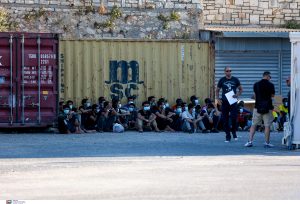
Lesvos, once a popular tourist destination, became Europe’s main gateway for migrants arriving by sea in 2015, the peak of the continent’s migration crisis. Since then, Greek authorities have faced repeated accusations of breaching international law in their response to arrivals. Earlier this year, the European Court of Human Rights ruled that Greece had “systemically” carried out pushbacks of would-be asylum seekers.
Among the accused is Seán Binder, a German-Irish former volunteer with the now-defunct NGO Emergency Rescue Centre International. Binder described long hours spent watching for boats in distress and coordinating with Greek port authorities. He was arrested in 2018 alongside fellow volunteer Sarah Mardini, whose story inspired the Netflix film The Swimmers.
Binder said the years-long legal ordeal has taken a toll. “If we really are these heinous criminals, then wouldn’t we be in prison already?” he said, adding that he has prepared himself for the possibility of incarceration. “I am confident what I did was right.”
Although some earlier misdemeanour charges were dropped or dismissed in 2023 and 2024, the more serious accusations now before the court remain unresolved.
Since the arrests, no NGOs continue to conduct search-and-rescue operations or provide emergency response during landings on Lesvos, despite more than 3,500 arrivals so far this year, according to the UN refugee agency. Journalists report that activity on the island’s shores has largely disappeared from public view.
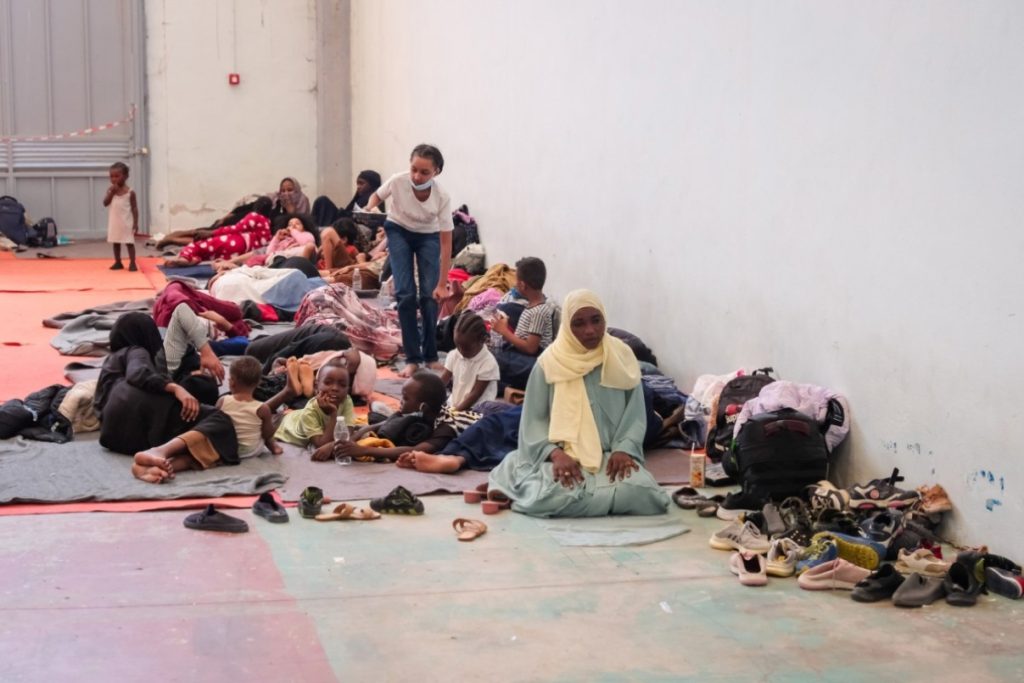
Humanitarian organisations warn the trial is part of a broader pattern. Amnesty International Belgium called it “a trend sweeping across Europe that’s criminalising solidarity,” accusing governments of punishing those who step in to fill life-saving gaps. Similar prosecutions have appeared across the continent, with Brussels-based NGO PICUM estimating that 142 people faced comparable proceedings in 2024.
As the trial begins, it unfolds against a shifting European political landscape in which leaders increasingly favour tougher migration controls and seek new methods to deter arrivals.